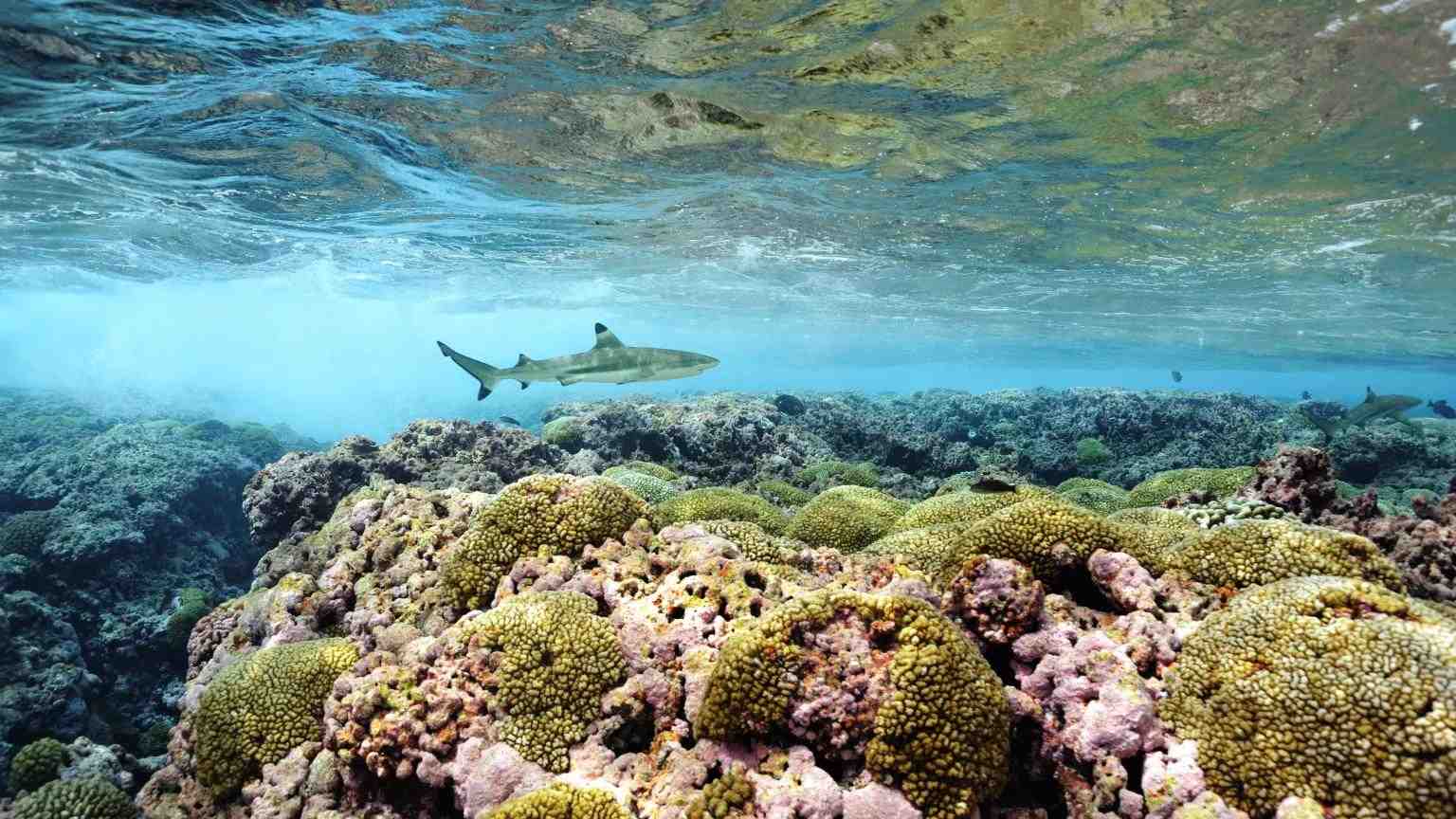




WORLD - Fish, shellfish, and aquatic plants are becoming an increasingly central part of global diets, with record-high trade in aquatic animal products reaching $184 billion, now rivaling the global land-based meat trade in value.
At the same time, rising demand is placing growing pressure on marine and freshwater ecosystems. Global production of aquatic foods reached 235 million metric tons in 2024, according to the Food and Agriculture Organization (FAO), which warns that the sector must become more sustainable, equitable, and resilient to continue supporting food security and livelihoods.
The findings were presented at the 11th Our Ocean Conference in Mombasa, Kenya, where around 5,000 policymakers, scientists, investors, and environmental groups gathered to discuss ocean protection, climate change, biodiversity loss, and global food systems.
Climate Pressures and Aquaculture Growth in MENA
In the Middle East and North Africa (MENA), experts say aquatic food systems are facing rising climate and environmental stress even as parts of the region expand aquaculture production.
FAO warns that coastal states such as Egypt, Morocco, Tunisia, and Oman are increasingly exposed to warming seas, salinity changes, and declining fish stocks in both the Mediterranean and Red Sea.
These pressures are directly affecting small-scale fishing communities that remain essential to food security and local livelihoods.
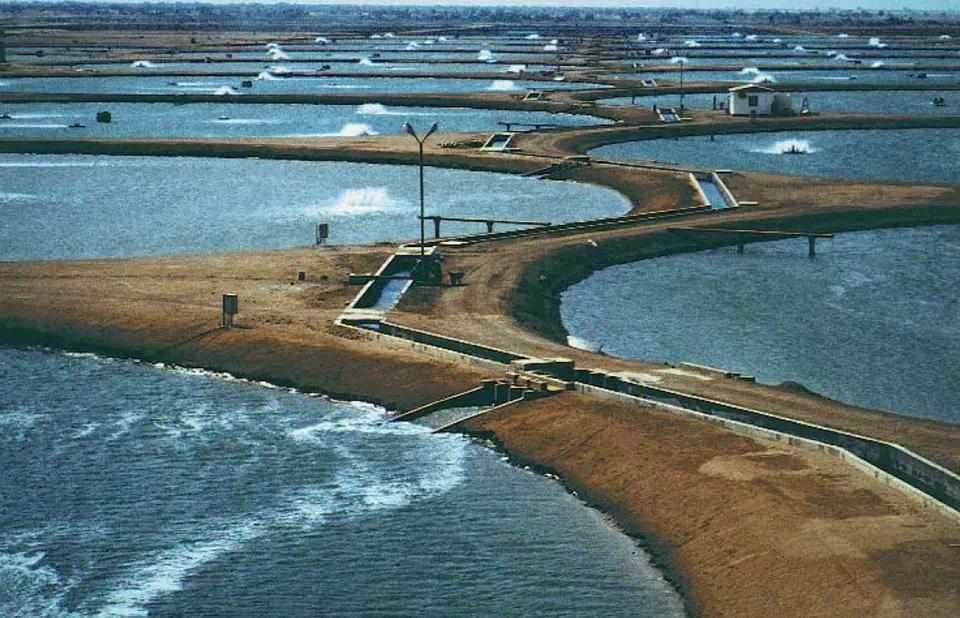
At the same time, aquaculture is growing, particularly in Egypt, which has become one of the world’s leading producers of farmed fish.
However, analysts warn that fragmented governance, limited financing, and weak regional coordination continue to slow sector development.
Aquaculture Drives Global Growth, but Inequality Persists
FAO data show that global fisheries and aquaculture production have risen by 5.2% since 2022, with aquaculture now accounting for 60% of output. Wild catch fisheries, however, have plateaued. The sector supports around 600 million jobs globally and provides at least one-fifth of animal protein to 3.1 billion people.
“In much of the world, fish is not a luxury,” said Essam Yassin Mohammed of WorldFish. “It is essential nutrition, income, culture, and identity.”
Despite overall growth, gains remain uneven. Bangladesh, China, India, Indonesia, and Vietnam account for 82% of aquaculture expansion, while Africa represents just 2%, North America 1%, and Oceania 0.4%.
While aquaculture expands, sustainably managed marine catches have declined by 2%, driven by climate change, pollution, and illegal fishing.
Progress on ocean protection has also been slow. Marine protected areas increased by just 1.4% since 2024, leaving a significant gap to meet the global “30x30” target to protect 30% of oceans by 2030 under the Kunming-Montreal Biodiversity Framework.