



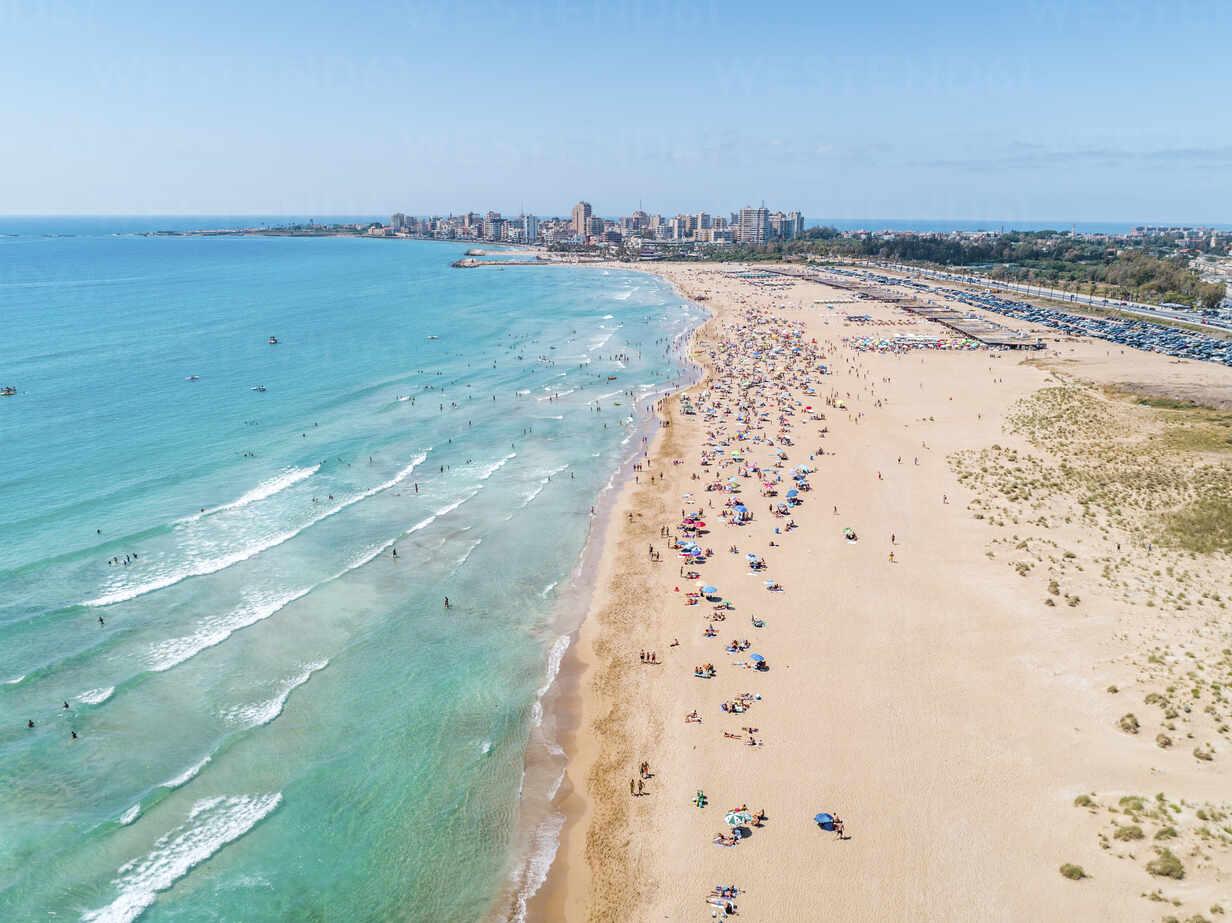
BEIRUT – The National Council for Scientific Research in Lebanon (CNRS) presented the results of its 2026 study on the environmental reality of the Lebanese coast, highlighting growing pressures on beaches, water quality, fish populations, and marine biodiversity amid war and economic hardship.
The findings were announced during a conference held today, Wednesday, June 1st, at the National Council for Scientific Research, with officials from the Ministries of Tourism, Environment, and Public Works and Transport, as well as researchers from the National Center for Marine Sciences.
CNRS Secretary-General Dr. Chadi Abdallah said the report comes at an exceptional moment for Lebanon, as the country continues to face the consequences of war while coastal ecosystems also come under pressure.
“This report comes at an exceptional time. While the country is going through war, our beaches have also paid the price, with impacts on fish populations, water quality, and marine biodiversity,” Abdallah said.
He added that CNRS continued its monitoring efforts despite difficult conditions, stressing that the achievement reflects the importance of scientific evidence during times of crisis.
Abdallah said the next phase will include the release of additional scientific reports and water studies aimed at supporting better management and protection of Lebanon’s beaches.
Minister of Tourism Laura Lahoud stressed that coastal pollution does not always begin at the beach, but often starts inland through untreated sewage, waste, and industrial, agricultural, and urban activities.
She said protecting beaches requires the cooperation of all stakeholders, noting that Lebanon is still home to many clean and beautiful beaches that should be preserved.
Minister Lahoud also linked beach protection to social access, saying that in Lebanon’s difficult economic circumstances, the beach remains one of the few places people can enjoy at minimal cost.
“Access to the beach is a social right, and we must work together to protect it for everyone,” she said.
Minister of Public Works and Transport Fayez Rasmani said protecting beaches is both an environmental and developmental responsibility.
He noted that the study provides science-based evidence that can guide effective management and support informed policymaking, adding that beach protection must be treated as a shared responsibility across public institutions, municipalities, researchers, and communities.
Minister of Environment Tamara El Zein called for greater reliance on scientific studies and indicators in environmental decision-making, rather than generalised conclusions or non-expert opinions.
She warned that crowdsourced information can sometimes be misleading if not supported by scientific indicators, stressing the importance of environmental awareness in helping the public distinguish reliable information from inaccurate claims.
Minister El Zein also highlighted Lebanon’s engagement in international marine protection efforts, including its participation in conventions and agreements related to marine protection, and acknowledged the work of CNRS teams who continued their scientific efforts during the war.
“Mitigation is essential to prevent and avoid environmental problems,” she said, adding that the study will serve as an important scientific reference for future coastal management.
During the conference, Dr. Miled Fakhry presented the study’s methodology and key results, outlining the monitoring approach used to assess the environmental condition of the Lebanese coast.
The speakers agreed that Lebanon’s beaches cannot be protected through isolated actions alone.
They said the findings point to the need for stronger wastewater management, better control of pollution sources, continued scientific monitoring, and coordinated policies that treat the coast as both an environmental resource and a public space.