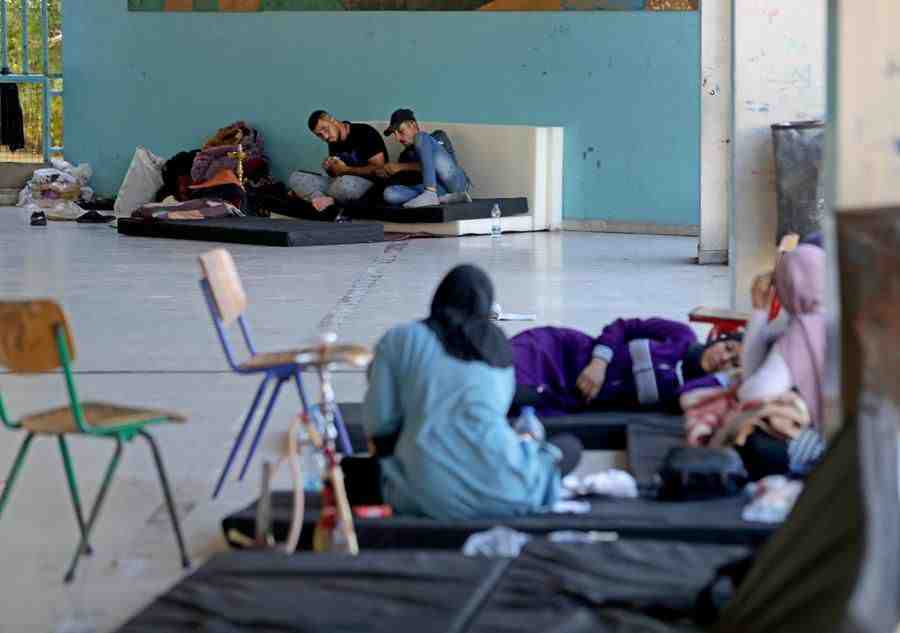




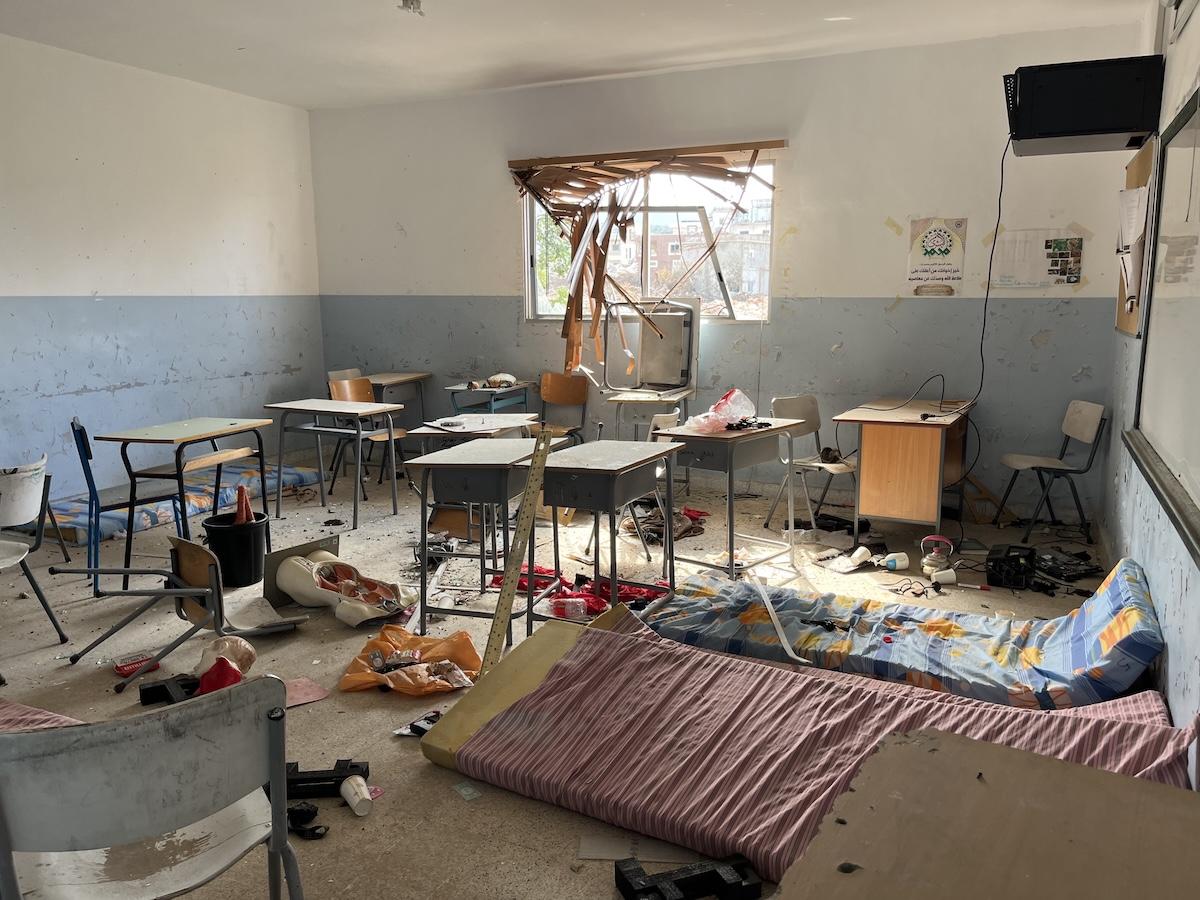
LEBANON - At least 100,000 children in Lebanon could be left without access to classrooms when the next academic year begins, unless urgent rehabilitation work is completed before September, according to new findings from the Ministry of Education and Higher Education.
A comprehensive nationwide assessment conducted in June has documented extensive damage to the country’s education infrastructure following the recent conflict.
The report found that 340 public, private, and Technical and Vocational Education and Training (TVET) schools have been damaged, including 17 facilities that have been destroyed.
The assessment, carried out with technical support from UNICEF through the Transition and Resilience Education Fund (TREF), is backed by the European Union, Germany, France, and Switzerland. It highlights widespread structural damage across multiple governorates, including Nabatiyeh, South Lebanon, Bekaa, Baalbek-Hermel, Beirut, and Mount Lebanon.
While some schools sustained minor damage, many require extensive rehabilitation, and others will need full reconstruction before they can safely reopen.
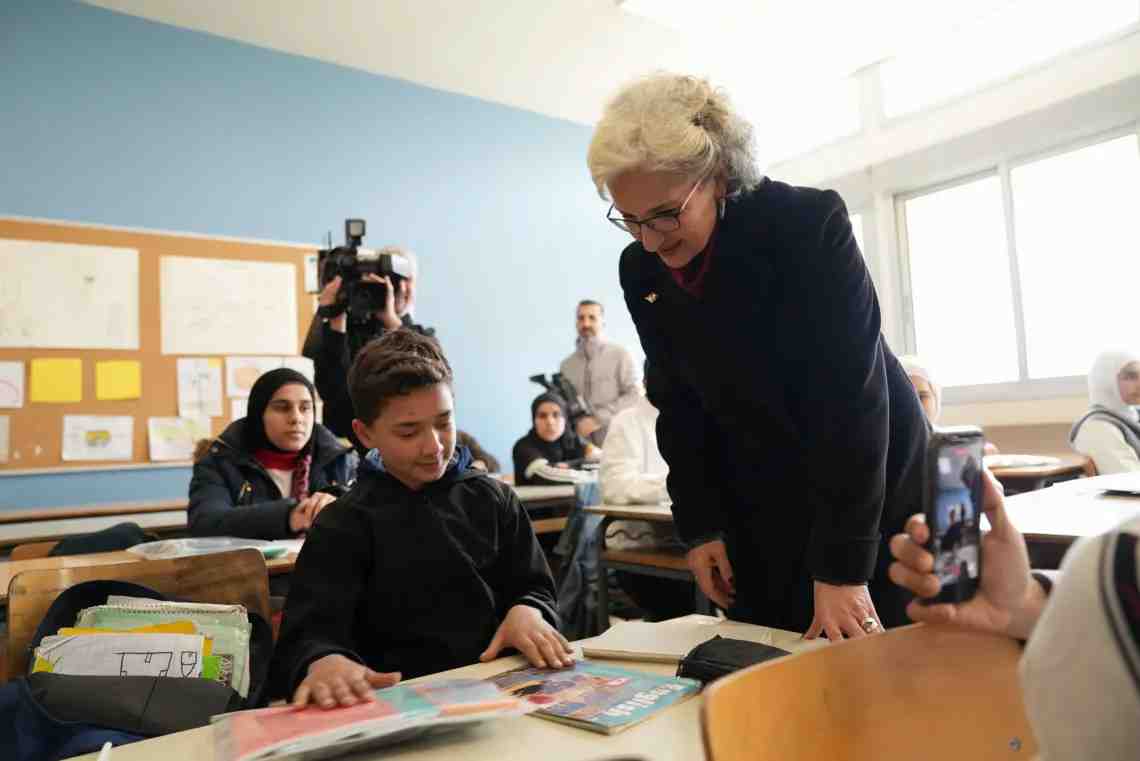
UNICEF Representative in Lebanon Marcoluigi Corsi said schools represent more than physical infrastructure, stressing their role as safe spaces for learning and recovery during crises.
He noted that the assessment provides the first detailed overview of the scale of destruction facing the education sector and warned that urgent investment is needed to prevent further disruption to children’s schooling.
The findings come after years of repeated interruptions to education in Lebanon, driven by overlapping economic, social, and security crises.
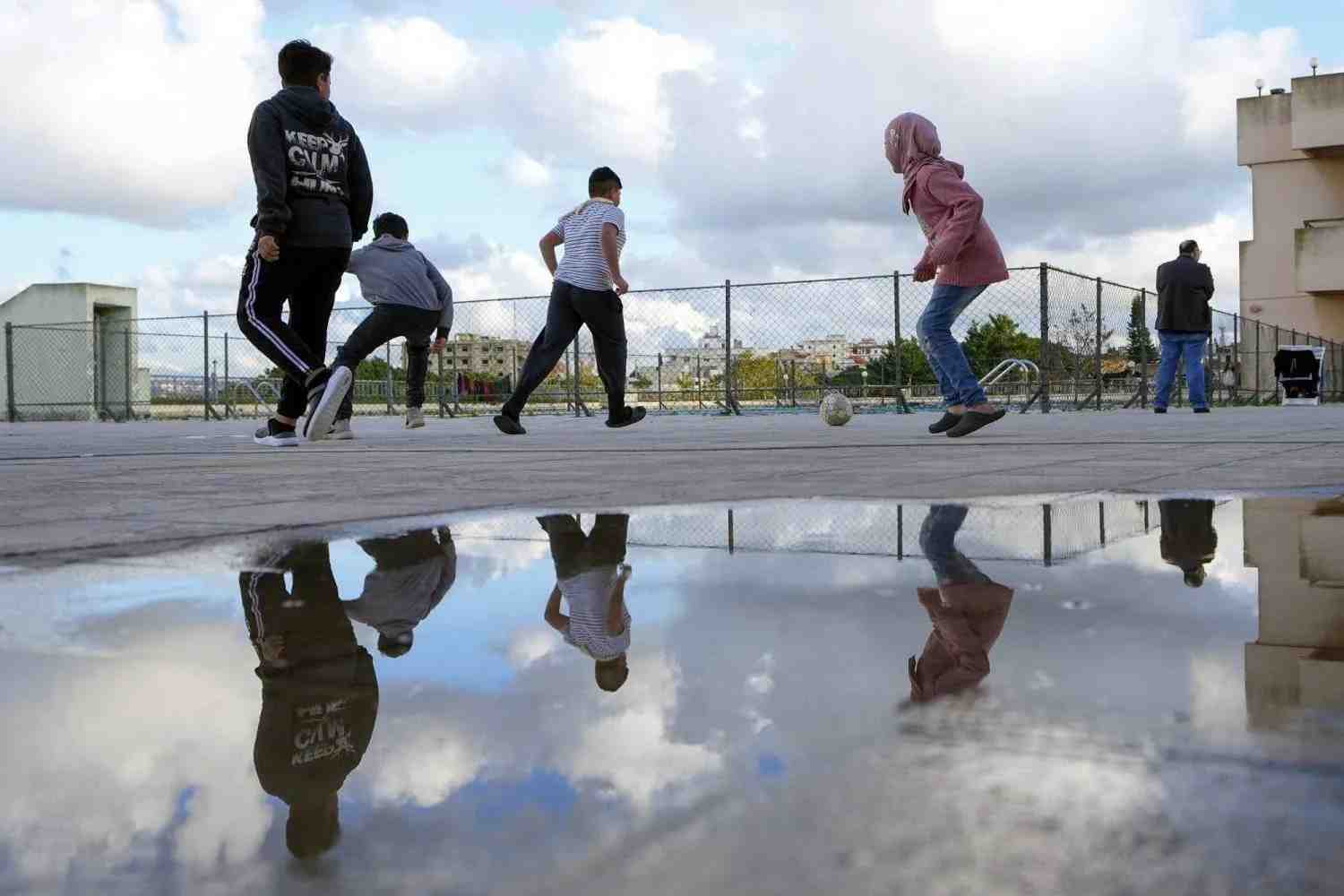
Education officials warn that further delays in reopening schools could have long-term consequences for children, including increased learning loss, higher dropout rates, and greater exposure to protection risks such as child labor and early marriage.
Corsi added that each day a child remains out of school increases the likelihood of permanent educational setbacks. He emphasized that education should be viewed not only as a sector in need of recovery but as a central part of the recovery process itself, contributing to stability and long-term resilience.
UNICEF is currently working with the Ministry of Education and Higher Education, international donors, and local partners to support rehabilitation efforts, ensure learning continuity, and advance education recovery plans across the country.
Although donor support through TREF has been ongoing, officials say the scale of destruction now requires significantly increased funding to restore safe learning environments ahead of the new school year.
Authorities and humanitarian agencies continue to stress that every child has the right to access safe, inclusive, and protective education, warning that delays in recovery risk deepening Lebanon’s broader social and economic challenges.