




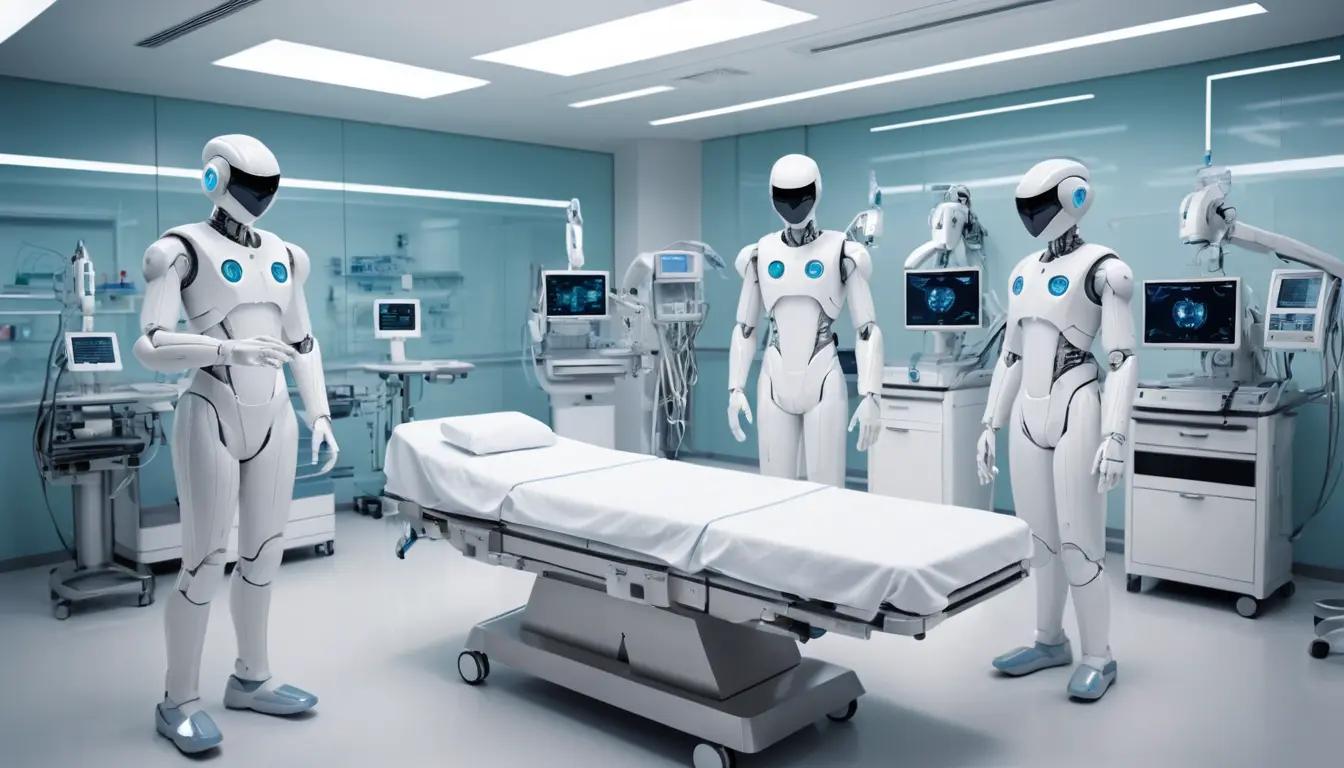
WORLD - According to the World Economic Forum, A new analysis highlights that artificial intelligence in healthcare is expanding quickly, with the global market projected to reach $491 billion by 2032, driven by fast adoption across health systems worldwide.
However, the report warns that speed of deployment does not automatically translate into better patient care or improved outcomes.
Warning from past digital health systems
The analysis draws lessons from earlier healthcare digital transformations, particularly electronic health records (EHRs), which increased administrative workloads for physicians.
Doctors are now reported to spend nearly twice as much time on administrative tasks as on direct patient care, raising concerns about technology that prioritizes efficiency over human interaction.
Key principle: automate systems, not relationships
Experts argue that the most effective use of AI in healthcare is automating administrative tasks such as scheduling, authorizations, and documentation.
By reducing paperwork and operational burdens, AI can allow healthcare professionals to spend more time directly engaging with patients.
Improving continuity and personalization of care
The report also highlights how AI can improve continuity in patient care by organizing medical histories and surfacing relevant information before consultations.
This is especially important in long-term treatment journeys, where patients often interact with multiple providers and must repeatedly explain their condition.
AI-driven summaries can help ensure care is more informed, consistent, and personalized across all stages of treatment.
Continuous learning as a key advantage of AI
Another key point is the ability of AI systems to learn continuously from patient interactions.
By analyzing feedback and outcomes at scale, AI can help healthcare systems improve over time, identifying gaps in care and strengthening patient experience.
This approach shifts healthcare quality from retrospective measurement to real-time improvement.
The future of healthcare AI
The analysis concludes that the success of AI in healthcare should not be measured by automation levels alone, but by whether patients feel more understood, supported, and connected to their care providers.
Ultimately, experts stress that the goal is not to replace human care, but to enhance it—making healthcare more empathetic, efficient, and patient-centered.