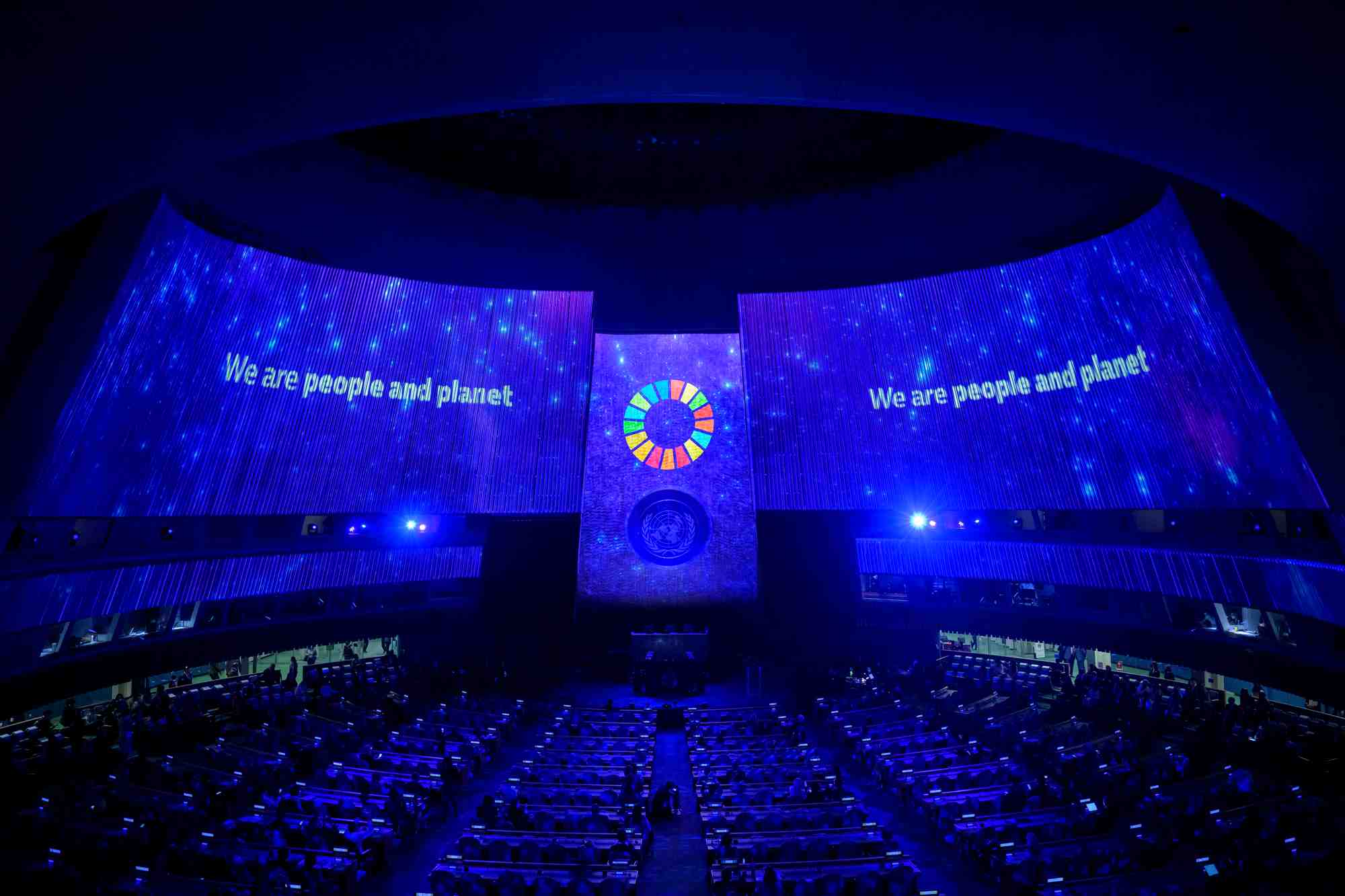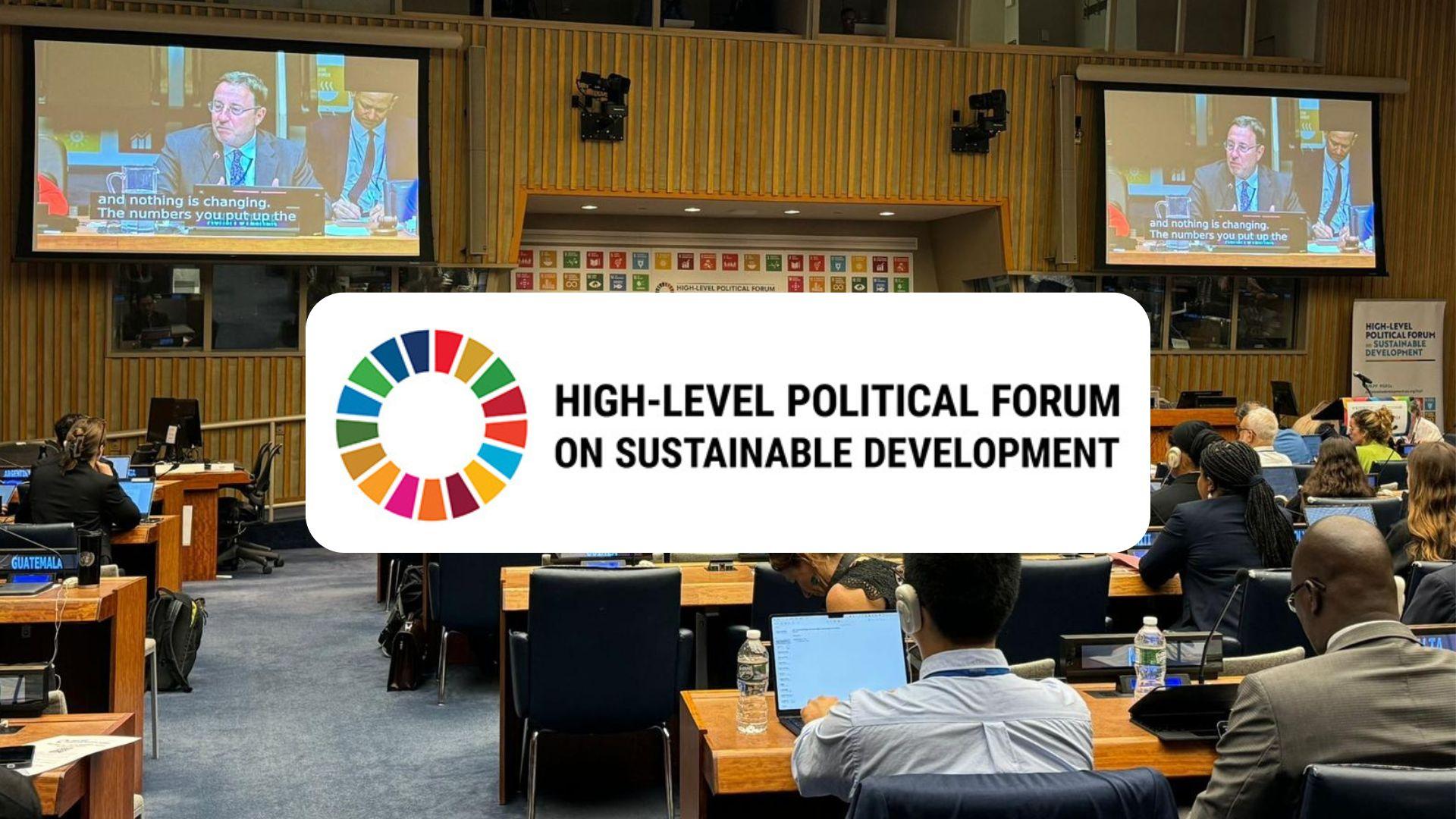
UNITED STATES - The United Nations High-Level Political Forum on Sustainable Development (HLPF) opened its 2026 session on Tuesday with calls for stronger international cooperation, increased financing, and innovative solutions to accelerate progress toward the Sustainable Development Goals (SDGs).
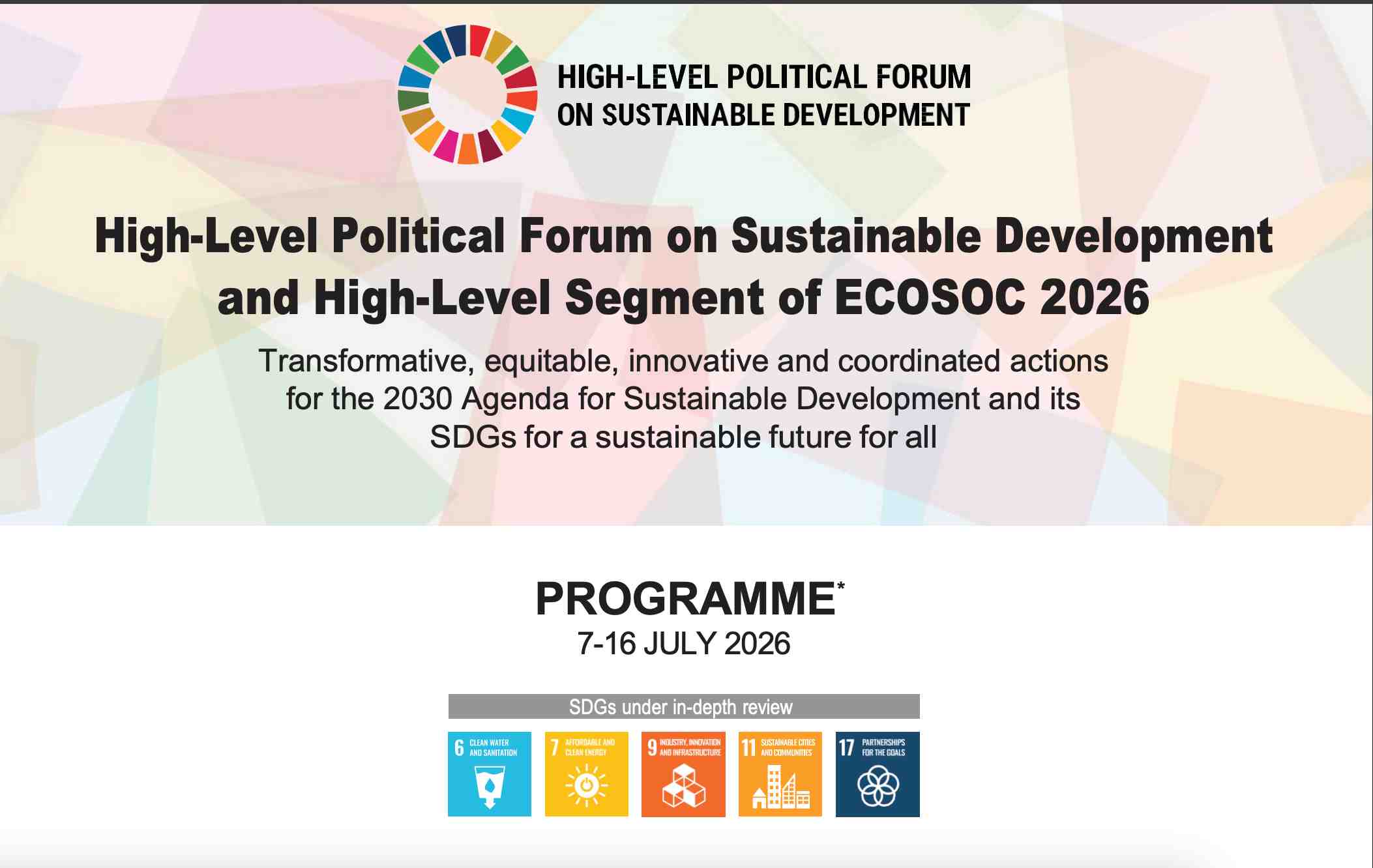
Held from July 7 to 15 under the auspices of the Economic and Social Council (ECOSOC), the forum brings together governments, international organizations, civil society, youth representatives, and other stakeholders to assess progress on the 2030 Agenda for Sustainable Development and exchange solutions to address ongoing global challenges.
This year’s forum is focused on “Transformative, equitable, innovative and coordinated actions for the 2030 Agenda for Sustainable Development and its SDGs for a sustainable future for all.”
Forum Focuses on Five Key Sustainable Development Goals
According to a UN press release, the 2026 HLPF will conduct in-depth reviews of five Sustainable Development Goals: SDG 6 on ensuring access to water and sanitation, SDG 7 on affordable and clean energy, SDG 9 on resilient infrastructure and innovation, SDG 11 on sustainable cities and communities, and SDG 17 on strengthening global partnerships.
Opening the session, ECOSOC President Lok Bahadur Thapa stressed that sustainable development requires coordinated action across sectors rather than isolated efforts.
ECOSOC is one of the six principal organs of the United Nations and is responsible for coordinating the UN's work on economic, social, and related issues.
“The Goals under review remind us that sustainable development cannot be advanced in one sector at a time,” Thapa said, emphasizing the need for integrated policies, stronger partnerships, and cooperation between institutions.
Water, Energy, and Innovation as Development Priorities
Thapa underlined that water security is closely linked to health, food systems, energy production, climate resilience and sustainable urban development.
Despite progress, billions of people worldwide continue to lack access to safe water and basic sanitation, he said, adding that expanding access to clean energy remains essential for economic opportunity, human dignity, and climate justice.
He also highlighted the growing importance of digital infrastructure, research, technology transfer, and innovation ecosystems in building resilience.
“As science, technology, data, and artificial intelligence reshape our societies, ensuring that their benefits are shared equitably has become both a development imperative and a test of international cooperation,” he said.
Thapa called for integrated planning and investment to help cities improve housing, mobility, public services, climate resilience, and economic opportunities.
UN Report Shows Progress
Presenting the UN Secretary-General’s report on progress toward the SDGs, Li Junhua said the findings provide “a clear-eyed measure of collective progress and the monumental, urgent work ahead.”
The report found that 36 percent of the 139 SDG targets with available trend data are currently on track or making moderate progress.
Li highlighted achievements since 2015, including expanded access to safe drinking water and sanitation, wider social protection coverage, and a 65 percent decline in disaster-related deaths compared with the previous decade.
“Behind that number are lives transformed,” he said.
Poverty, Conflict, and Climate Pressures
Despite these gains, Li warned that major challenges continue to slow progress toward the 2030 Agenda.
One in 10 people worldwide still lives in extreme poverty, while food insecurity affects 2.3 billion people. Maternal mortality remains nearly three times above the global target, according to the report.
The UN official also pointed to the impact of overlapping global crises, noting that temperatures reached 1.43 degrees Celsius above pre-industrial levels in 2025, while violent conflicts have contributed to the forced displacement of 118 million people.
At the same time, official development assistance dropped by 23 percent in 2025, placing additional pressure on countries working to finance sustainable development.
Calls for Increased Financing and Stronger Partnerships
Li urged the international community to scale up successful initiatives while addressing the root causes behind stalled progress.
He called for meaningful debt relief, increased development financing, stronger food, energy and water systems, expanded essential services, reduced inequalities and greater empowerment of women and young people.
“The Secretary-General’s progress report is both a testament to what is possible and an urgent call to do far more,” he said.
Migration Recognized as Part of Sustainable Development
The opening session also highlighted the role of migration in achieving the SDGs.
Speaking on behalf of the United Nations Network on Migration, Li said migration is closely connected to sustainable development, contributing to inclusive societies, resilient communities, and stronger labour markets.
He noted that the recently adopted Progress Declaration strengthens the relationship between the implementation of the Global Compact for Migration and the 2030 Agenda.
HLPF 2026 to Support Key Global Development Processes
The 2026 HLPF will build on the outcomes of several major international summits and agreements, including the Pact for the Future, the Sevilla Commitment, and the Doha Political Declaration.
The discussions will also contribute to preparations for the 2027 SDG Summit, which will focus on accelerating sustainable development efforts toward 2030 and beyond.
The outcomes of the forum will further support other key global processes, including the 2026 UN Water Conference and the Conferences of the Parties (COPs) of the three Rio Conventions: the United Nations Framework Convention on Climate Change (UNFCCC), the Convention on Biological Diversity (CBD), and the United Nations Convention to Combat Desertification (UNCCD).
The HLPF will continue through July 15, with governments presenting voluntary national reviews outlining their achievements, challenges, and lessons learned as they work toward meeting the SDGs by 2030.