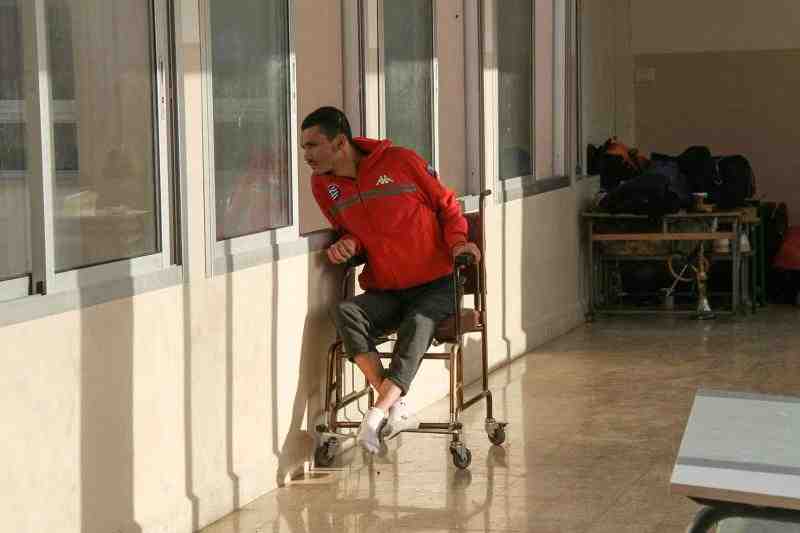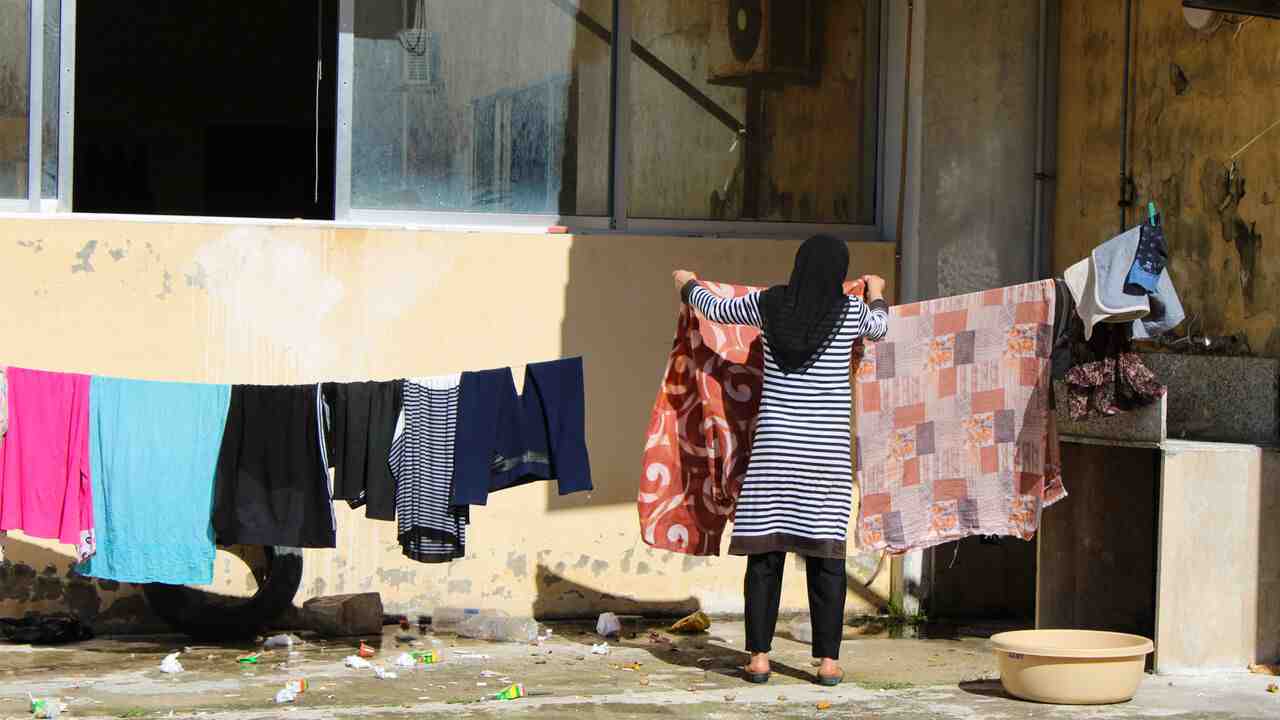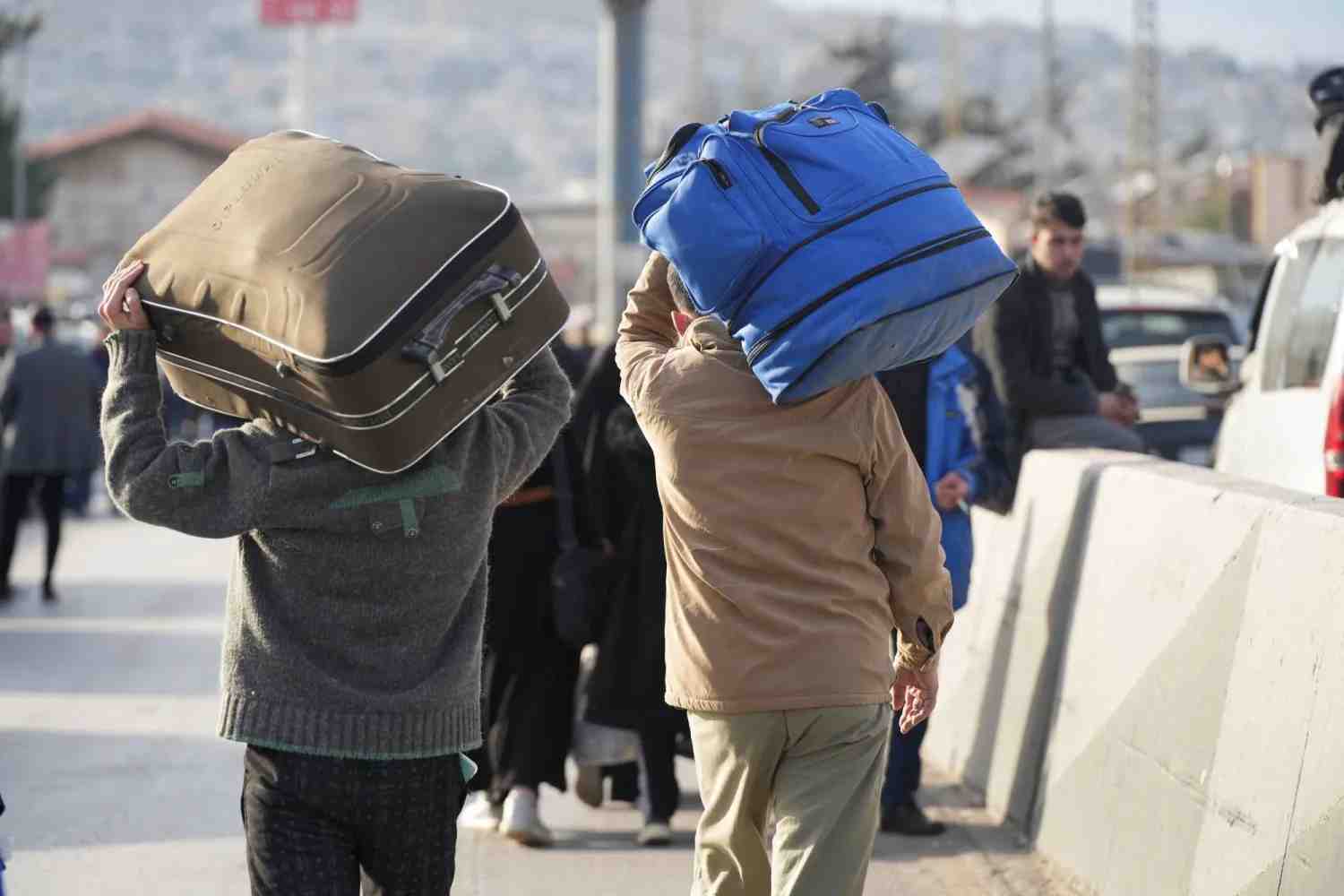




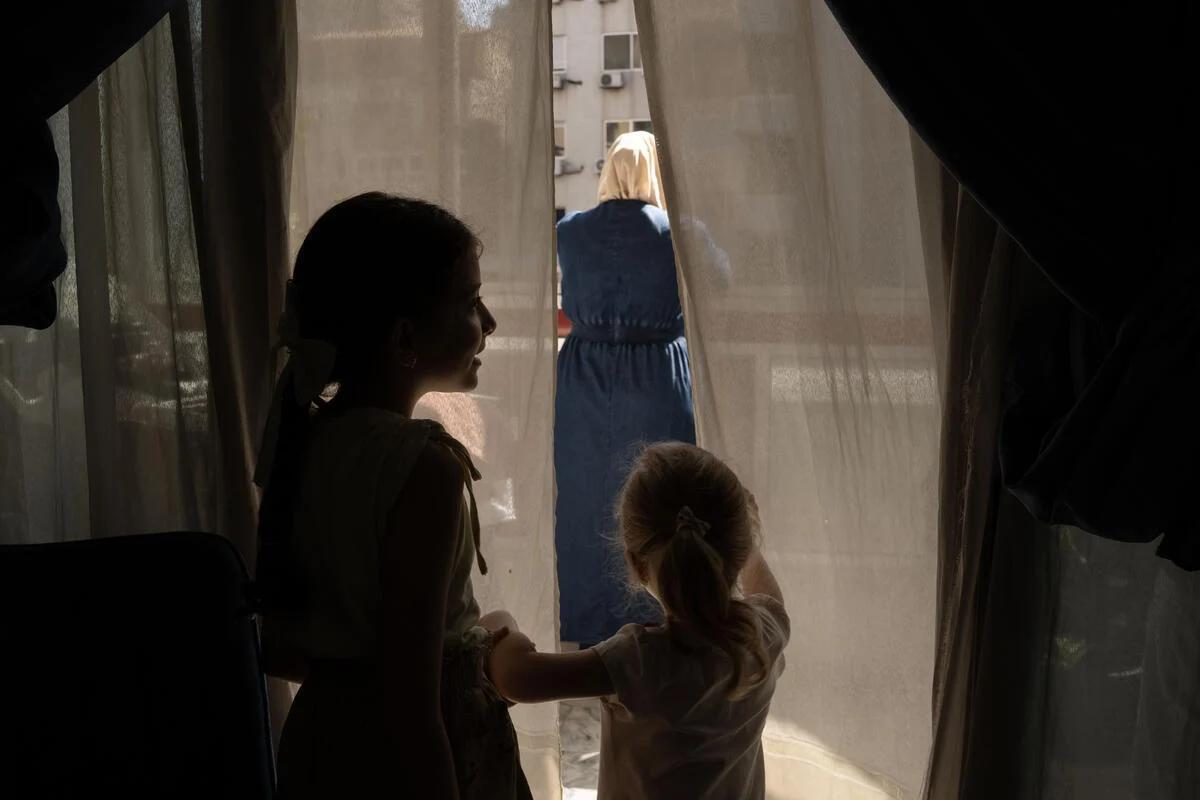
LEBANON – As the effects of war and displacement continue across Lebanon, a new legal question has emerged about rental contracts, especially in areas affected by military operations that forced residents to leave their homes.
Thousands of tenants have been unable to return to or use the homes they rent because of security risks. At the same time, many landlords have lost an important source of income that helps them support their families.
This issue is not only about contracts. It is also connected to the right to housing, social protection, and the economic difficulties faced by both tenants and landlords. The ongoing displacement crisis also creates challenges for restoring stability in affected communities and finding a balance between protecting contractual rights and ensuring access to safe housing.
The main legal question is: If war prevents a tenant from using a rented home, does this suspend the obligation to pay rent?
According to a legal study on the impact of violence in southern Lebanon on contracts and obligations, this issue is part of a wider discussion about how major crises affect agreements, especially through the concepts of force majeure and exceptional circumstances.
Force Majeure in Lebanese Law: No Clear Definition
Lebanese law does not provide a clear definition of force majeure. However, legal experts and courts have explained the concept through legal interpretations.
According to Lebanese legal scholar Georges Sioufi, force majeure is:
“An external event that is unexpected, cannot be predicted, and cannot be prevented.”
Another legal scholar, Khalil Jurayj, describes it as:
“A sudden event beyond a person’s control that cannot be expected or avoided.”
The Legislation and Consultations Authority at the Ministry of Justice also considers force majeure to be an unexpected event that a person cannot resist, prevent, or control.
However, not every difficult situation is considered force majeure. Certain legal conditions must exist.
The Three Conditions of Force Majeure
1. The event must be unexpected
The event must be something that could not reasonably be predicted when the contract was signed.
Major military operations, heavy shelling, and forced displacement may be considered unexpected events, especially when entire communities are forced to leave their homes.
However, the existence of war alone does not automatically cancel contracts. Each situation must be examined separately.
2. The event cannot be avoided
The affected person must prove that they could not prevent the situation or avoid its consequences.
For displaced tenants, returning home may be impossible because of security threats.
The legal question is whether this inability to use the property makes paying rent impossible, or whether it only creates additional difficulty.
3. The event must be outside the person’s control
The event must come from outside the person’s actions and decisions.
War and military operations are generally considered events beyond the control of both tenants and landlords.
How Does Force Majeure Affect Rental Contracts?
Lebanese law follows a basic principle: contracts must be respected. Both parties are normally required to fulfill their obligations, even when circumstances become difficult.
Article 221 of the Code of Obligations and Contracts states that legally valid contracts must be respected and carried out in good faith.
However, the law recognizes exceptional situations where fulfilling an obligation becomes impossible because of events beyond a person’s control.
In a rental agreement, the tenant must pay rent, while the landlord must allow the tenant to use the property. If an exceptional event prevents one of these obligations from being fulfilled, the law determines what happens next.
Articles 243, 341, and 343 explain that when an obligation becomes impossible because of circumstances beyond a person’s control, that obligation may end or be affected. However, force majeure does not automatically cancel all responsibilities.
The important question is whether the war has made the obligation impossible, or only more difficult.
Is the War in Southern Lebanon Force Majeure or an Exceptional Situation?
Although war may appear to be a clear example of force majeure, Lebanese courts usually apply this concept carefully because it can have major consequences on contracts.
The difference depends on the impact of the event:
• Force majeure: The obligation becomes impossible to perform, which may lead to ending the obligation or cancelling the contract.
• Exceptional circumstances: The obligation is still possible, but it becomes much harder and creates a heavy financial burden.
According to the legal study, many cases related to the violence in southern Lebanon may be closer to exceptional circumstances because they create temporary or partial difficulties rather than making obligations completely impossible.
Lessons from the 2006 July War
The study refers to a legal opinion issued after the 2006 July War by the Legislation and Consultations Authority at the Ministry of Justice, headed by Judge Shukri Sader.
The Authority stated that force majeure must completely prevent the performance of an obligation and cannot simply be a difficult situation.
Therefore, major difficulties alone are not enough to consider an event force majeure unless they make performance impossible.
What Happens If War Is Considered Force Majeure?
Even if security conditions are considered force majeure, the legal consequences depend on the situation:
• If the situation is temporary: A judge may suspend the contract until conditions improve.
• If only part of the obligations is affected: Only the impossible obligations may be suspended.
• If the contract becomes impossible to continue: The agreement may be cancelled and both parties may be released from their obligations.
A Legal Gap Leaves Tenants and Landlords Uncertain
The study highlights that Lebanese law does not clearly give judges the power to change contracts and restore balance between parties during exceptional situations.
In some countries, judges can adjust contracts when circumstances make them extremely unfair for one party. Lebanese law does not have a clear general rule allowing this.
As a result, rental disputes during war may lead to different interpretations and leave both tenants and landlords without clear protection.
Lebanon’s Previous Measures During Crises
Lebanon has previously adopted special laws to suspend legal and contractual deadlines during major crises.
During the Lebanese civil war, Law No. 50/1991 suspended legal, judicial, and contractual deadlines.
During the COVID-19 pandemic, several laws were adopted, including:
• Law No. 160/2020
• Law No. 185/2020
• Law No. 199/2020
• Law No. 212/2021
After the 2006 July War, a law issued on 21 December 2006 also suspended legal, judicial, and contractual deadlines related to civil and commercial rights during the conflict.
These examples show that Lebanon has previously used exceptional legal measures during crises. They also provide a basis for creating a broader legal framework that clearly addresses how wars and disasters affect contracts, while protecting legal rights, social protection, and economic stability.
The Need for a Clear Legal Framework
The study concludes that protecting people affected by war requires new legislation, especially laws that define how contracts and obligations should be handled during exceptional situations.
Such measures could help balance the rights of tenants who cannot access their homes and landlords who depend on rental income.
With displacement continuing and legal uncertainty remaining, Lebanon needs a clear framework that reduces legal disputes and protects both sides. This also requires stronger cooperation between ministries and municipalities to support affected families, protect housing stability, and help communities recover and rebuild after conflict.