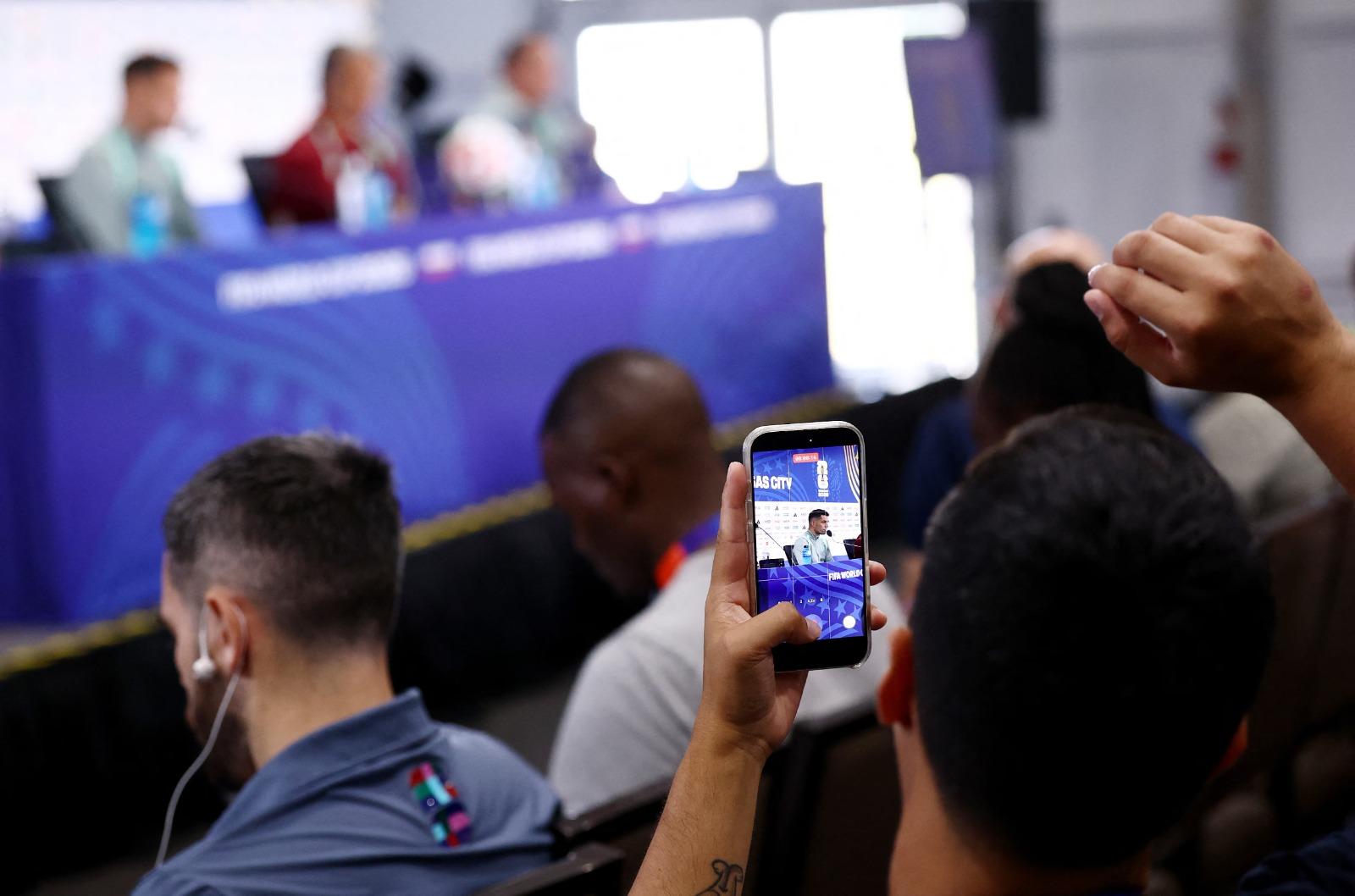
WORLD - The FIFA World Cup 2026 is not only the world’s largest sporting event but also a vast temporary digital economy connecting stadiums, broadcasters, payment systems, transport networks, ticketing platforms and millions of fans. This interconnected ecosystem offers important lessons on cybersecurity and managing digital risks beyond the world of sports.
According to research by Darktrace, 84% of professional sports organizations experienced at least one cyber incident in the past 12 months, while 57% faced multiple attacks. The most common threats include phishing, malware, identity abuse, third-party risks and weak access controls.
The scale of the World Cup, hosted across three countries, 16 cities and 104 matches, makes it a major target for cyberattacks, as any disruption could affect live broadcasts, ticketing systems, payment platforms and stadium operations.
Cyber risks extend beyond the field
Cybersecurity experts warn that the challenges faced during major sporting events reflect risks encountered by businesses worldwide. Retailers preparing for major sales events, banks managing financial transactions and hospitals handling critical services all face similar challenges: maintaining operations when digital systems come under attack.
A recent security incident involving FIFA-registered football agents highlighted these vulnerabilities. An independent researcher reportedly bypassed client-side security measures and gained access to a FIFA streaming management panel, exposing tools linked to live match data and video production.
Artificial intelligence adds a new layer of risk
The rapid adoption of artificial intelligence is creating additional cybersecurity challenges. Attackers can use AI tools to create more convincing phishing messages, identify vulnerabilities and accelerate cyberattacks.
Darktrace’s research found that 83% of cybersecurity teams in professional sports believe they detected AI being used in cyberattacks against their organizations over the past year, while 72% expect AI to increase cyber risks in the next 12 months.
At the same time, organizations are concerned about internal AI risks. Nearly 47% of cybersecurity professionals in sports expressed concerns about risks caused by employees creating AI agents, as these systems can access data, workflows and operational tools.
Three cybersecurity lessons from the World Cup
1. Build resilience across the entire ecosystem
Major events rely on a wide network of partners, including broadcasters, cloud providers, payment companies, contractors and public agencies. Organizations must understand who has access to critical systems, assess third-party risks and prepare for potential disruptions.
2. Protect human and AI identities
As AI agents become part of business operations, cybersecurity strategies must expand beyond traditional user accounts. Companies need to monitor both human and AI access, understand normal behavior patterns and quickly identify suspicious activity.
3. Test response plans under real pressure
Cybersecurity plans must be tested in realistic conditions. Organizations need clear decision-making processes, backup procedures and systems capable of containing threats while teams investigate and respond.
A warning for the digital future
The World Cup demonstrates how digital risks are evolving as organizations become more connected and increasingly rely on artificial intelligence. Experts say businesses should strengthen cybersecurity before crises occur by identifying critical systems, monitoring access and ensuring they can continue operating even