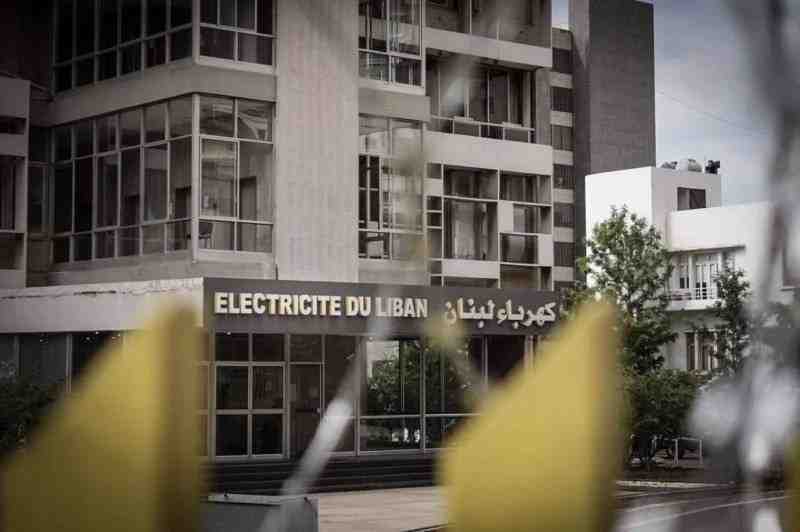




LEBANON - Lebanon’s Council of Ministers approved an electricity sector reform policy during a session chaired by Prime Minister Nawaf Salam, paving the way for the restructuring of the power sector and the gradual transformation of Électricité du Liban (EDL) into a more efficient and financially sustainable entity.
The decision was announced by Information Minister Paul Morcos, who said the Cabinet approved the policy paper submitted by the Ministry of Energy and Water and requested the issuance of the necessary decrees to implement it.
Titled “Electricity Sector Regulation, Transitional Framework and Long-Term Model,” the policy paper, dated 21 July 2026, aims to establish a unified roadmap for reforming Lebanon’s electricity sector and provide a framework for cooperation between the Ministry and the Electricity Regulatory Authority.
The document highlights the severe challenges facing the sector, noting that Lebanon’s electricity system currently operates under a vertically integrated public monopoly centred on EDL, which controls more than 90% of generation and distribution assets.
Despite this dominant role, EDL is only able to provide between eight and ten hours of electricity supply per day under the best conditions, while demand remains nearly three times higher than available supply.
The paper also points to technical and non-technical losses reaching around 40% of total electricity delivered through the grid, while collection rates remain at approximately 60%.
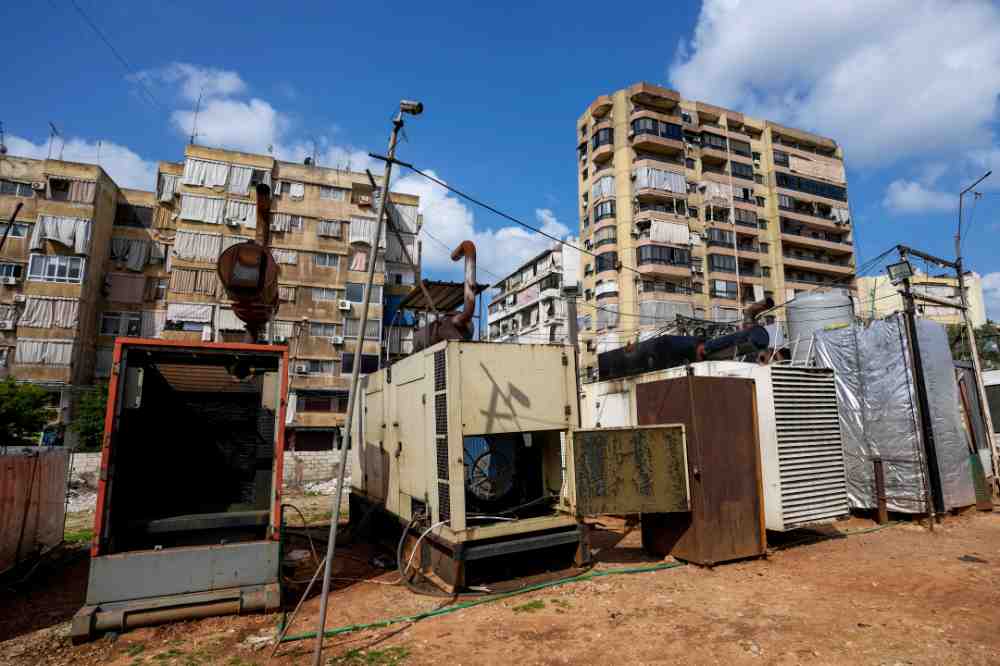
The continued financial pressure on EDL has contributed to the expansion of the private diesel generator market, which currently provides a significant share of electricity demand across the country.
Two-Phase Transition Plan for Electricity Reform
The approved policy proposes a gradual transition based on two main phases, in line with Laws No. 462/2002 and No. 318/2023.
The first phase involves transforming EDL into a single public joint-stock company that would continue managing generation, transmission and distribution activities under the supervision of the Electricity Regulatory Authority.
During this phase, a specialised unit would also be established to prepare for the creation of a “single buyer” mechanism responsible for purchasing electricity in bulk.
The second phase would introduce a structural separation of activities through the creation of independent generation companies (GENCOs), an independent transmission company (TRANSCO), a legally separate single buyer entity, and regional distribution system operators (DSOs).
The reform plan aims to gradually prepare Lebanon for a competitive and fully liberalised electricity market while ensuring the continuity of existing contracts and arrangements during the transition period.
The policy paper also recommends that the Ministry of Energy and Water and the Electricity Regulatory Authority develop and publish a unified implementation plan outlining timelines, required legislation and operational steps.
Cabinet Approves Beirut Port Expansion and Digitalisation Loan
Beyond the electricity sector, the Cabinet approved the allocation of property No. 1383 in the Medawar-Port area for the expansion of the Port of Beirut, as part of efforts to strengthen the country’s infrastructure.
The Council also requested the Ministry of Telecommunications to sign an agreement with the Medusa company in cooperation with Ogero, while instructing the Ministry of Finance to secure the necessary funds to cover the full cost of the project.
In addition, the Cabinet approved a $150 million loan agreement with the International Bank for Reconstruction and Development (IBRD) to support e-governance, digital transformation and the development of electronic public services.
Social Measures, Appointments and Cooperation Agreements
Regarding severely damaged buildings in Beirut, the Cabinet decided to continue paying housing allowances for residents of buildings classified as highly dangerous, extending the measure applied in other areas.
The government also approved several cooperation agreements with Colombia, Serbia and Bulgaria in agricultural and sports fields.
Furthermore, it approved extending the contract with the Federation of Municipalities of Al Fayhaa to continue implementing street sweeping, cleaning, road washing, waste removal and the removal of unauthorised posters in areas covered by the project.
During the session, the Council of Ministers also appointed Samer Khawand as Director General of the Public Institution for Consumer Markets.