



LEBANON - The Lebanese government and the United Nations have launched a program to support agricultural households affected by conflict and protect rural livelihoods across the country, with funding from the European Union, the UN World Food Programme (WFP) announced.
The initiative is part of a broader multi-year EU-funded programme implemented jointly by Lebanon’s Ministry of Agriculture, the World Food Programme, and the Food and Agriculture Organization of the United Nations (FAO), aimed at strengthening food security and supporting recovery in vulnerable communities.
Led by the Ministry of Agriculture, the programme is being carried out in coordination with the National Shock-Responsive Social Safety Net led by the Ministry of Social Affairs, as ongoing conflict and displacement continue to damage agricultural production and rural incomes.
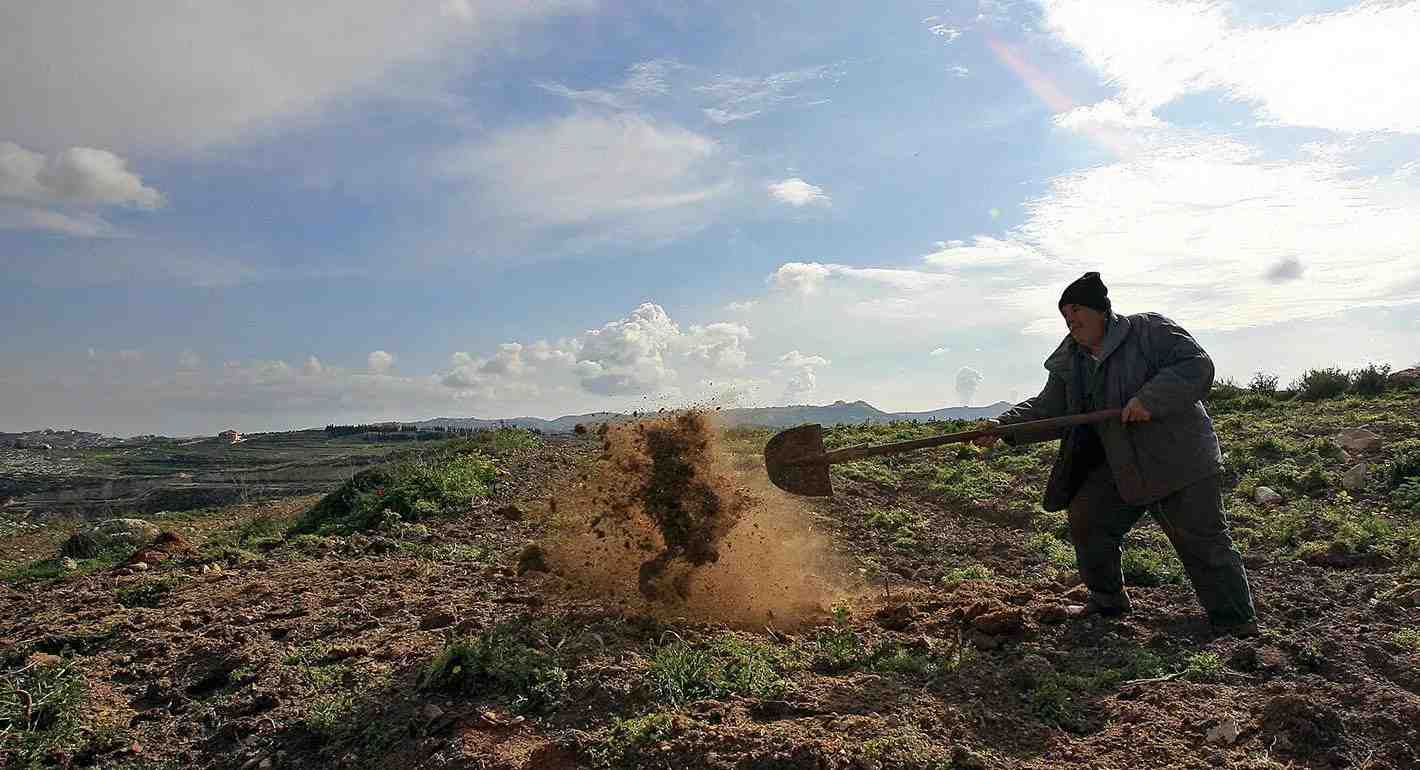
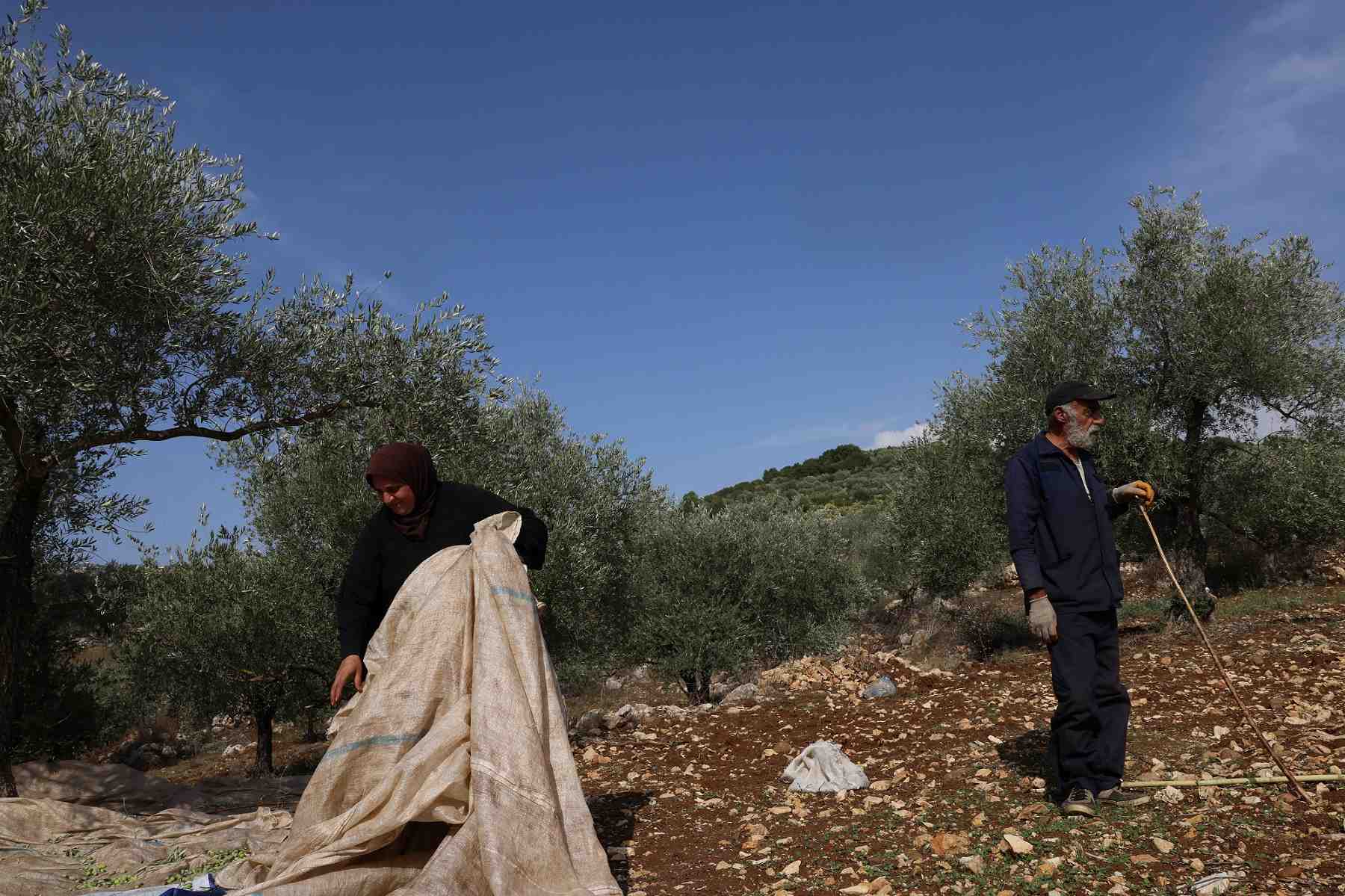
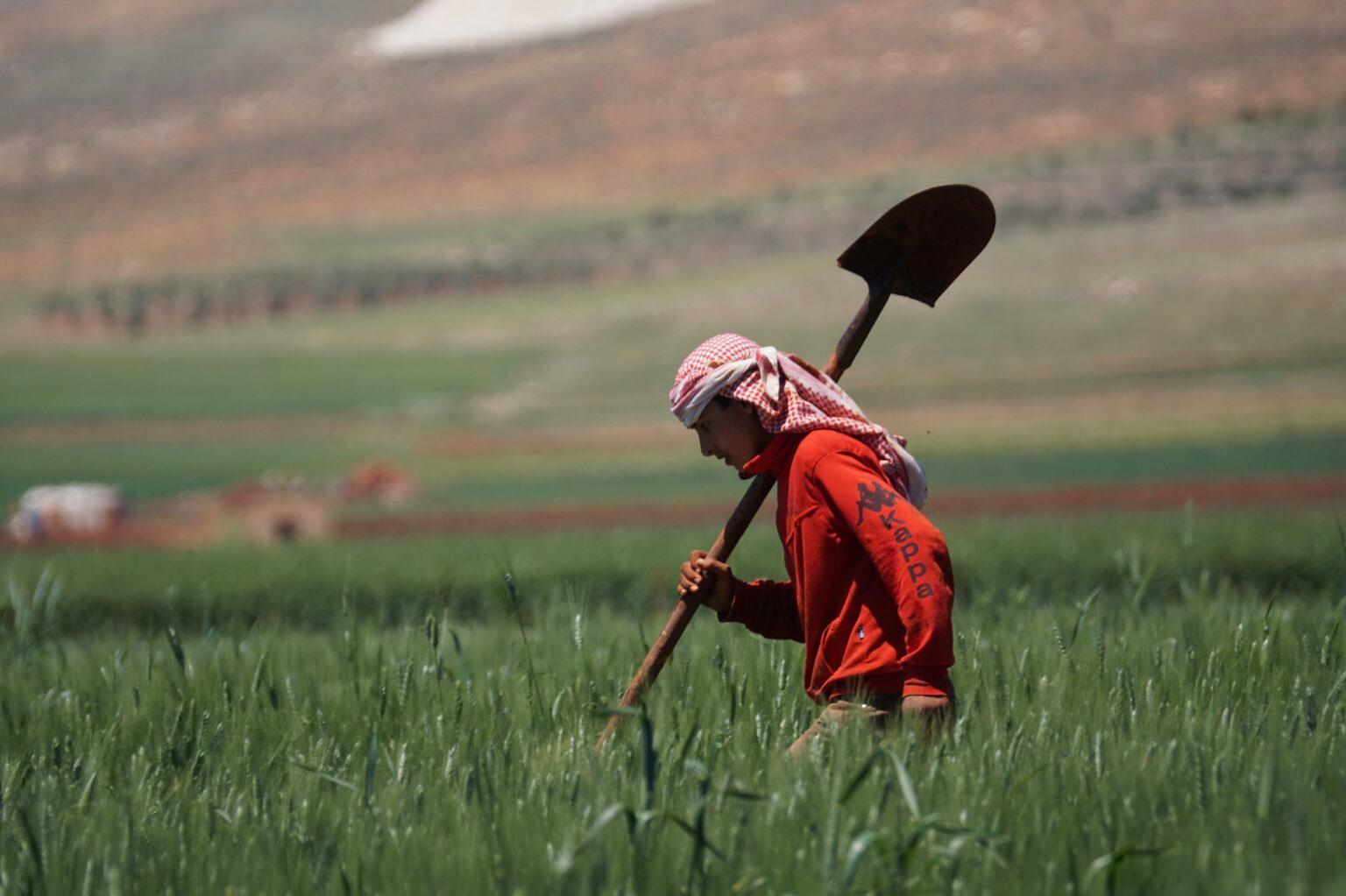
According to the WFP, approximately 46,500 hectares of agricultural land have been affected by the conflict, leaving many farming families without income, productive assets, or the ability to continue agricultural activities.
At the same time, food insecurity remains a growing concern across Lebanon, with 1.24 million people facing acute levels of food insecurity.
During its first phase, the program aims to provide cash assistance to 2,000 conflict-affected agricultural households, helping them meet immediate needs, adapt to worsening conditions, and prevent further deterioration of their livelihoods.
The initiative will rely on existing government systems to ensure aid reaches farmers quickly and efficiently. Support will be targeted using data from the Ministry of Agriculture, including the National Farmers Registry supported by FAO, as well as a database documenting agricultural damage linked to the conflict.
“This program reflects Lebanon’s commitment to placing agricultural resilience at the heart of national recovery efforts,” Agriculture Minister Nizar Hani said.
He added that protecting farmers’ livelihoods represents not only an emergency response but also a strategic investment in safeguarding national food security, preserving rural economies, and strengthening Lebanon’s agricultural systems against future crises.
Social Affairs Minister Haneen El Sayed said the impact of conflict extends beyond income losses, affecting people’s dignity and ability to recover.
She highlighted that linking agricultural assistance with Lebanon’s social protection network would ensure support reaches vulnerable families through transparent, government-led systems.
The WFP said the Lebanese government, the European Union, and UN partners remain committed to supporting vulnerable communities, protecting livelihoods, and helping rural families recover and rebuild as needs continue to rise.