LEBANON - The Lebanese Ministry of Education and Higher Education has launched a nationwide Learning Continuity Plan for the 2026–2027 academic year.
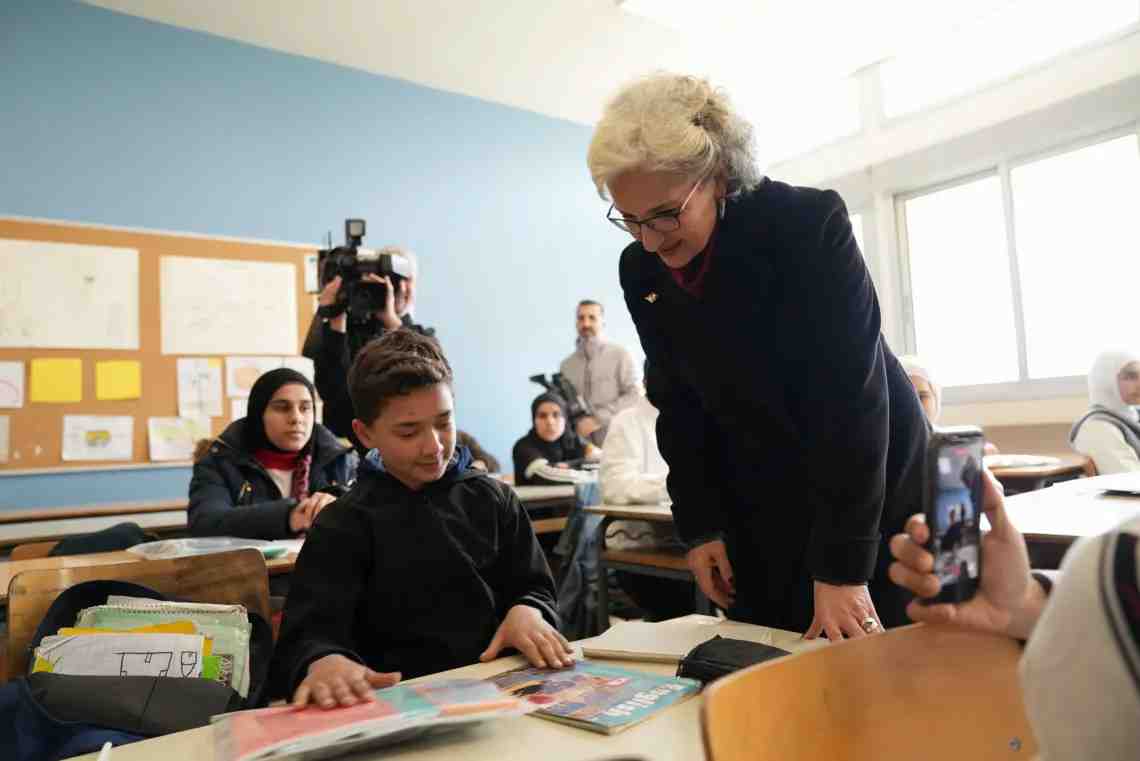
Education Minister Dr. Rima Karami unveiled the initiative, titled “A School for Every Local Community, and a Learning Space for Every Learner,” during a press conference at the ministry’s headquarters in Beirut.
The event was attended by Director-General of Education Fadi Yarak, President of the Center for Educational Research and Development Prof. Hiam Ishak, senior ministry officials, regional education representatives and members of the media.
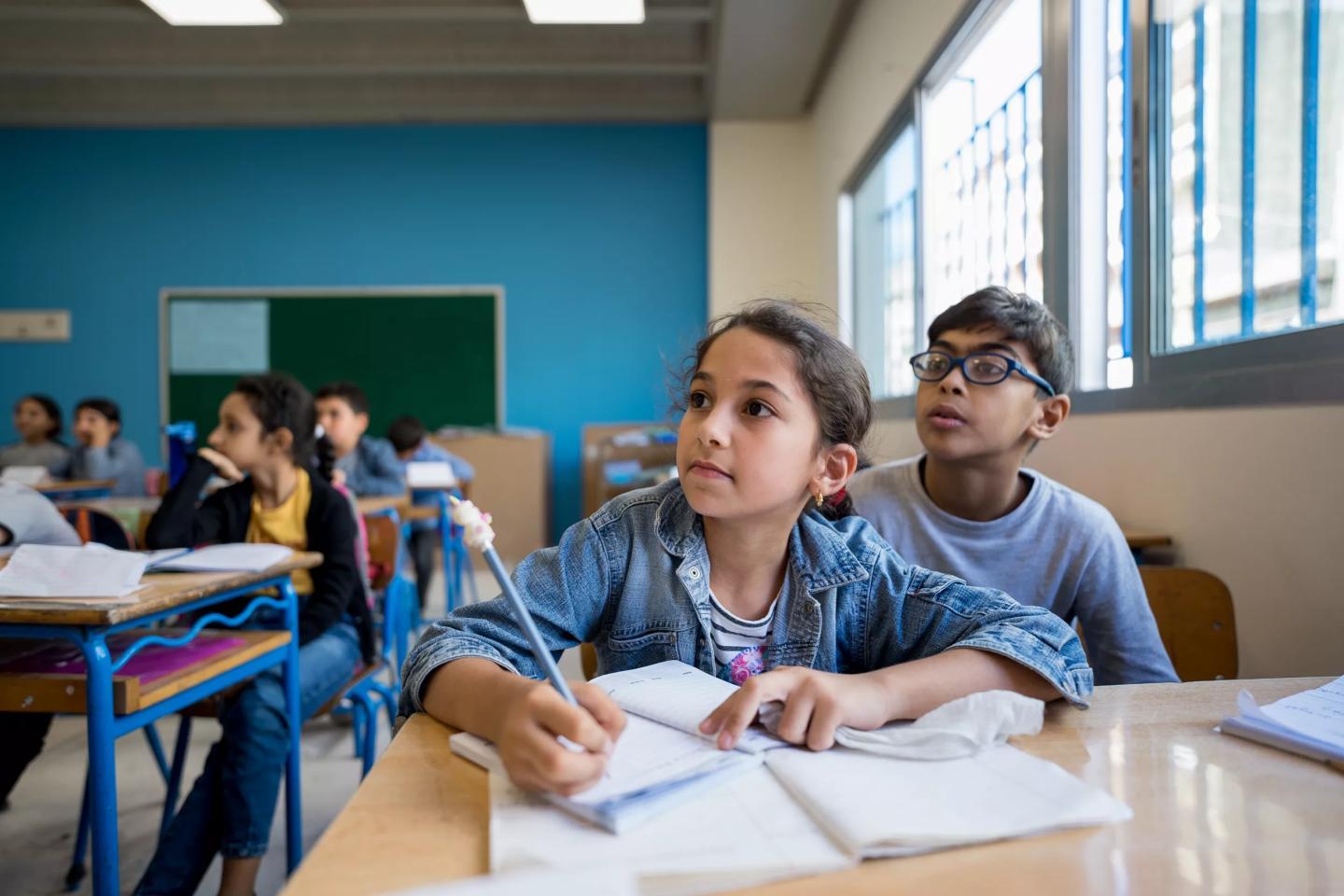
Minister Karami said the government’s objective is to begin the new school year in the first half of September, with in-person learning in schools that meet safety and operational standards.
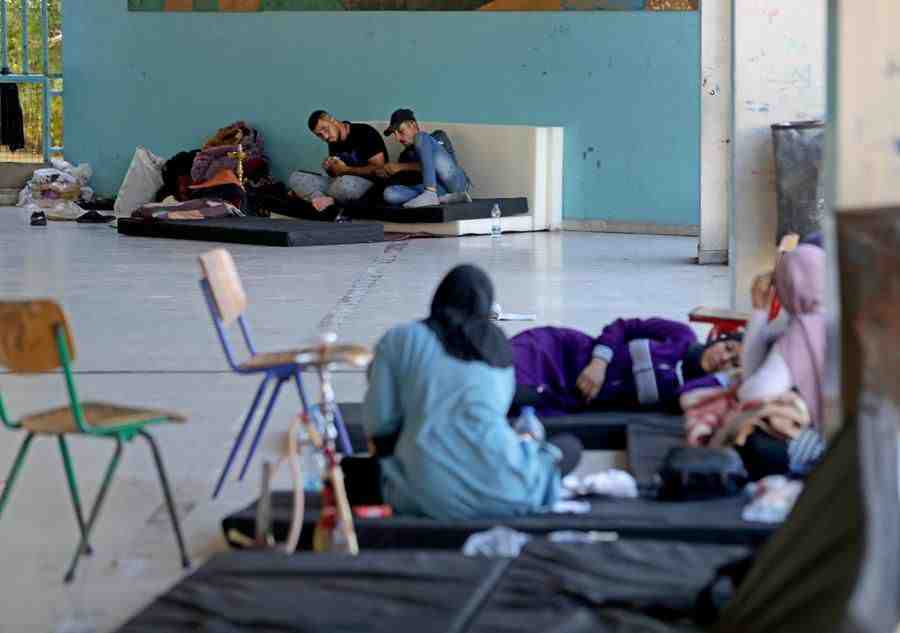
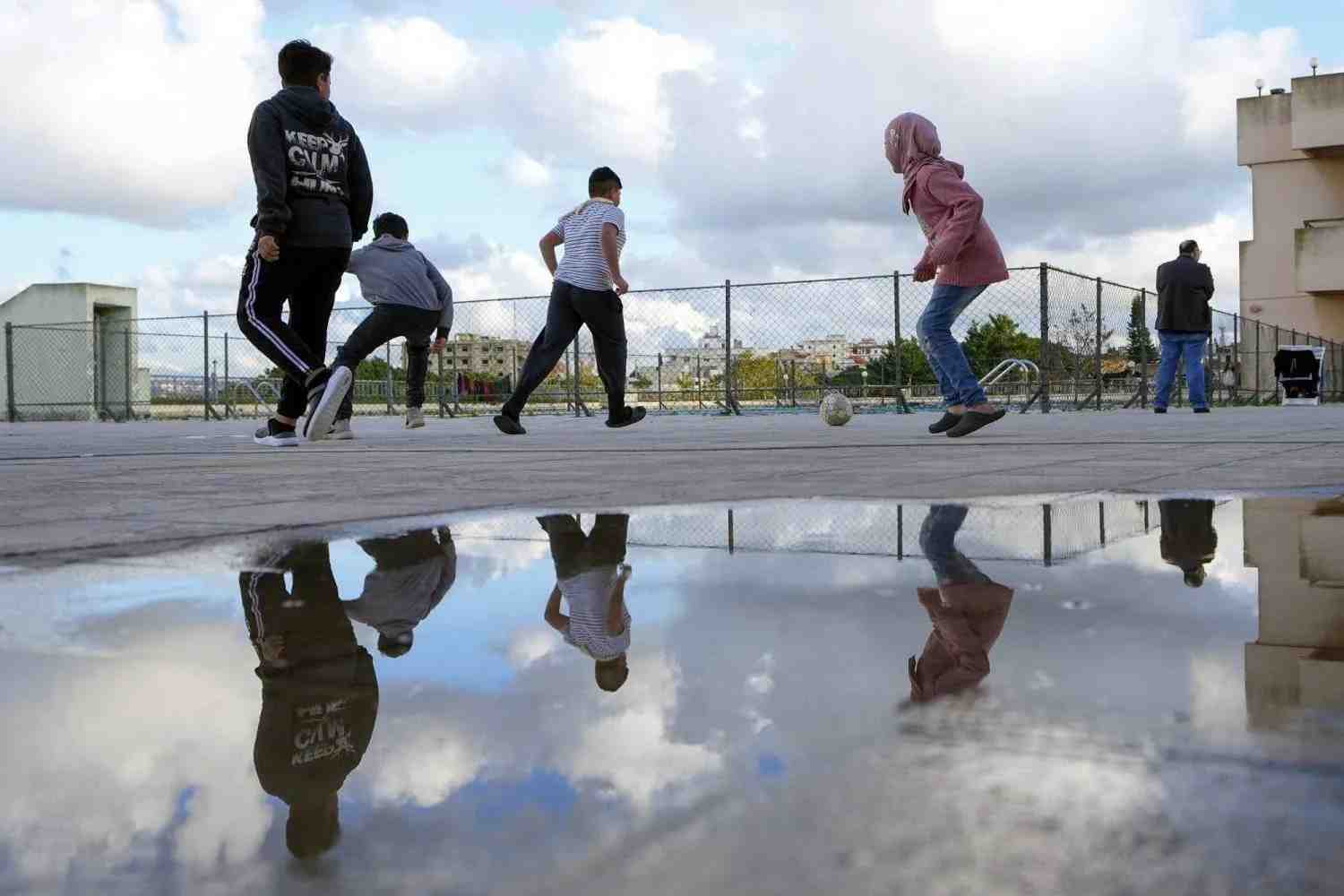
Schools located in areas still affected by hostilities will temporarily adopt remote learning until assessments are completed and conditions allow for a safe return to classroom instruction.
“In thousands of Lebanese homes today, families are asking where their children will learn when the school year begins and whether schools will be ready to receive them,” Minister Karami said. “Our goal is to start the academic year on time while ensuring the safety of students and staff.”
The minister called on parents to contact their children’s schools and provide updated information on their current locations. She said the data would be essential for planning school operations, allocating resources and distributing students across available facilities.
The minsiter also stressed that no school building would reopen before undergoing a full technical inspection and receiving confirmation that it is safe for use.
“Any building that has not completed the required assessment process will not resume operations until all verification procedures have been finalized,” she said.
Minister Karami said the plan was designed to move beyond emergency responses and establish a permanent national framework for managing education during crises.
“This is not simply a plan for the start of the school year,” she said. “It is a long-term framework that defines how school conditions are assessed, how priorities are determined, how decisions are made and what alternatives are available to guarantee continued learning under different circumstances.”
According to the minister, work on the initiative began during the early months of the conflict, with the ministry developing standardized decision-making mechanisms based on field data and regularly updated assessments.
The plan is built around four key principles: safety, continuity of learning, preservation of local school communities and data-driven decision-making. Authorities said all educational decisions would be based on documented field information and unified national criteria rather than ad hoc judgments.
A central feature of the strategy is the adoption of “school clusters” as the primary planning unit. Each cluster will include public schools, secondary schools, host schools, alternative learning spaces and public facilities within a defined geographic area.
The ministry said the system would allow institutions to share resources when necessary while maintaining each school’s identity and administrative independence.
Each cluster will maintain a comprehensive operational file containing data on student and teacher numbers, building conditions, classroom availability, capacity levels, accessibility and the locations of displaced students.
Minister Karami described the plan as part of the government’s broader reform agenda, saying it reflects efforts to strengthen state institutions and safeguard citizens’ rights during periods of instability.
She added that while crises cannot always be prevented, better preparation and coordinated planning can help ensure that students’ education continues regardless of circumstances.