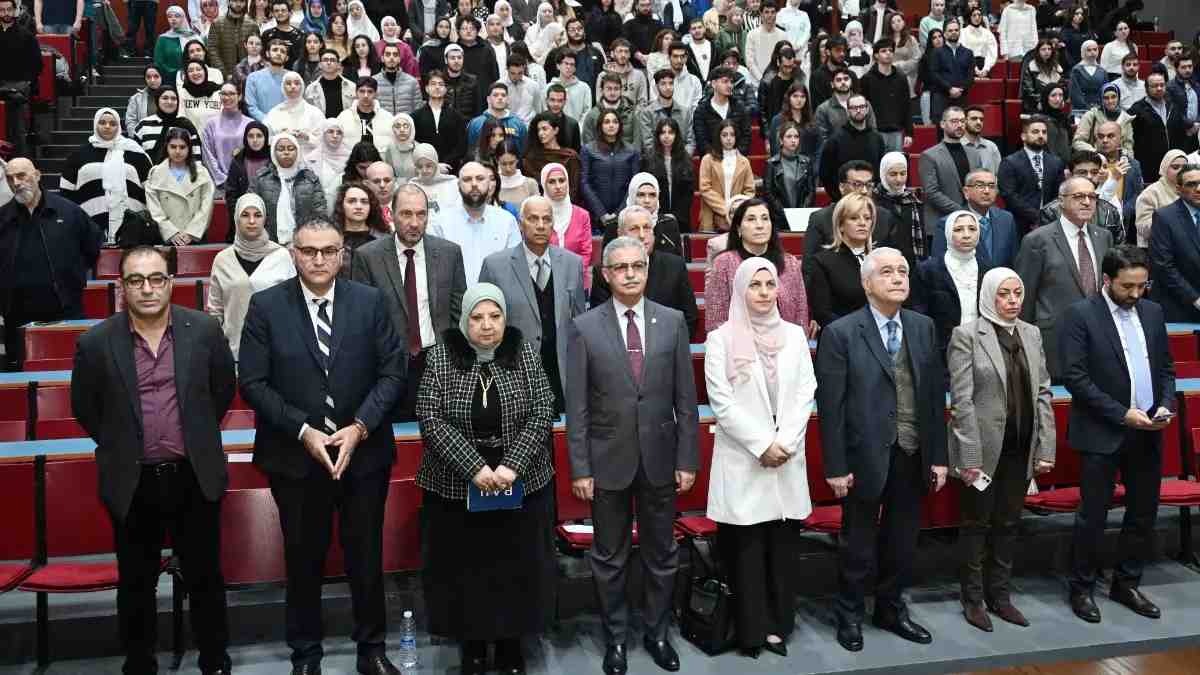




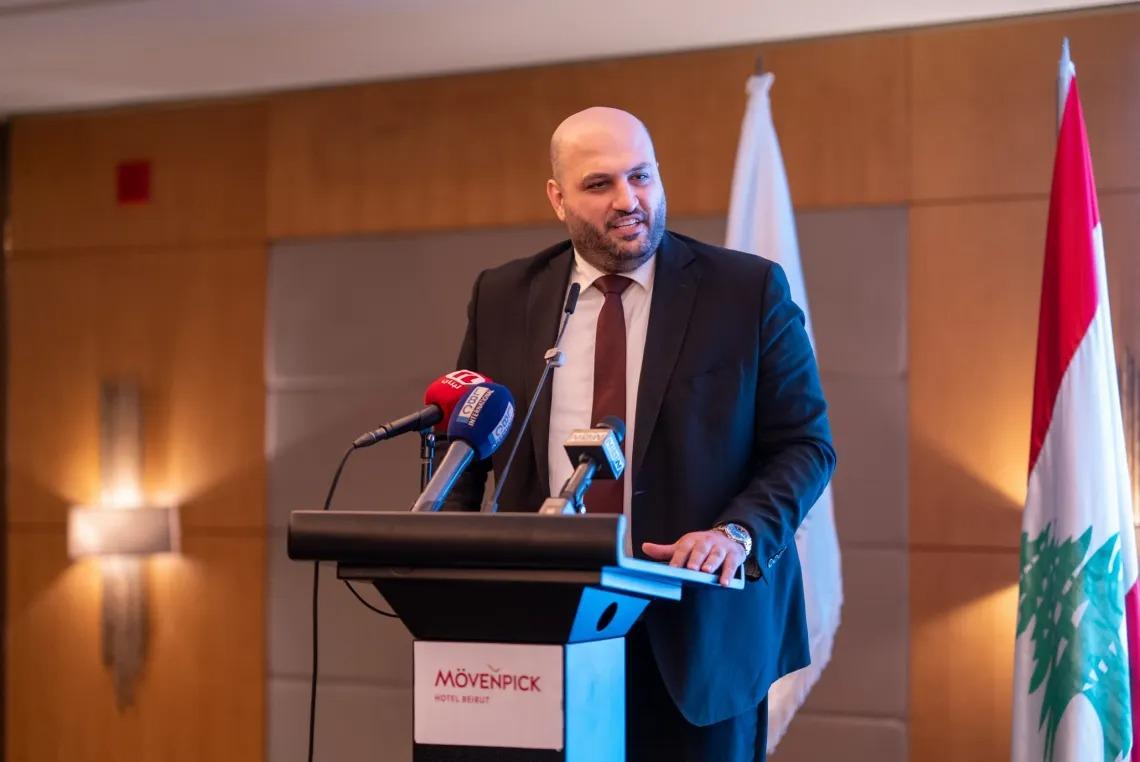
LEBANON – The Ministry of Public Health, in partnership with the United Nations Children’s Fund (UNICEF), and in collaboration with the World Health Organization (WHO), the World Bank, and other partners, launched the National Breastfeeding Campaign and the National Capacity-Building Programme on Infant and Young Child Feeding, marking World Breastfeeding Week.
The programme aims to strengthen support for breastfeeding and improve infant and young child feeding practices, recognizing them as key pillars for children’s survival, growth, development, and long-term health.
Minister of Public Health Dr. Rakan Nassereldine said the Ministry remains committed to strengthening national programmes that support the health of mothers and children, noting that investing in nutrition during the early stages of life is an investment in healthier children, stronger communities, and a more prosperous future for Lebanon.
The programme includes the launch of the Community Infant and Young Child Feeding Package, along with the updated Infant and Young Child Feeding Training Package and the Complementary Feeding Guide.
These resources aim to equip caregivers, frontline health workers, and healthcare professionals with the knowledge and practical skills needed to provide evidence-based guidance and quality support to mothers and families in hospitals, primary healthcare centres, and local communities.
UNICEF Representative in Lebanon Marcoluigi Corsi said the launch of the programme represents an important step towards strengthening systems and building capacities, ensuring continued support for children and families. He stressed that UNICEF will continue to support the Ministry of Public Health and its partners in strengthening high-quality infant and young child feeding services across Lebanon.
For his part, WHO Deputy Representative in Lebanon Dr. Yutaro Setoya highlighted the importance of good nutrition during the first two years of a child’s life, given its impact on growth, brain development, and learning. He noted that the new Complementary Feeding Guide provides healthcare workers with the necessary tools to support families and deliver accurate and consistent advice.
World Bank Representative in Lebanon Mouna Couzi also emphasized that investing in child nutrition is an investment in Lebanon’s human capital, noting that the early years of life are a critical period for building the foundations of future health, learning, and productivity.
The National Capacity-Building Programme aims to strengthen the skills of healthcare professionals and community-level workers, ensuring that families receive consistent, high-quality support on breastfeeding and complementary feeding.
It also seeks to strengthen nutrition services and the health system, while empowering pregnant women, parents, and caregivers to make informed decisions about child nutrition and care, particularly during the first 1,000 days of a child’s life.
The programme is being launched as part of ongoing cooperation between the Ministry of Public Health, WHO, the World Bank, UNICEF, and their partners to strengthen Lebanon’s health and nutrition systems and advance the health and well-being of every child.