



LEBANON - Lebanon’s economy is projected to contract by around 12% in 2026, as weaker tourism, reduced reconstruction-related inflows and the absence of a credible economic policy framework weigh on economic activity, according to the Institute of International Finance (IIF).
Economy Faces Sharp Contraction
In its July 6 report, Lebanon: Economic Outlook under Heightened and Divergent Political Pathways, the IIF said Lebanon had achieved modest macroeconomic stabilization, but economic conditions have since deteriorated.
Official foreign exchange reserves remain relatively stable at around $11.6 billion, while the Lebanese pound has remained near LBP 89,700 per U.S. dollar since August 2023. The IIF said exchange-rate stability has largely reflected strict liquidity management rather than a fundamental improvement in economic conditions.
Despite the prolonged crisis, fiscal performance has improved. Government revenues increased from 12% of GDP in 2023 to 19% in 2025, supported by stronger tax administration, improved collection and tighter fiscal discipline. These measures generated modest fiscal surpluses while spending remained contained.
The report warned that the expected 2026 contraction could reduce government revenues, while reconstruction needs, rising wage costs and deteriorating infrastructure are likely to increase public spending. Customs revenues also continue to underperform because of tax evasion and administrative inefficiencies. The IIF recommends reforms to customs management, tax compliance and public financial governance, as well as a broader tax structure with greater reliance on value-added tax.
Recovery Depends on Investment and Banking Reform
Lebanese Eurobonds fell from around 29 cents on the dollar in February 2026 to approximately 25 cents in early July. The IIF expects prices to remain between 25 and 30 cents during the remainder of the year, reflecting continued expectations of a longer-term recovery.
The report identifies reconstruction financing, foreign direct investment, concessional financing, grants and tourism as key potential drivers of economic growth. Under its more optimistic scenario, average real GDP growth could reach around 6.3% annually between 2027 and 2030.
The current account deficit could narrow from nearly 30% of GDP in 2026 to around 18% by 2030, while foreign exchange reserves could rise from roughly $11 billion to $28 billion. Public debt could fall from approximately 141% of GDP in 2026 to around 69% in 2027 following debt restructuring, before declining further to about 66% by 2030.
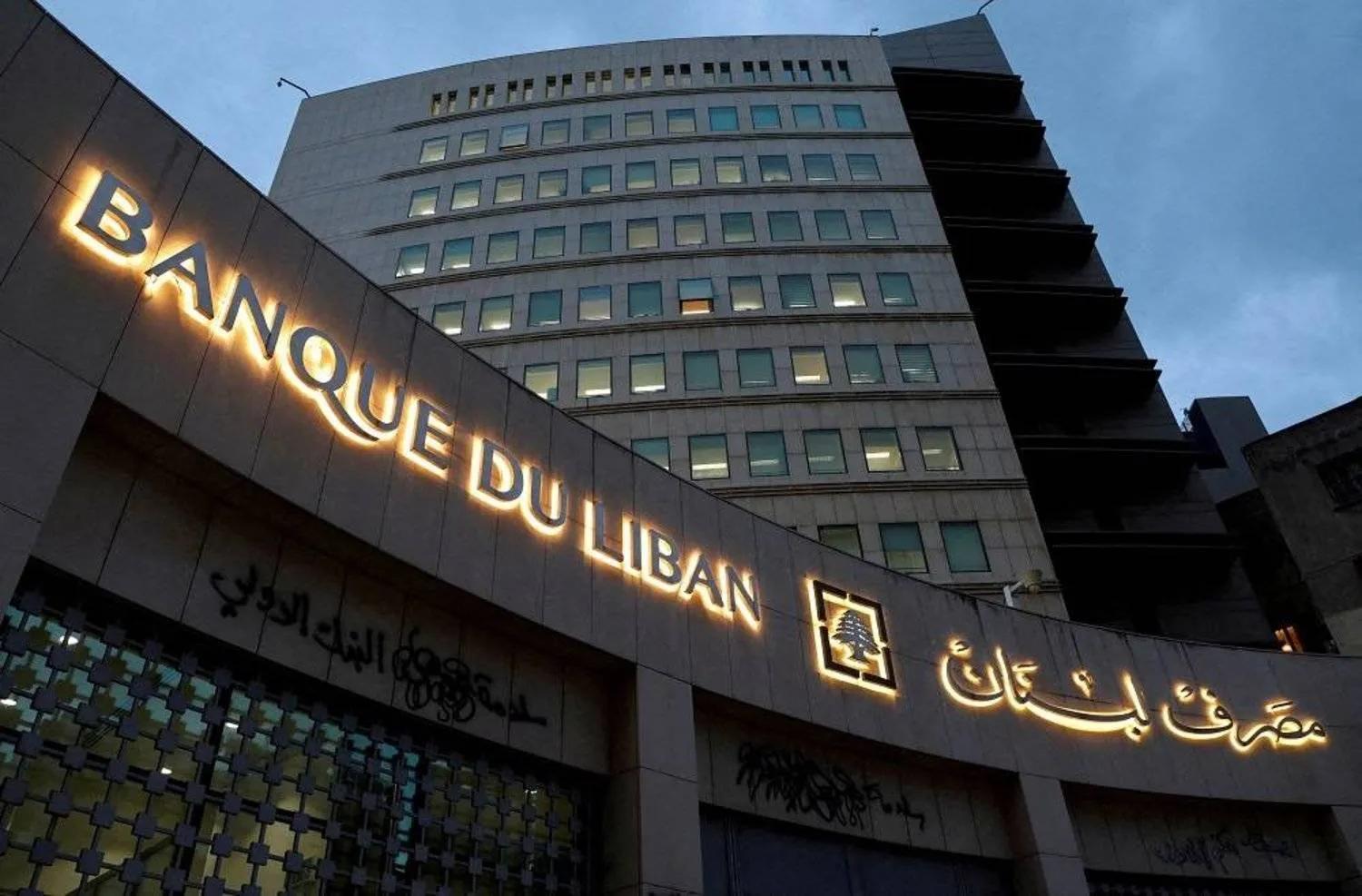
The IIF also identifies Lebanon’s banking crisis as a major obstacle to sustainable recovery. Around $80 billion in bank deposits remain frozen, limiting household consumption, private investment and economic confidence.
The report calls for a transparent banking-sector restructuring process, including liquidating insolvent banks, consolidating viable institutions, protecting small depositors, strengthening supervision and conducting forensic audits.
A Gradual Recovery
The IIF expects Lebanon’s recovery to develop in stages, with reconstruction, investment and tourism initially supporting growth, followed by renewed bank lending, private-sector investment and stronger exports. In the longer term, productivity improvements and innovation would be needed to sustain expansion.
The report also highlights weaknesses in Lebanon’s statistical system, including outdated national accounts, delayed fiscal reporting and incomplete balance-of-payments data. It argues that improving statistical capacity is essential for stronger economic policymaking and greater transparency.