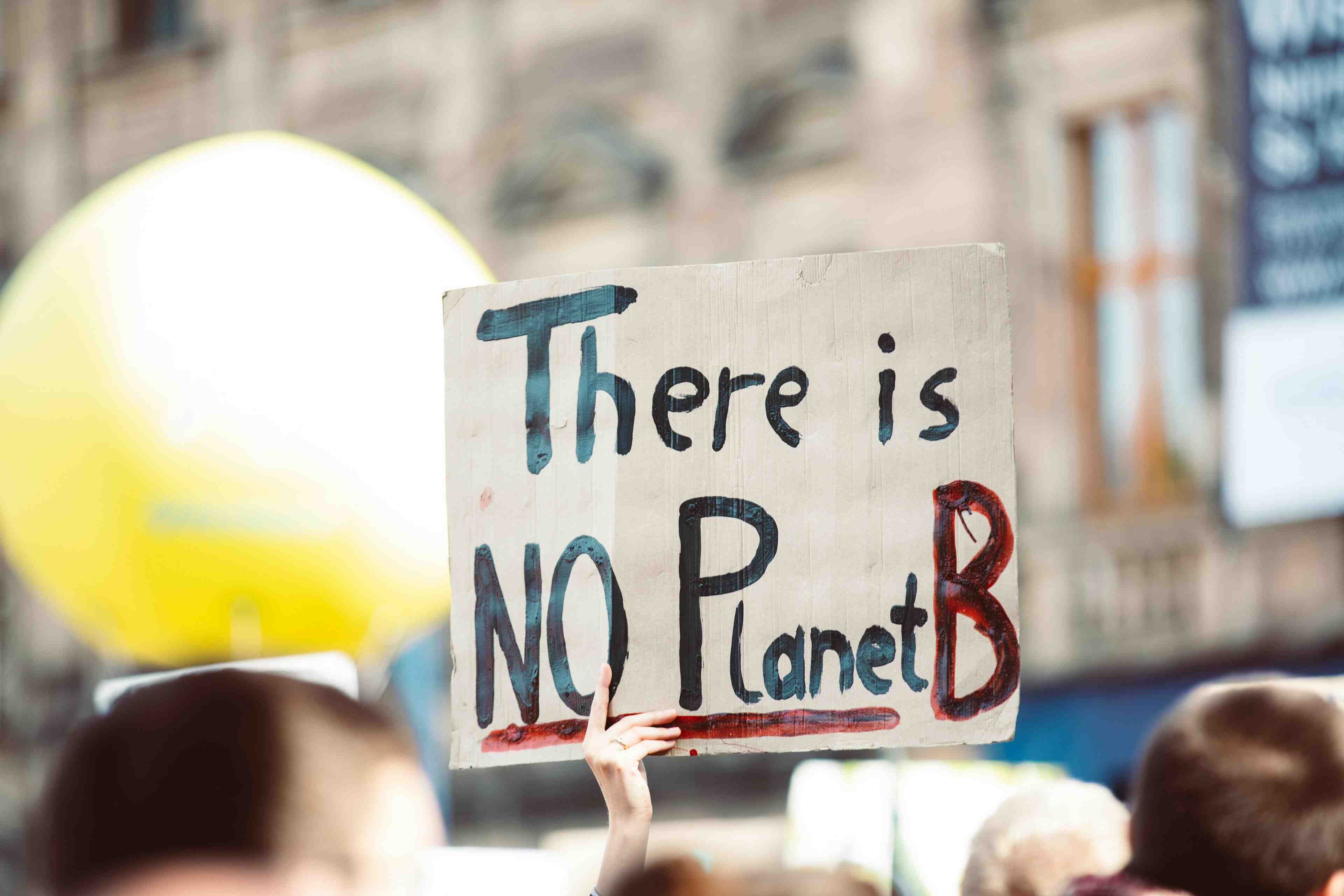




Global – The United Nations has emphasized that involving youth in decisions related to climate, peace and security has become essential to strengthening communities’ ability to withstand crises, particularly in fragile and conflict-affected settings where the impacts of climate change intersect with economic, social and political challenges.
According to the United Nations Development Programme (UNDP), in a report published on 11 August 2026, nearly 700 million youth live in fragile and conflict-affected settings, leaving them particularly vulnerable to the impacts of climate change. These include disruptions to education and employment, fewer opportunities for a secure future, and increased exposure to violence and exploitation.
UNDP noted that youth are not simply on the sidelines of these challenges. Instead, they are developing practical solutions that bring together innovation, climate action and peacebuilding.
Youth Innovation in the Face of Climate Challenges
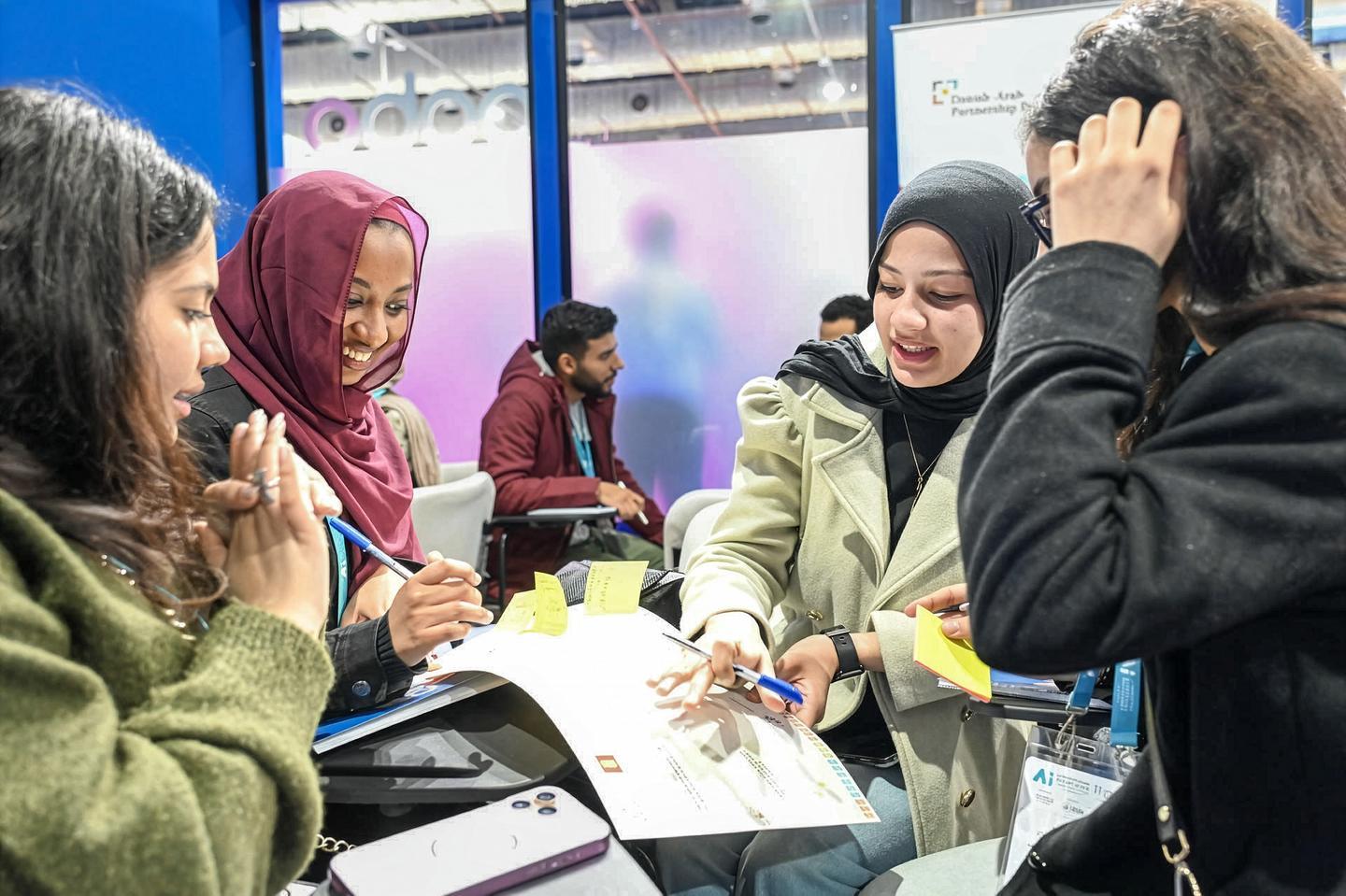
In Egypt, youth took part in the Twin Transition Ideation Bootcamp, led by UNDP in Cairo. There, two participants, Nour Bahgat and Mohammed Al-Hedewy, developed RESILIA, an AI-enabled concept designed to help safely harvest floodwater and address the country’s growing water stress.
A total of 35 young Egyptians participated in the bootcamp, where they developed their ideas through training in entrepreneurship, human-centred design and artificial intelligence, drawing on challenges affecting their communities.
From Vulnerability to Resilience
UNDP highlighted that climate shocks do not occur in isolation in conflict-affected communities. Floods and droughts can reduce agricultural production and incomes while placing additional pressure on land, water and essential services, weakening local economies and the social ties that help communities withstand crises.
In South Sudan, a peacebuilding and preventing violent extremism programme supported by UNDP and the Government of Korea helped Mary Aliet Majook, a former combatant, reintegrate into her community through entrepreneurship training and climate-resilient agriculture.
Majook joined a women’s cooperative and received training in climate-resilient farming, enabling her to grow vegetables despite the region’s volatile cycles of flooding and drought.
Giving Youth a Voice in Decision-Making
UNDP stressed that whether climate pressures lead to cooperation or conflict depends, to a significant extent, on whose voices are heard in decision-making processes.
In Tanzania, the Dumisha Amani II initiative is creating opportunities for youth to participate in climate adaptation, community life and peacebuilding. More than 400 youth have been trained as peace champions, with women and girls accounting for 60 percent of participants, to promote dialogue and help resolve local disputes.
The initiative also provides ICT-equipped youth centres, climate-smart livelihood opportunities in agriculture and fishing, and vocational training in fields including electrical installation, plumbing and carpentry.
Reliable Information as a Tool for Peacebuilding
The programme also warned that misinformation, disinformation and hate speech can deepen divisions during crises, at a time when communities need trust and cooperation to respond effectively to climate-related risks.
UNDP highlighted the experience of Joyce Horkos, a 23-year-old Lebanese storyteller who participated in a UNDP-supported programme that provided training in fact-checking, hate-speech awareness, climate storytelling and mobile journalism.
Horkos joined 50 students in the training and later contributed to fact-checking efforts during a period of escalation. She also received an award for her work in climate storytelling.
The experiences highlighted by UNDP demonstrate the importance of giving youth a meaningful role in decisions that affect their futures and communities. Their understanding of local challenges, combined with their capacity to innovate, lead and collaborate, can open new pathways towards more resilient and peaceful communities.