


WORLD - The world is on course to exceed the 1.5°C global warming threshold within the next few years, with the United Nations Environment Programme (UNEP) warning that this could intensify rapidly unless governments accelerate emissions cuts and adaptation measures.
In its 2026 report, “Limiting Overshoot: Navigating exceedance of 1.5°C and pathways towards return,” UNEP says global action to reduce greenhouse gas emissions has not been fast enough to prevent the world from crossing the long-term temperature goal established under the Paris Agreement.
The report stresses, however, that crossing 1.5°C does not mean climate action has failed or that future warming is fixed. Instead, the focus must shift toward limiting how far temperatures rise above the threshold, how long they remain there and whether global warming can eventually return below 1.5°C.
1.5°C Likely to Be Exceeded
Human-induced global warming is now approaching 1.4°C above pre-industrial levels, according to UNEP. Global temperatures have been rising at about 0.25°C per decade, while the World Meteorological Organization has estimated a three-in-four chance that the average temperature for 2026–2030 will exceed 1.5°C.
UNEP estimates that only about 130 billion tonnes of carbon dioxide can be emitted from 2026 onward for a 50% chance of limiting warming to 1.5°C. Yet fossil fuels and industry alone produced around 40 billion tonnes of CO₂ in 2024, meaning the remaining carbon budget could be exhausted in roughly three years at that rate.
Even if governments fully implement their current national climate plans and additional net-zero commitments, the report estimates that global warming could peak at around 1.8°C.
Under current policies, median warming is projected to reach approximately 2.6°C by 2100, with a range of 1.9°C to 3.6°C.
Overshoot Will Carry Lasting Risks
UNEP warns that a world above 1.5°C cannot be considered safe. Higher temperatures are expected to increase risks to ecosystems, food and water supplies, infrastructure and human health.
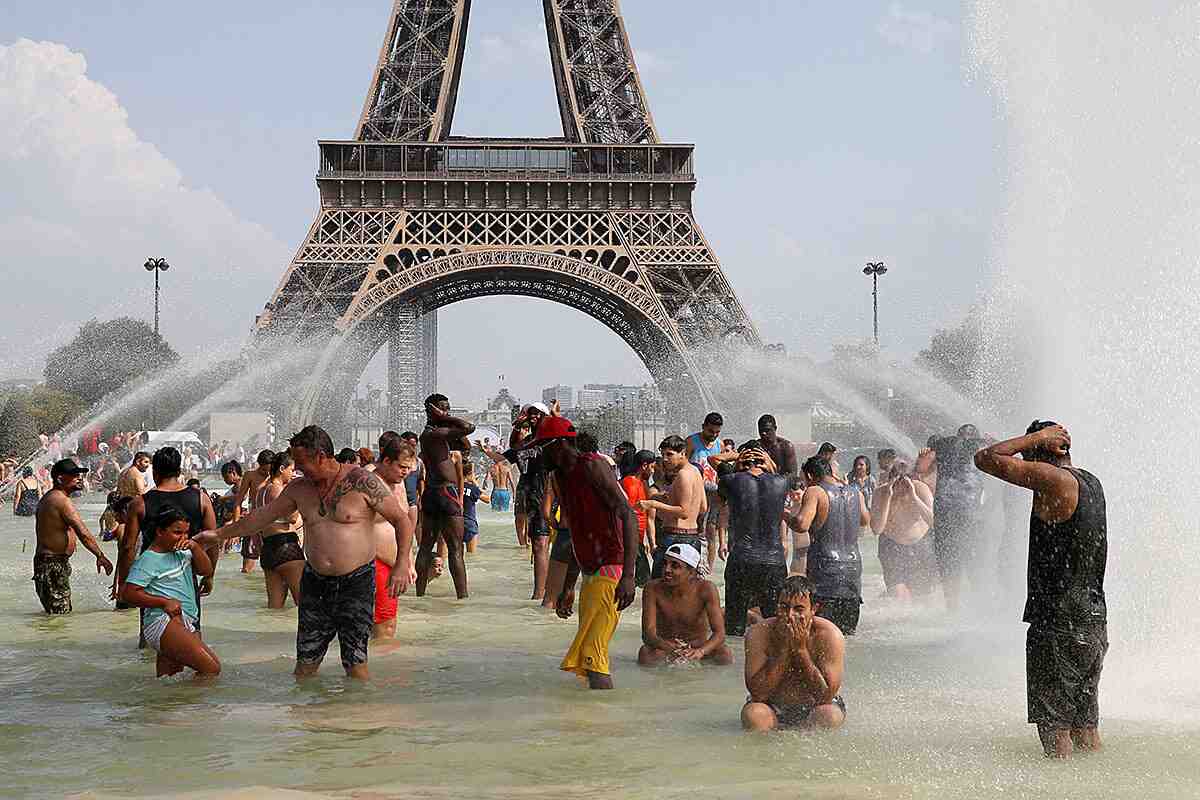
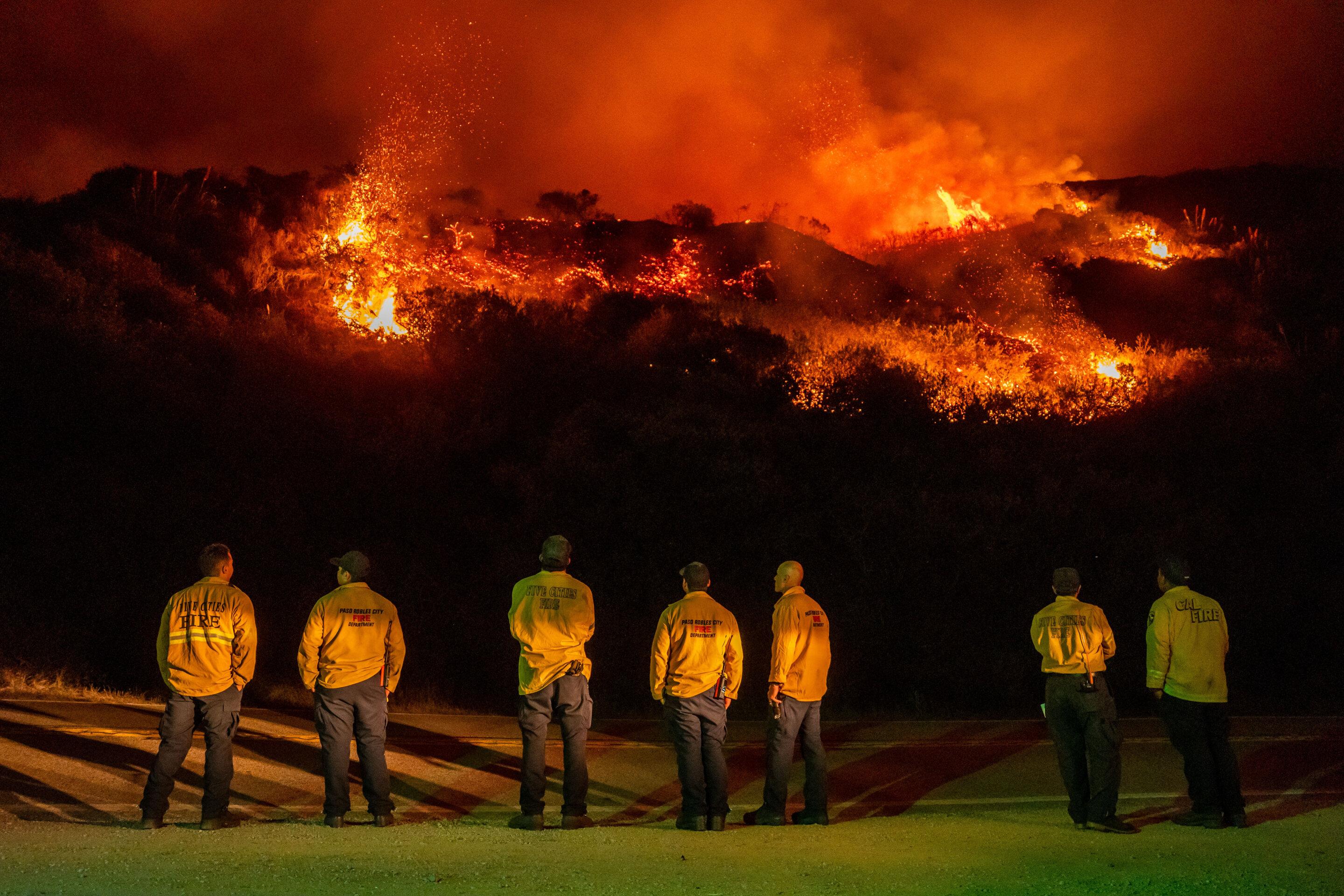
The report points to faster sea-level rise, worsening heatwaves and wildfires, accelerating glacier and ice-sheet loss and increasing pressure on coral reefs and other vulnerable ecosystems.
More than 80% of tropical coral reefs experienced bleaching events between 2023 and 2025, with mass coral bleaching recorded across at least 83 countries and territories.
Without effective adaptation, global food production could decline by as much as 14% by 2050, while rising temperatures could contribute to increased illness, deaths and pathogen spillover risks. Low-lying cities and Small Island Developing States are expected to face particularly severe consequences.
Returning Below 1.5°C Remains Possible
UNEP says reversing warming after an overshoot is theoretically possible, but would require sustained global net-negative CO₂ emissions over decades to centuries, alongside deep reductions in methane emissions.
That would involve rapidly cutting greenhouse gas emissions while scaling up carbon dioxide removal. However, UNEP cautions that achieving carbon removal and methane reductions at the required scale remains uncertain.
The report therefore divides the response into three overlapping phases: immediate action to slow warming and protect vulnerable populations; a period of coping and containment involving stronger resilience and deep decarbonization; and a longer-term phase combining continued adaptation with net-negative CO₂ emissions.
Every Fraction of a Degree Matters
UNEP emphasizes that overshoot is a process, not a single event. Its consequences will depend on the peak temperature reached, the length of time temperatures remain above 1.5°C and the ability of societies and ecosystems to adapt.
The report concludes that mitigation and adaptation can no longer be treated as separate or sequential priorities. Both must advance simultaneously, with decisions taken today determining how severe the eventual overshoot becomes and whether a return toward 1.5°C remains possible.