



LEBANON - Lebanon’s draft budget for 2027, which projects total government spending of about $6.87 billion, has renewed questions over whether planned allocations are sufficient to address the country’s deepening education crisis.
Submitted by Finance Minister Yassine Jaber to the government at the end of August, the draft budget puts revenues and expenditures at around LL614.95 trillion each, representing a 14.2% increase from the 2026 budget. The draft is balanced and does not project a deficit.
The education sector is among the largest spending categories, with the Ministry of Education and Higher Education allocated about LL64.54 trillion, equivalent to roughly $721 million, or 10.5% of total spending, according to an analysis of the draft budget.
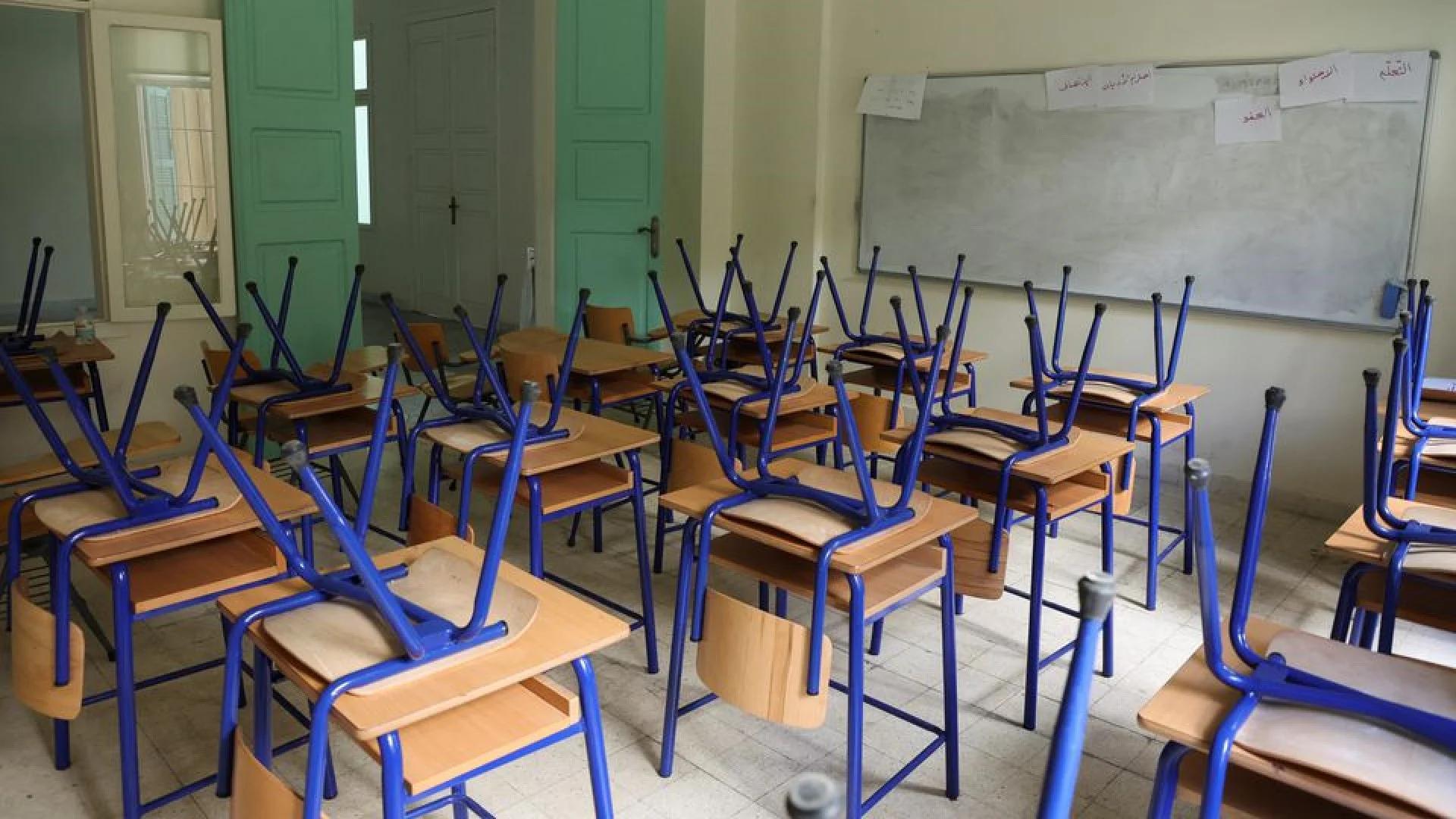
However, the increase comes as Lebanon’s education system continues to face the effects of years of economic crisis, school closures, teacher strikes, displacement and damage to educational infrastructure.
A Widening Learning Crisis
The World Bank has previously warned that Lebanon’s education system was already facing serious learning challenges before the current crisis. Lebanese students were estimated to complete an average of 10.2 years of schooling, but when adjusted for actual learning, this amounted to only 6.3 years of effective learning.
Public-school students also experienced major disruptions during the years following the 2019 economic crisis. According to the World Bank, children in public schools received approximately 270 days of in-person teaching out of the 600 days expected across four academic years from 2019-20 to 2022-23.
Teacher strikes, driven largely by the deterioration of salaries and purchasing power, further disrupted learning. UNICEF has previously warned that prolonged school closures have had lasting consequences for children’s learning and well-being.
The latest conflict has added another layer of pressure. A nationwide assessment conducted by the Ministry of Education and Higher Education in June, with UNICEF support, found that 340 schools had been damaged, including 17 that were completely destroyed. UNICEF warned in July that at least 100,000 children could be left without a classroom when the new academic year begins without urgent repairs.
Funding Teachers and Schools
The draft budget has also drawn attention to the structure of education spending. A recent financial analysis comparing the 2026 budget with the 2027 draft found increases across several education categories, including LL1.18 trillion for basic education, LL1.22 trillion for secondary education and LL1.76 trillion for vocational and technical education. Funding for the Lebanese University was also reported to increase by about LL2.72 trillion.
The analysis, however, noted that the increase in basic education spending is concentrated largely in compensation-related allocations. It also found that funding for permanent basic-education employees’ salaries would decline compared with 2026, while allocations for contracted teachers would remain unchanged.
The Public Basic Education Teachers Association has already objected to the draft, saying it does not include the salary increases teachers are seeking and warning that purchasing power remains severely weakened. The association called for substantial salary adjustments beginning in January 2027.
Beyond Keeping Schools Open
The scale of Lebanon’s education needs extends beyond salaries and day-to-day operations. Years of disruption have left the country facing learning gaps, damaged infrastructure and challenges in retaining qualified teachers.
With hundreds of schools damaged during the latest conflict and thousands of children still displaced, education authorities face the additional challenge of restoring classrooms while ensuring that students do not lose another academic year. Reuters reported in early September that more than 340,000 people remained displaced in southern Lebanon, while around 80 public schools were being used as shelters.
The World Bank has repeatedly called for a comprehensive education reform agenda focused on improving learning outcomes, equity and governance, arguing that targeted investment is essential to protect Lebanon’s human capital.
As the 2027 budget moves through government review and eventually toward Parliament, the central question for the education sector will therefore be whether increased allocations can go beyond maintaining basic operations and help finance learning recovery, school rehabilitation and a more sustainable teaching workforce.