







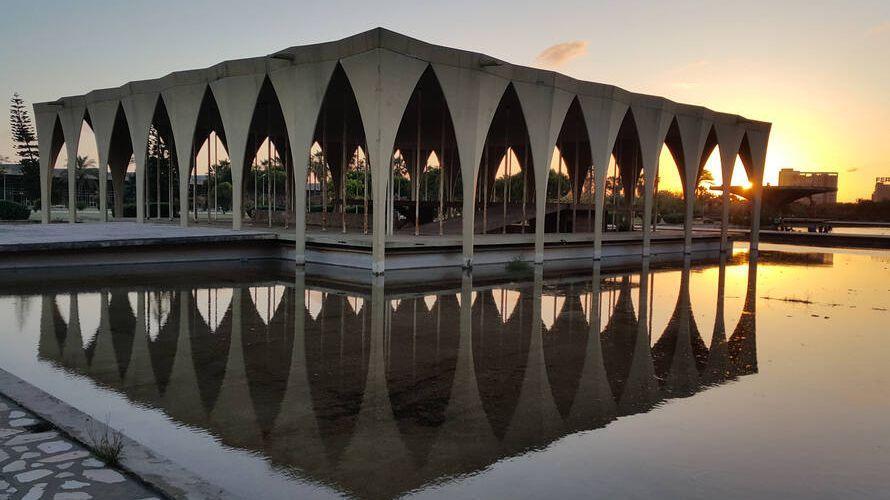
LEBANON — Lebanon has seven sites inscribed on the UNESCO World Heritage List of the United Nations Educational, Scientific and Cultural Organization (UNESCO), reflecting the country’s historical, cultural and natural diversity. Three of these sites, however, face risks that threaten their integrity.
The UNESCO World Heritage List includes around 1,273 sites worldwide, with cultural sites accounting for 77.8% of the list, or 991 sites, natural sites representing 18.9%, or 240 sites, and 42 mixed sites accounting for 3.3%.
In Lebanon, four sites were inscribed on the World Heritage List in 1984: the Ancient City of Tyre, Anjar, Baalbek and Byblos.
Ouadi Qadisha (Holy Valley) and the Cedars of God were added to the list in 1998, while the Rachid Karami International Fair in Tripoli was inscribed in 2023.
In 2026, the Castles of Jabal Amel were added to the World Heritage List, bringing the total number of Lebanese sites on the list to seven.
Three Lebanese sites are included on the List of World Heritage in Danger: the Ancient City of Tyre, the Rachid Karami International Fair, and the Castles of Jabal Amel.
The inscription of these sites highlights the importance of Lebanon’s heritage on the global cultural map, while underscoring the need for continued efforts to protect and preserve them, particularly those listed as being at risk.


