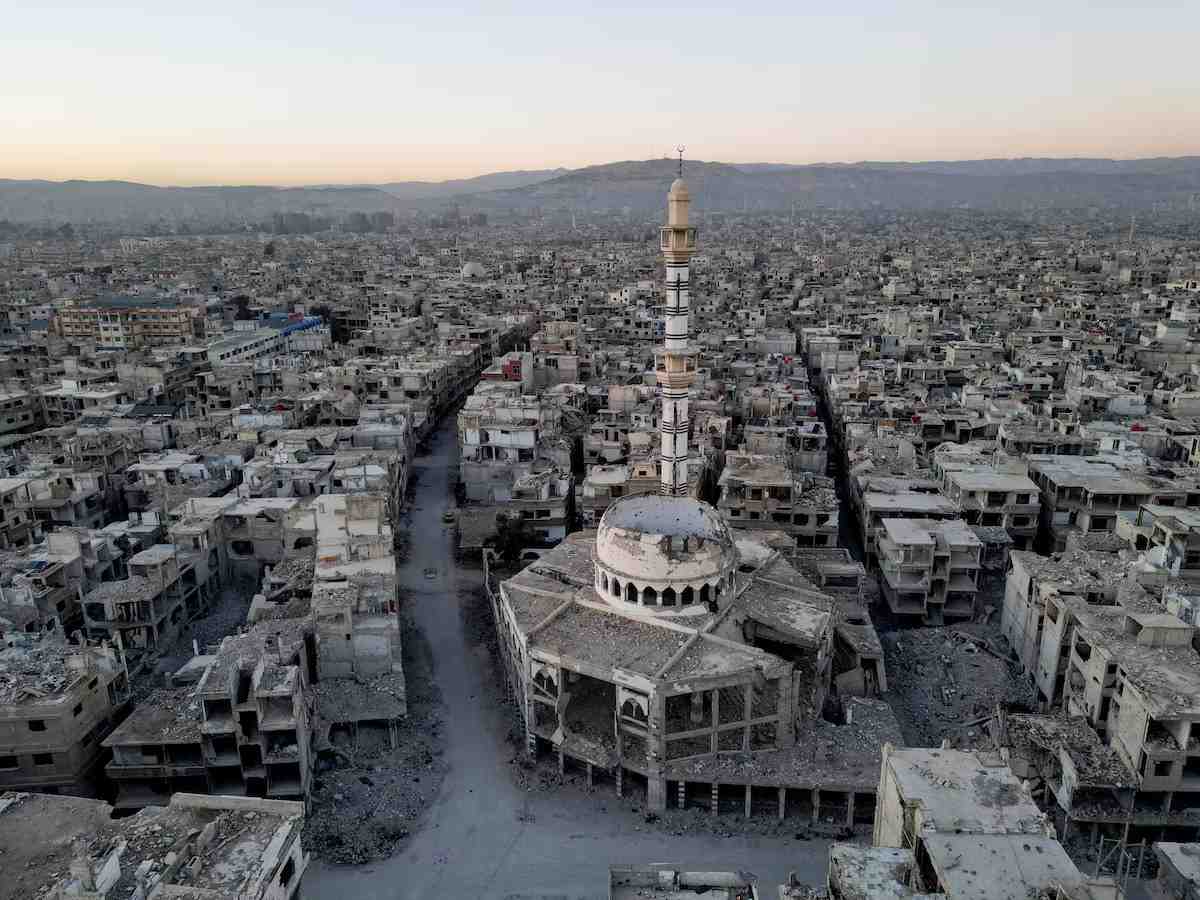


LEBANON - As Lebanon and Syria explore new corridors and reconstruction projects, research suggests their returns depend as much on institutions as on financing. We looked at where those returns tend to be lost, and what it could mean for Lebanon.
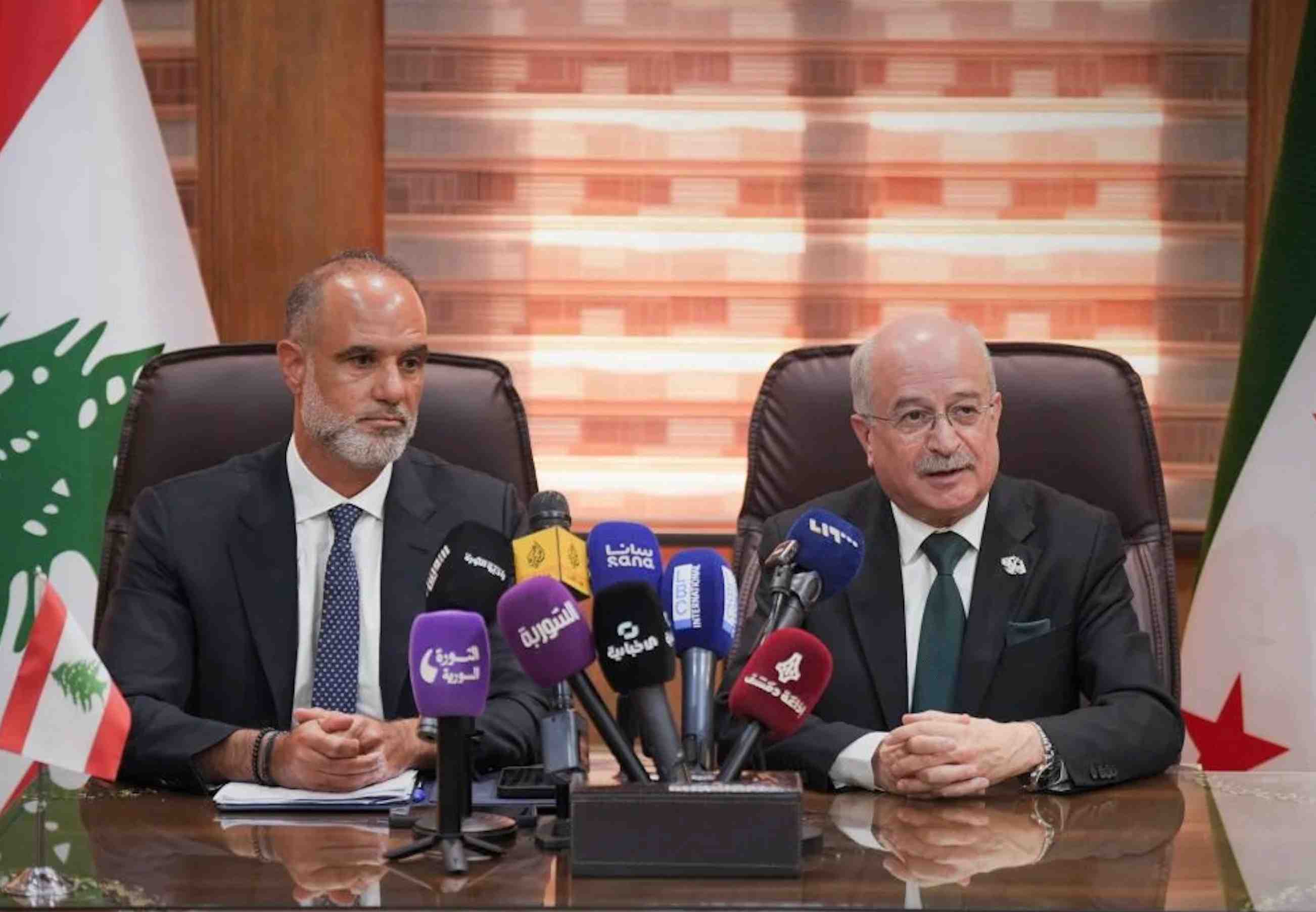
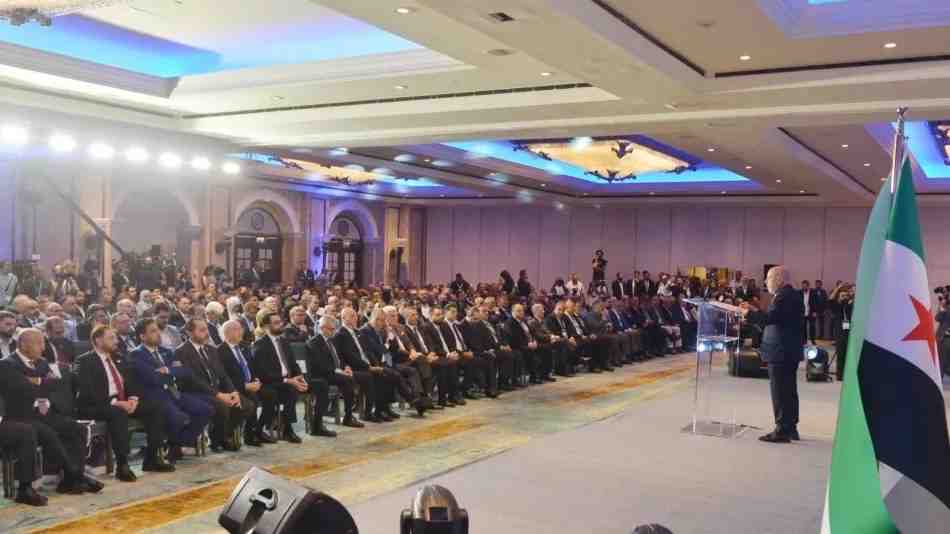
The Lebanese-Syrian Investment Forum, held in Beirut on September 23, covered trade, transport and reconstruction, but one of its most striking points came from officials themselves. Syria's economy minister noted that proximity alone would not deliver integration, pointing instead to efficient border crossings, dependable institutions, and banks able to finance trade. Lebanon's Economy Minister Amer Bisat called for moving from intentions to institutions, then to implementation.
These discussions come at a demanding moment. The World Bank expects Lebanon's economy to contract by 6.4% in 2026, and Finance Minister Yassine Jaber estimates losses since 2023 could reach $20 billion. Large projects are returning to the agenda, including a railway linking Tripoli Port to the Syrian network, which Syria's transport minister says is under study. Financing dominates the conversation, yet another question deserves equal attention: once the money is spent, how much of its value actually reaches the economy?
How Much is Lost Before a Project is Finished?
An IMF study covering 134 countries estimated that, on average, around 30% of the potential value of public investment is lost to inefficiency, with emerging markets losing about 27%. An additional 1% of GDP in public investment lifts output by roughly 0.3 percentage points in the least efficient countries, compared with 0.6 in the most efficient. The losses come from weak project selection, cost overruns and delays. Encouragingly, the same study finds that stronger public investment management could close up to two-thirds of this gap.
What Happens After the Road Opens?
Even well-built infrastructure delivers only as much as the systems around it allow. Djankov, Freund and Pham found that each additional day goods wait before shipping reduces trade by at least 1%, similar to moving a country 70 km farther from its trading partners. For Lebanon's farmers, the stakes are higher, because a single day's delay lowers relative exports of time-sensitive agricultural products by 6%.
This means the gains a new corridor is meant to bring, from lower transport costs to faster access to Gulf markets, can be quietly lost at the border. Every day a truck waits translates into missed sales for exporters, higher costs for importers, and forgone transit and customs revenue for the state.
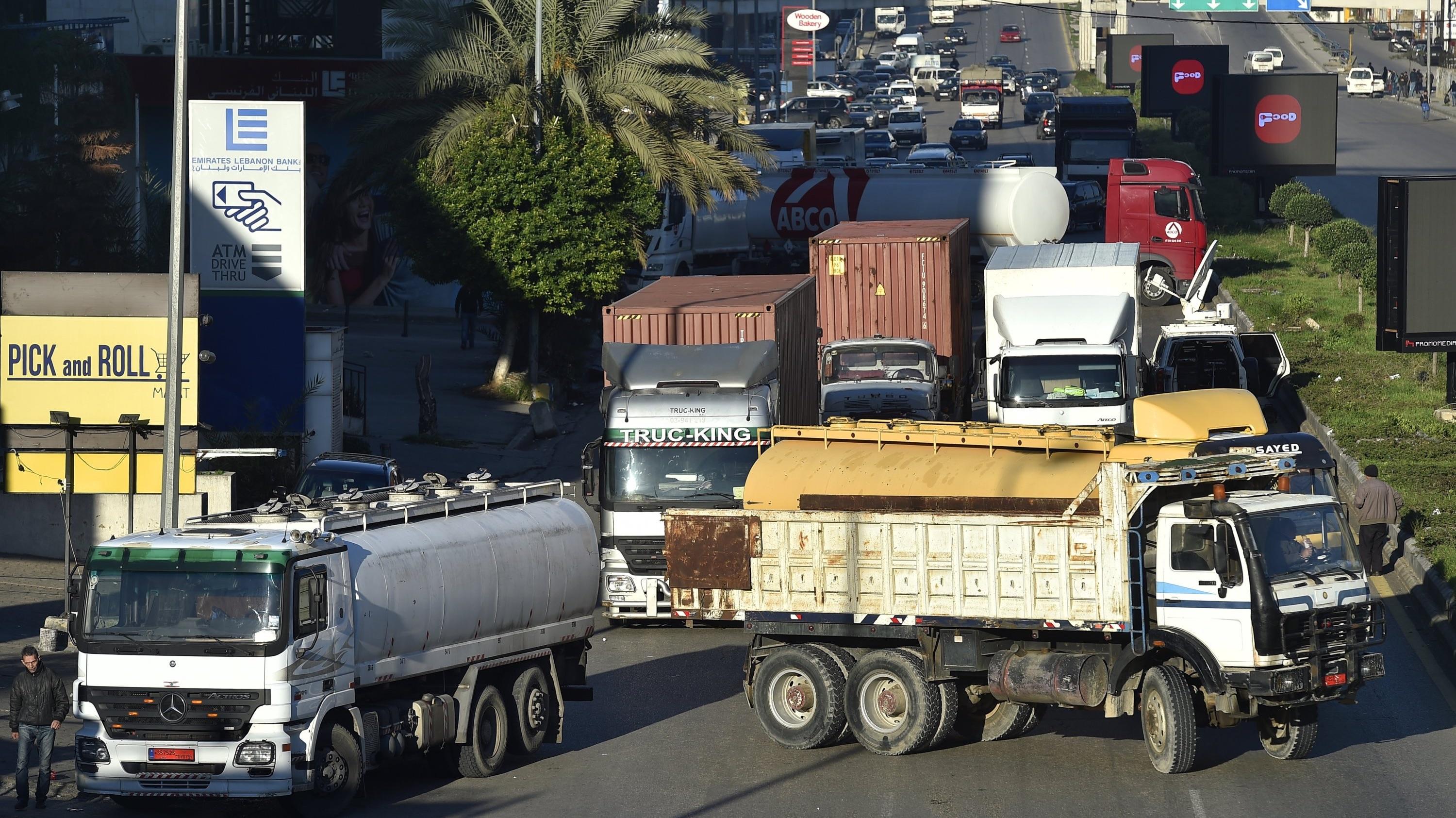
The Masnaa crossing, known as Jdeidet Yabous on the Syrian side, illustrates why this matters. It is currently the only operational land crossing between Lebanon and Syria, and Lebanon's main overland route for trade, agriculture and transit to Arab markets.
More than 300 trucks pass through daily, carrying over 5,000 tonnes of goods, each inspected by several security agencies. In February, the two countries also adopted a temporary mechanism requiring cargo to be unloaded and reloaded at a shared point, adding a step exactly where time is most costly.
What Could This Mean for Lebanon?
The evidence points to three practical steps.
Strengthening the project pipeline early. Many of the losses the IMF identifies happen before construction begins, when projects are selected without proper appraisal or realistic costing. To help governments find these weak points, the IMF developed the Public Investment Management Assessment (PIMA), a diagnostic that reviews 15 institutions shaping how public investments are planned, allocated and implemented. Applied to reconstruction, a tool like this could help flag gaps early. It would work well alongside a public register of projects showing their costs, timelines and appraisal results.
Bringing border efficiency into bilateral talks. Much of the time lost at borders comes from procedures rather than physical infrastructure. Customs data submitted electronically before trucks arrive, inspections targeted at higher-risk shipments, and arrangements that let trucks cross without transferring cargo can all shorten waiting times. Faster clearance, however, must not come at the expense of security.
In practice, the two goals can go together: shared data between Lebanese and Syrian authorities, cargo scanners, and closer coordination among security agencies help identify suspicious shipments more precisely, allowing legitimate trade to move faster. These measures cost far less than new roads or railways, and their benefits could be felt well before any major project is complete.
Measuring corridors by time as well as cost. Large projects like the Tripoli rail link are usually assessed on construction costs and expected traffic. Yet as the research shows, a corridor's value depends on how quickly goods actually move through it. Including expected border clearance times in the project's appraisal would give a more realistic picture of its returns. It would also help ensure the investment comes with the procedures needed to make it pay off.
The forum's message was that geography can become an opportunity. The research adds a useful point: how large that opportunity turns out to be will depend on the institutions that manage and move what gets built.