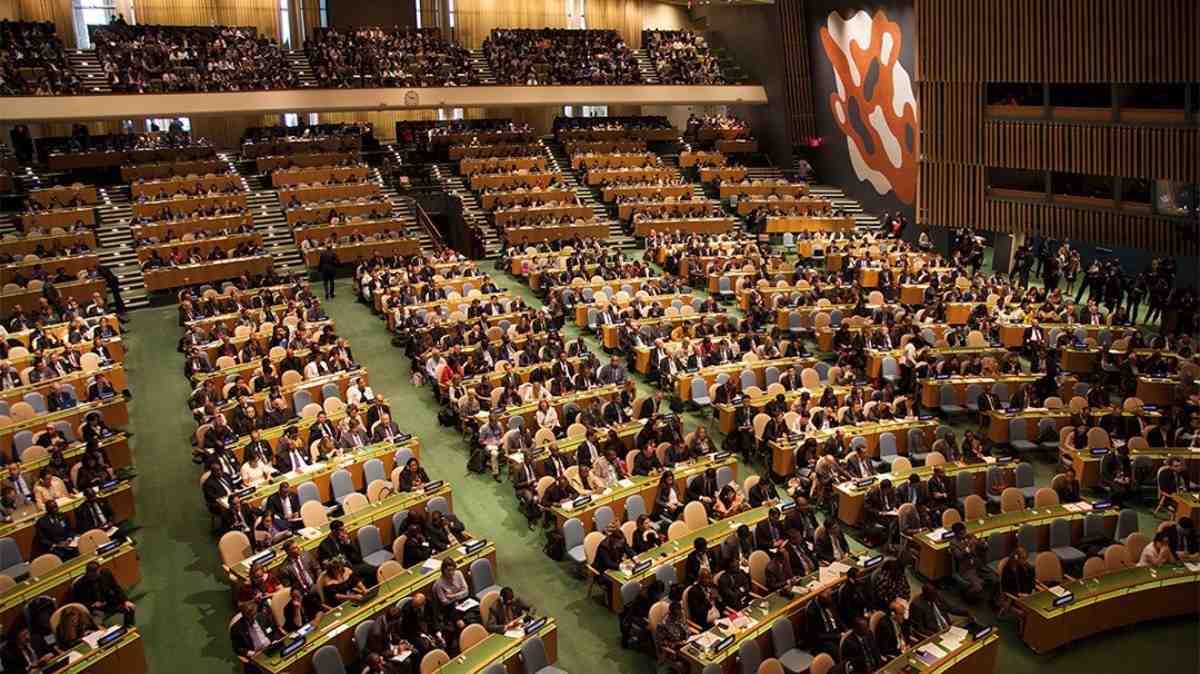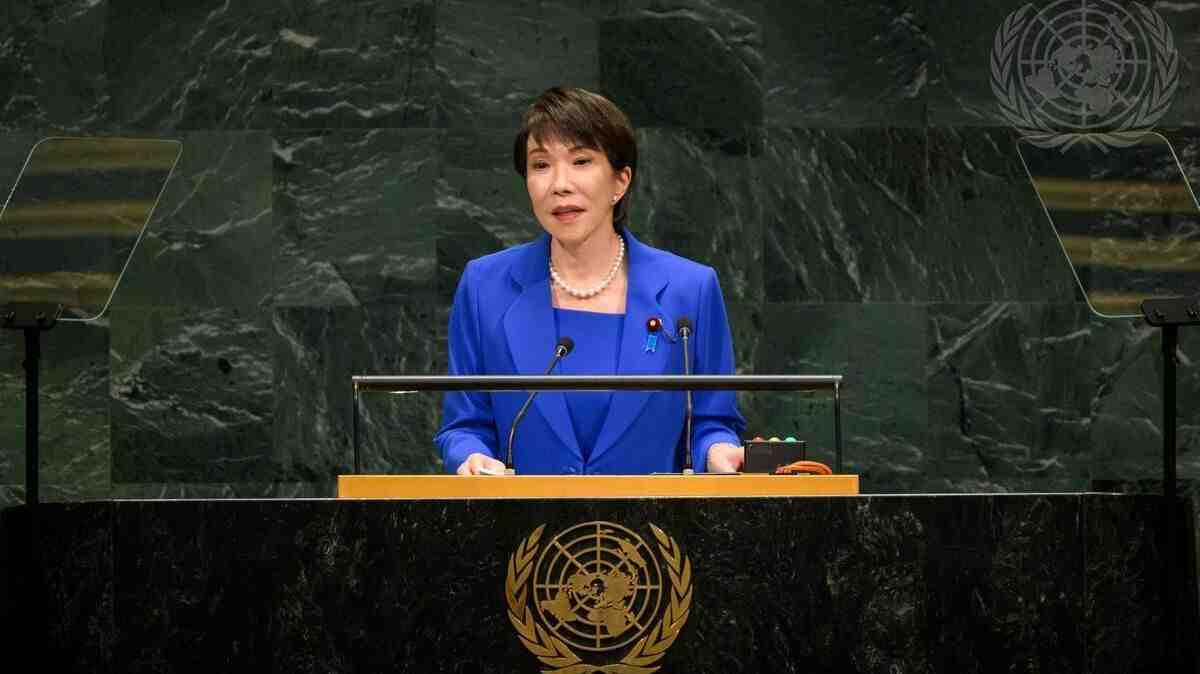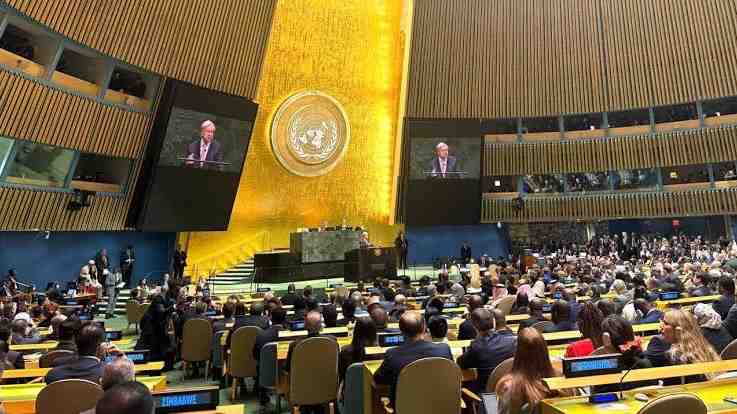




AMERICA - As the General Debate of the 81st United Nations General Assembly continued this week, countries expanded discussions on sustainable development to focus on the infrastructure, financing, technology and resilience needed to respond to global challenges.
Beyond artificial intelligence, climate and development themes already highlighted during the opening day, addresses and high-level meetings brought greater attention to digital inclusion, industrial development, climate adaptation, food security, development finance and the protection of children in the digital environment.
Digital Inclusion and the Next Generation
Technology discussions at UNGA 81 increasingly moved beyond artificial intelligence itself to the question of who can access and benefit from digital tools.
Vietnamese General Secretary and President To Lam called for greater support for developing countries to strengthen digital infrastructure and technological capacity, linking innovation and digital transformation with economic development. He also emphasized cooperation on science, technology and innovation.
Kenya similarly highlighted the importance of ensuring that African countries participate more fully in the digital economy.
The issue of children also emerged as a distinct technology concern during UNGA week. France, Kenya, Australia and Spain advanced a 2026–2027 international roadmap on children's rights and protection in the age of AI, covering areas including safety and privacy by design, accountability, AI-generated child sexual abuse material and deepfakes, and AI literacy.
Technology, Industry and Economic Transformation
Several countries connected technology with the ability of developing economies to build productive capacity and move toward higher-value economic activity.
Vietnam presented science, technology, innovation and digital transformation as important drivers of productivity and economic development, while also calling for greater international cooperation and support for developing countries.
Kenya has similarly promoted investment in value-added production and a stronger African industrial base, particularly in areas connected to climate-smart agriculture and green industries.
The broader discussion therefore went beyond technology adoption to a question of whether countries have the infrastructure, skills, financing and industrial capacity needed to create economic value from technological change.
Climate Adaptation and Resilient Communities
Climate discussions during UNGA 81 placed significant attention on adaptation and the consequences already affecting vulnerable communities.
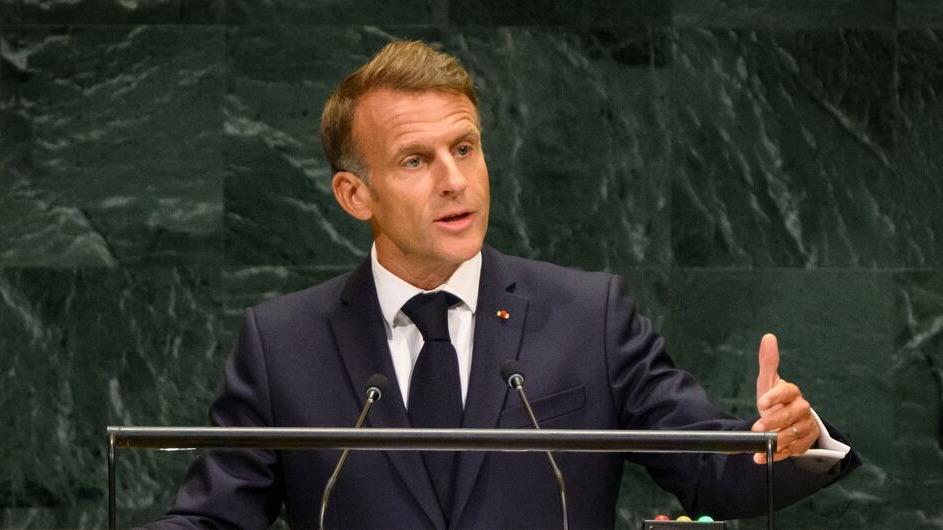
France highlighted rising sea levels as an immediate development challenge, pointing to the relocation of around 600 residents of Miquelon, a French territory, because of coastal risks. Macron also called for greater cooperation among cities and regions affected by sea-level rise and emphasized the importance of science and local communities in developing responses.
The General Assembly subsequently held a dedicated high-level meeting on sea-level rise on September 24, focused on strengthening international cooperation and supporting vulnerable developing countries and coastal communities in building resilience and adapting to its effects.
Australia has also highlighted Pacific-led climate action, including its support for the Pacific Resilience Facility and climate-resilient infrastructure, while emphasizing the particular vulnerability of Pacific communities.
Food Security, Energy and Climate Resilience
Food security was discussed as part of the broader relationship between climate resilience, energy and economic development.
Ethiopia has linked climate-resilient agriculture and energy transition with longer-term economic transformation. Its development strategy includes climate-resilient agricultural practices, renewable energy and efforts to strengthen resilience across sectors.
Kenya has similarly argued that climate action can support economic growth through areas including climate-smart agriculture and green industrial development, while calling for greater access to affordable climate finance.
Australia's Pacific cooperation provides another practical example, with Australian-backed renewable-energy projects in Palau designed to reduce diesel dependence while strengthening energy resilience.
Financing the Development Transition
Financing remained an important underlying issue across these priorities.
Vietnam called for developing countries to have greater access to long-term, affordable financing and for international cooperation to support development, technology and infrastructure.
Kenya has also called for reforms that reduce financing costs for African countries and increase access to climate and development finance, arguing that expensive capital can constrain investment in infrastructure and economic transformation.
These concerns are particularly relevant as countries seek to finance digital infrastructure, climate adaptation, energy transitions and other long-term development projects.
Humanitarian Needs Remain Part of the Development Picture
Humanitarian concerns also remained prominent during the UNGA week.
In remarks on September 24, UN Secretary-General António Guterres said that the resumption of assistance following the October 2025 ceasefire had brought some relief in Gaza, but that conditions remained intolerable. He cited continued deaths, restricted humanitarian access and shortages of food and shelter, while calling for stronger support for UNRWA.
The issue also featured in Guterres' opening General Debate address, in which he called for humanitarian aid to flow and highlighted the scale of destruction and civilian suffering in Gaza.
French President Emmanuel Macron, speaking at the General Debate on September 22, warned that the international community's credibility was at stake if it remained inactive in the face of the humanitarian situation in Gaza.
A Broader View of Sustainable Development
Taken together, the later discussions at UNGA 81 added practical dimensions to the development agenda already discussed during the opening day.
Digital infrastructure, children's safety online, industrial capacity, climate adaptation, food and energy resilience, and affordable development finance emerged as interconnected priorities.
The discussions suggest that sustainable development is increasingly being framed not only around long-term targets, but around whether countries and communities have the technology, infrastructure, financing and capacity to withstand disruption and participate in future economic opportunities.