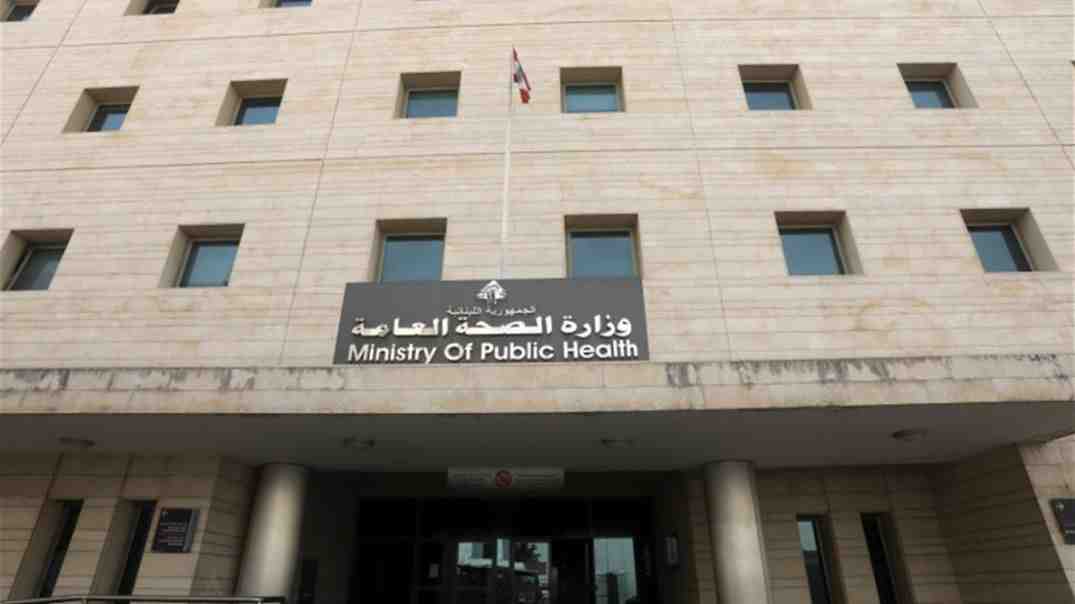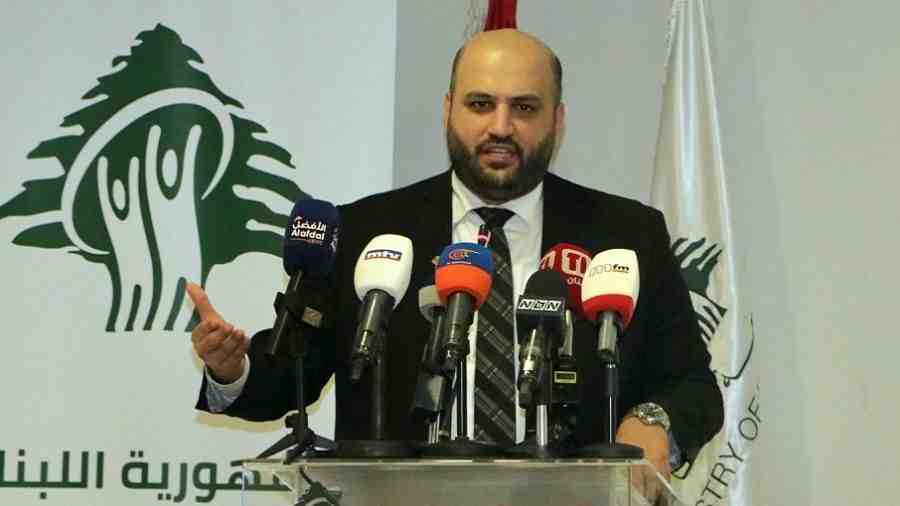


LEBANON — Minister of Public Health Rakan Nassereddine announced the reactivation of organ transplant procedures at the expense of the Ministry of Public Health, stressing efforts to regulate organ donation in Lebanon and strengthen cooperation between the ministry and academic hospitals.
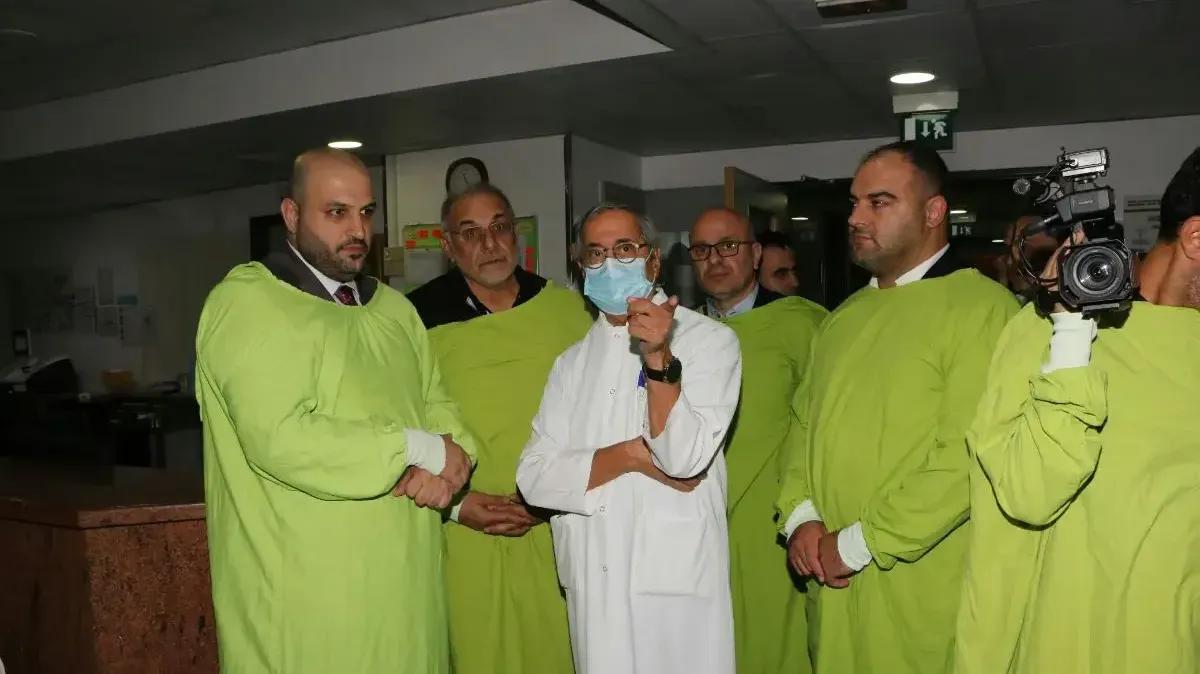
The announcement came during the minister’s visit to Al-Rasoul Al-Azam Hospital in Beirut’s southern suburbs and Saint George Hospital University Medical Center of the Greek Orthodox in Achrafieh. He checked on three patients who underwent organ transplants from a single donor: one heart transplant at Al-Rasoul Al-Azam Hospital and two kidney transplants at Saint George Hospital University Medical Center.
New Committee to Regulate Organ Donation
Nassereddine announced the formation of a committee comprising doctors and representatives of academic hospitals to prepare the implementing decrees needed to regulate organ donation in Lebanon. The committee is expected to hold its first meeting in the coming days.
He confirmed that heart, kidney and liver transplants covered under this framework will be financed by the Ministry of Public Health. He also stressed the ministry’s confidence in Lebanese doctors and hospitals and their ability to develop the health sector and restore Lebanon’s position in the healthcare field despite the challenges facing the sector.
Checking on Kidney Transplant Patients
The minister then visited Saint George Hospital University Medical Center, where he checked on the two patients who underwent kidney transplants in the intensive care unit and reviewed their health conditions.
Nassereddine said his visit to the hospital had two dimensions. The first was to thank the hospital for standing by the Lebanese people during the difficult circumstances the country has experienced.
He also referred to the memorial plaque placed at the hospital’s entrance in remembrance of August 4, describing the day as one of the most difficult days for him as a surgeon.
Highlighting the Importance of Organ Donation
Nassereddine said the second dimension of his visit was related to the kidney transplants, which he said highlight the importance of organ donation in Lebanon from medical, humanitarian and ethical perspectives.
He noted that a person can give life to another after death, adding that the donor in this case gave life to three people through the donation of their heart and kidneys.
He stressed that the law prohibits the disclosure of the donor’s identity, adding, “Our prayers for him are in our hearts and through the patients who will continue their lives after organ donation.”
The health minister concluded by stressing that Lebanon’s health sector, despite the crises facing the country, remains capable of continuing and recovering thanks to hospitals, universities, doctors and all healthcare workers.