LEBANON - As Lebanon moves from war toward recovery, cash assistance has become one of the main tools for supporting vulnerable households, through both national social protection programs and humanitarian aid. Yet the value of that support depends heavily on one factor: inflation. Rising prices reduce what each transfer can buy, and that pressure tends to be stronger where markets are concentrated and competition is limited, a structural challenge in Lebanon's economy.
For a family of four enrolled in AMAN, Lebanon's main cash assistance program, each monthly transfer of $105 raises a simple question: how much will it buy by the time it is spent? This year, the answer has often been less than intended.
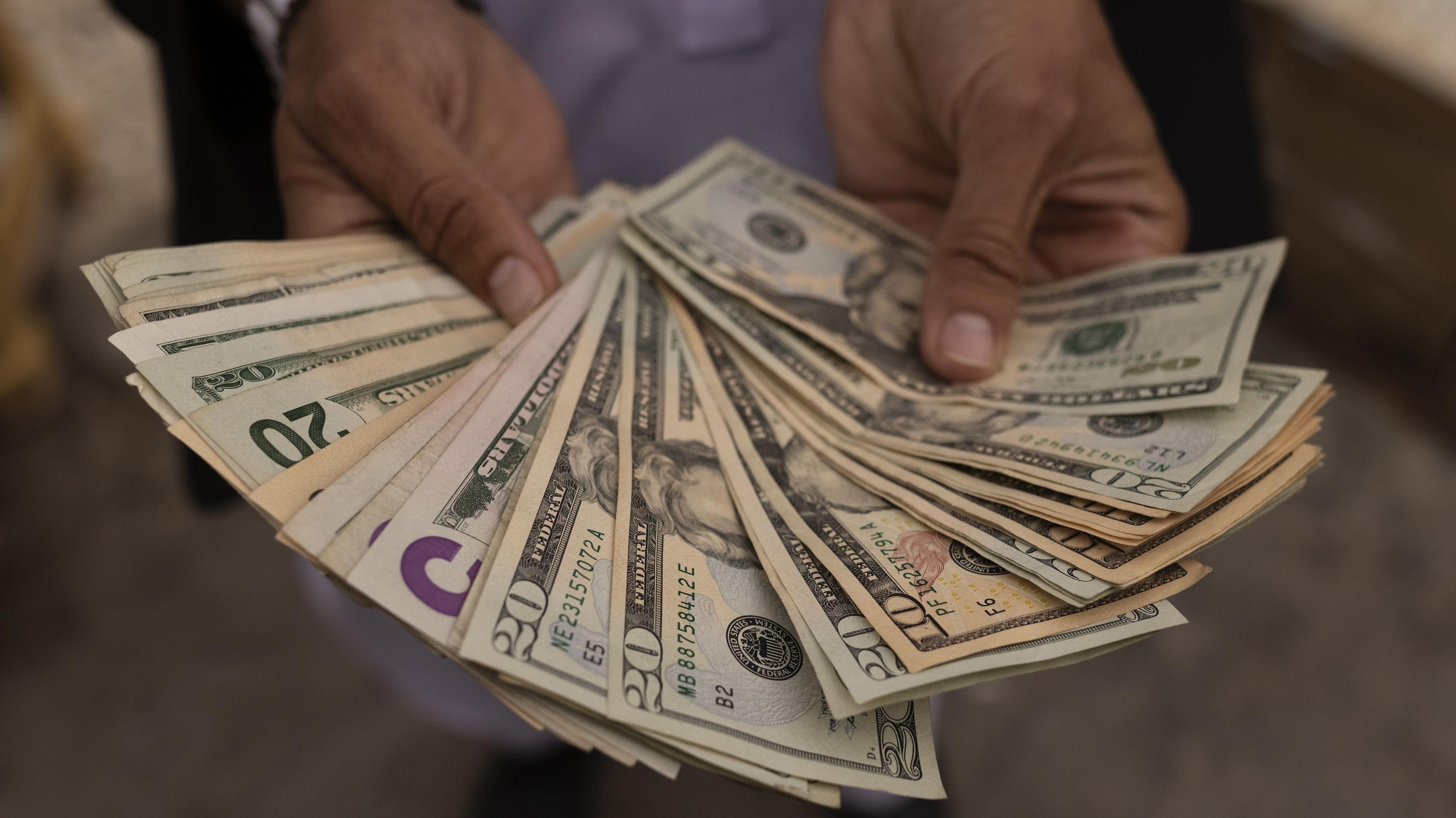
AMAN provides a flat $25 per household plus $20 per member, up to $145 a month, and in April 2025 it reached 159,330 families. Because transfers are paid in US dollars, they are shielded from currency swings. They are not shielded, however, from rising dollar prices.
This is where inflation becomes a direct risk to assistance. After a period of relative calm, supported by dollarization and a stable exchange rate since mid-2023, prices began climbing again as the regional conflict drove up fuel costs. According to the Central Administration of Statistics (CAS), annual inflation peaked at 20 percent in April before easing to 16.7 percent in August. Between February and May, following an increase in AMAN payments, the average transfer rose by about $20.5 per household. Over the same months, headline prices rose 8.6 percent, led by fuel and transport, erasing roughly $12 of a $145 transfer’s value, more than half of the increase. In other words, rising prices quietly undid much of what the higher payments were meant to deliver.
Why markets matter as much as money
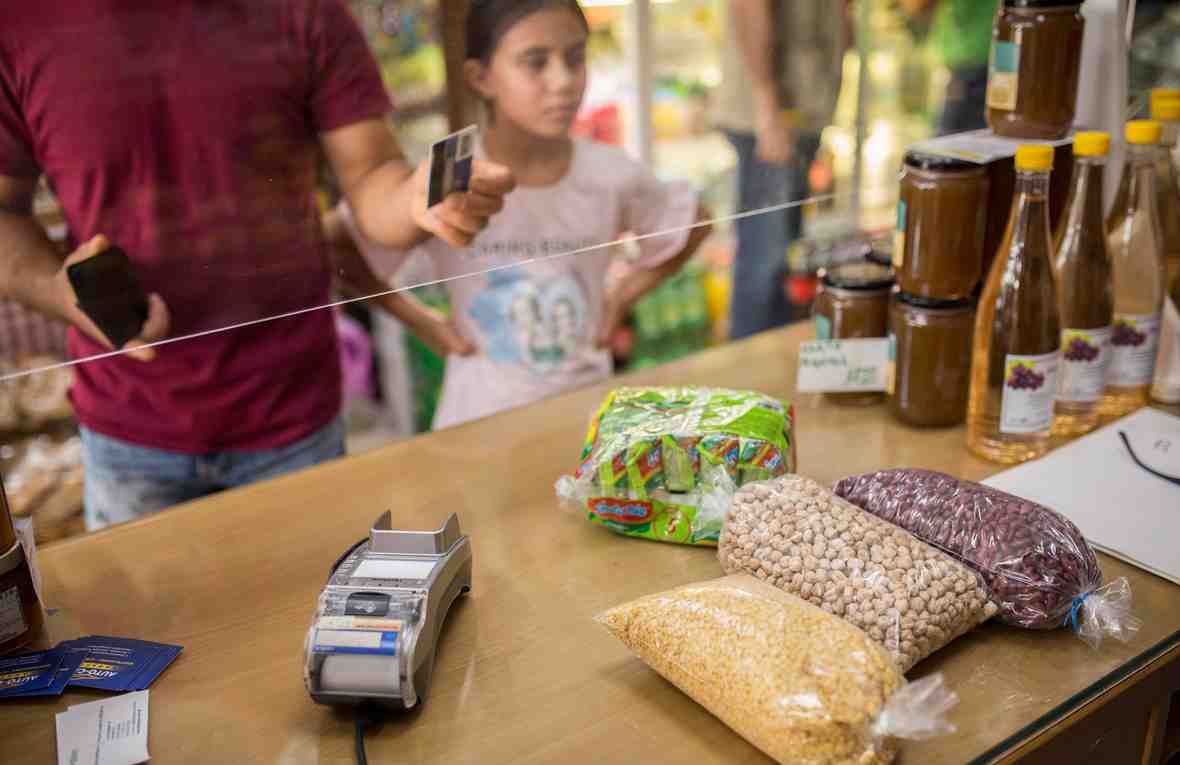
The value of a cash transfer depends not only on its size, but on the markets where it is spent. When many suppliers compete, extra cash is met with more goods and prices stay stable. When only a few suppliers dominate, part of the transfer can be lost to higher prices.
Experiments on opposite sides of the world bring this into focus. In Mexico, researchers randomly assigned villages to receive cash, food boxes, or nothing, and found that price effects were much larger in poorer, more isolated villages with fewer competing shops. In rural Kenya, by contrast, large cash transfers raised local prices by just 0.1 percent, as local businesses expanded to meet demand. For Lebanon, the implication is clear: protecting the value of assistance requires attention to how markets are structured, not only to how much aid is paid.
This brings Lebanon's own market structure into view. The 2022 Competition Law provides for a National Competition Authority to review mergers and market concentration, though the authority has yet to be formed. Its role grows more relevant as supply chains consolidate.
A recent example shows how market structure can shape the value of cash assistance. In 2026, CMA CGM, which operates the container terminals at both Tripoli and Beirut ports, completed its acquisition of Fattal, a leading distributor of consumer goods, pharmaceuticals and cosmetics. A single group now manages both the main entry point for imported goods and one of the largest networks carrying them to shops. Deals like this can cut both ways. Integration can lower logistics costs and improve supply, helping each dollar of assistance go further. It can also increase market concentration, which, if it pushes prices up, would erode the value of cash assistance even further. Assessing such transactions is precisely the role a competition authority is designed to play.
Making every dollar count
Several steps could help protect the value of assistance, building on systems already in place. One concerns delivery. Assistance could be matched to market conditions: cash where competition is strong, and e-vouchers at contracted retailers, as in WFP's network, where it is limited. Regional CAS price data could guide these choices and target top-ups.
Another concerns market oversight. An operational Competition Authority would extend the Consumer Protection Directorate's work upstream to where prices are often set. Economy Minister Amer Bisat’s call in June for the law’s implementing decrees, as reported by Daily Beirut, is an encouraging step. With shared political will to adopt them, appoint the authority's members and equip it to operate, Lebanon can turn an existing law into a working tool for fairer markets.
Together, these measures would link what Lebanon has already built, from its targeting system and price data to its competition law. As social protection takes on a larger role in Lebanon's recovery, competitive markets become part of what makes it work, helping cash assistance retain its full value for the households that rely on it.