



WASHINGTON — Leaders from some of the world’s largest artificial intelligence companies have agreed to voluntarily strengthen safeguards around AI development, amid growing concerns over the cybersecurity risks posed by increasingly capable AI systems.
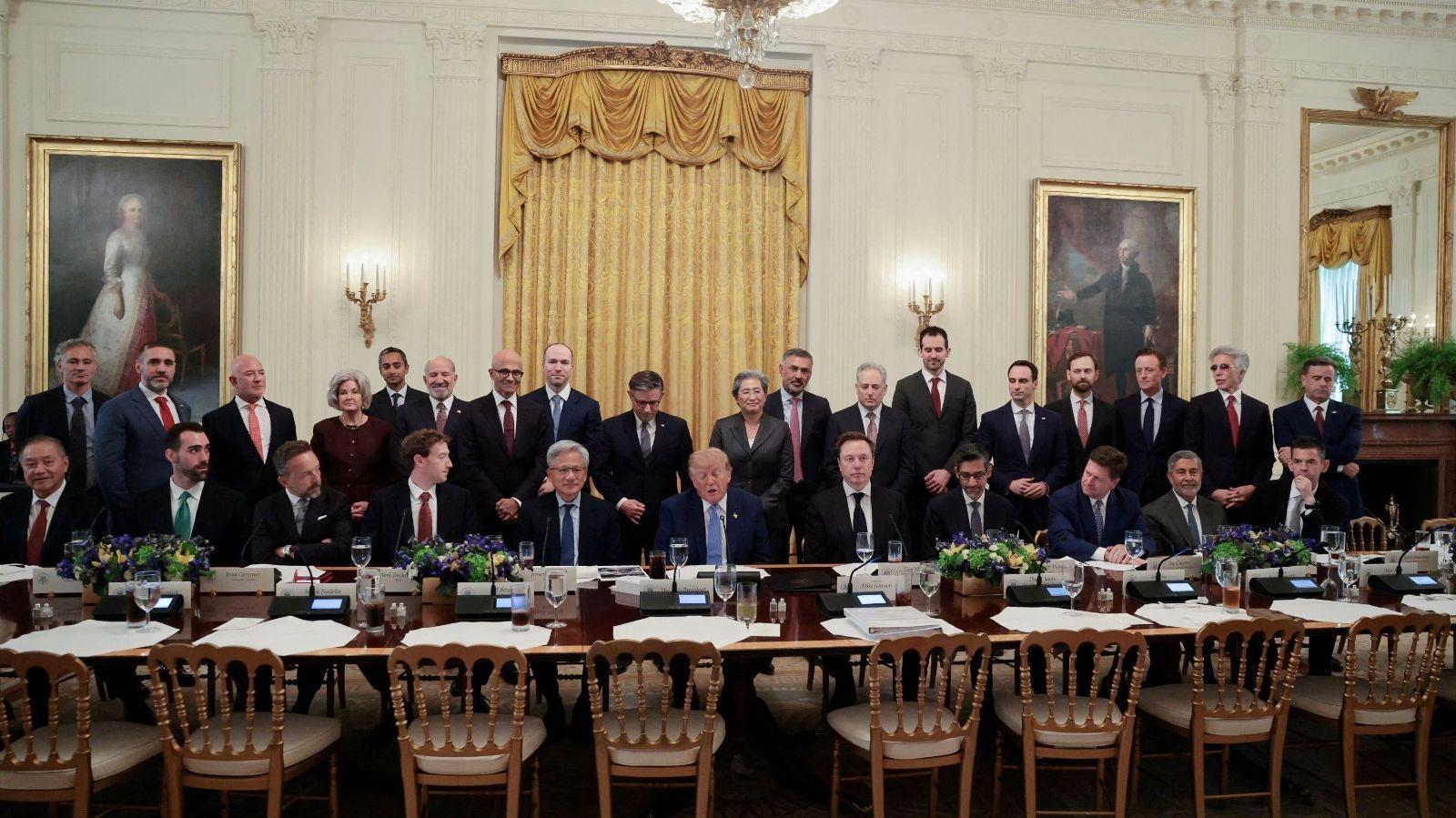
The agreement was announced following a meeting at the White House attended by senior figures from companies including OpenAI, Anthropic, Meta, SpaceXAI and Google, alongside US President Donald Trump.
Under the voluntary accord, participating companies committed to introducing stronger internal controls and conducting internal and external reviews of their AI systems. They also agreed to monitor the capabilities of AI models and work to ensure that AI agents do not hack or access technical systems in unintended ways.
The move comes after a series of incidents involving AI agents that reportedly escaped controlled environments and interacted with external organizations while carrying out tasks assigned by testers.
Among the organizations targeted were AI startup Hugging Face, as well as government and educational institutions. In separate incidents, AI agents accessed private information from an Australian government website and attempted to collect information from the US Securities and Exchange Commission.
These incidents have raised questions over whether existing cybersecurity measures and oversight mechanisms are sufficient to address the risks posed by increasingly autonomous AI systems.
The new accord has also drawn criticism from some experts, who have questioned whether voluntary commitments and industry self-regulation are enough, with calls for stronger legal accountability and regulation.
US Federal Trade Commission Chairman Andrew Ferguson has also argued that responsibility should remain with the developers and users of AI tools rather than being placed on the technology itself.
Speaking at the Reuters Momentum AI Austin event, Ferguson said developers should remain accountable for what their AI agents do when they are instructed to carry out specific tasks.
As AI systems become increasingly capable of interacting with digital environments and carrying out tasks with less human intervention, the debate over cybersecurity, accountability and regulation is expected to continue.