

LEBANON - The ports of Beirut and Tripoli have joined the India-Middle East-Europe Economic Corridor (IMEC) Ports Club, strengthening Lebanon’s institutional links with a regional network focused on trade, logistics, supply chains and port cooperation.
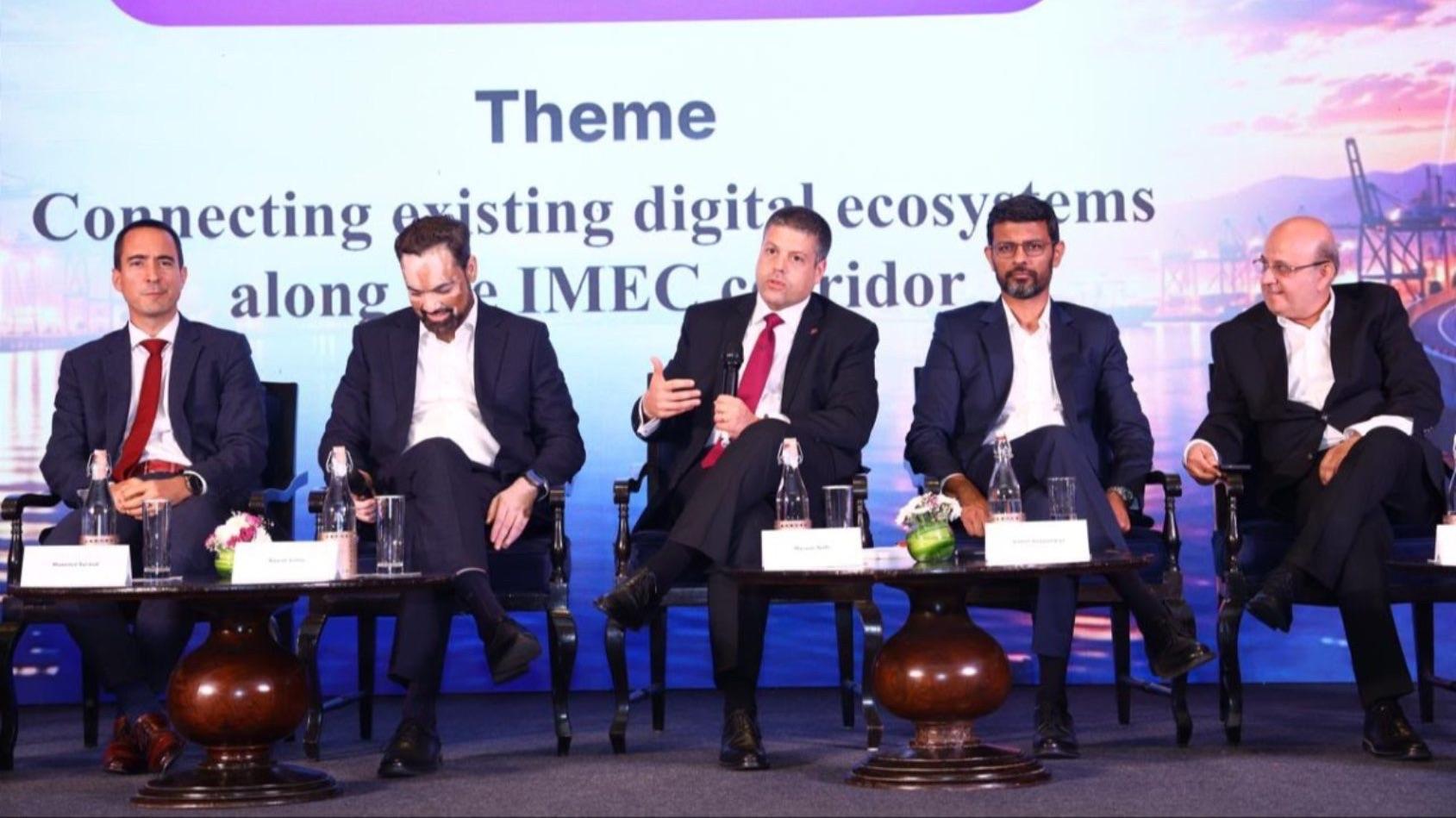
The administrations of the Port of Beirut and Port of Tripoli signed an agreement in New Delhi establishing their participation in the IMEC Ports Club, according to the Port of Beirut.
President Joseph Aoun described the move as an “important institutional achievement” for Lebanon, saying it provides an opportunity to strengthen partnerships and develop the country’s logistics and trade sectors in line with international standards.
“Every step that places our institutions on the path of integration and effective cooperation is a gain for Lebanon and its economy,” President Aoun said.
He added that Lebanon would continue working to build cooperation and strengthen the role of its institutions, describing the agreement reached in New Delhi as a practical step that reinforces Lebanon’s presence on the regional and international cooperation map.
What is IMEC?
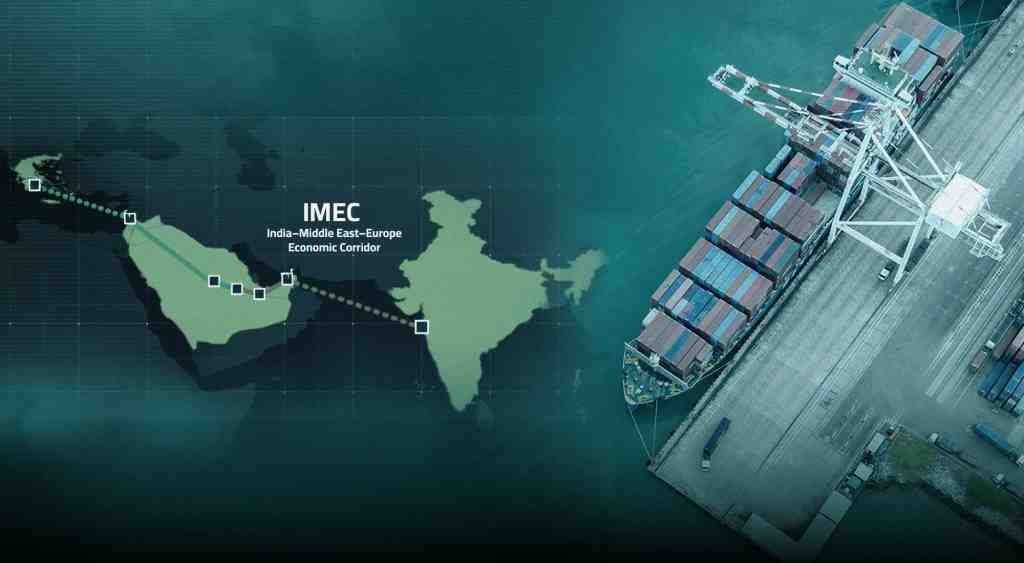
The India-Middle East-Europe Economic Corridor, known as IMEC, is a multinational connectivity initiative announced at the G20 Summit in New Delhi in September 2023.
The original memorandum of understanding was signed by India, the United States, Saudi Arabia, the United Arab Emirates, the European Union, France, Germany and Italy.
The proposed corridor is designed to connect India with the Arabian Gulf by sea and then link Gulf countries with Europe through rail and maritime connections. The agreement also envisages infrastructure for electricity, digital connectivity and clean hydrogen.
The stated objectives include improving transport and trade connectivity, reducing costs and strengthening economic integration between India, the Gulf and Europe.
Lebanon was not an original signatory to the 2023 IMEC memorandum. Its latest participation concerns the IMEC Ports Club, a separate port-level cooperation framework associated with the wider corridor.
IMEC Ports Club
The Ports Club is intended to provide a platform for participating ports to exchange expertise and cooperate on logistics, connectivity and supply-chain development.
Its areas of cooperation include connectivity and supply chains, trade and customs facilitation, energy and decarbonization, and digitalization and data interoperability.
The initiative was developed as a platform for dialogue and cooperation rather than as a new international organization. Its participants can work on practical projects and pilot initiatives aimed at improving cooperation between ports and their surrounding logistics ecosystems.
The initiative also seeks to support more efficient and resilient trade networks and encourage cooperation on the digitalization and sustainability of port operations.
Significance for Lebanon
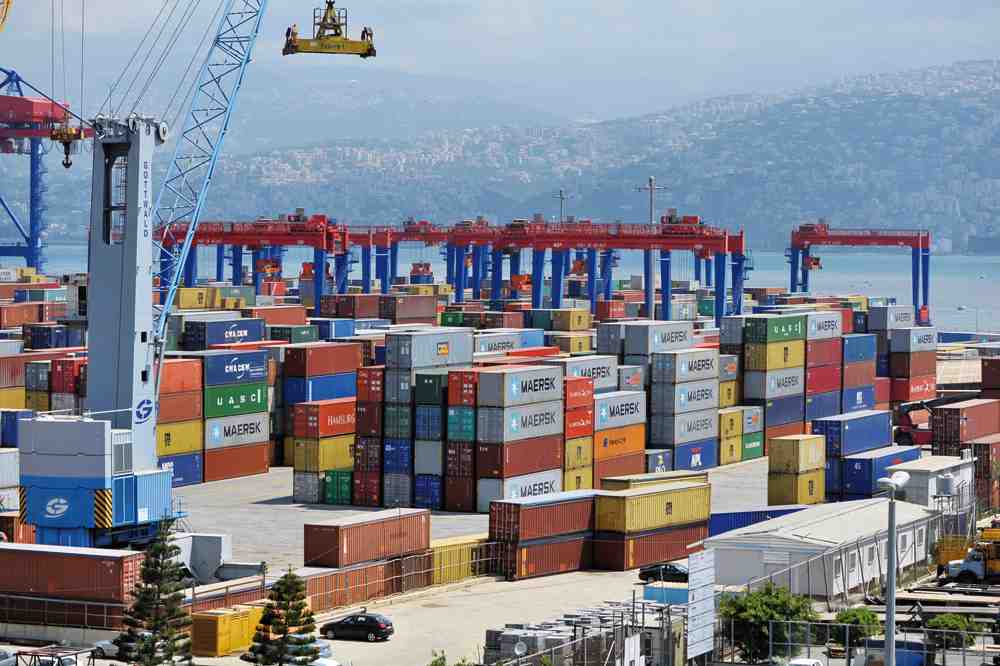
The participation of Beirut and Tripoli gives Lebanon a formal platform through which its two main commercial ports can engage with ports and logistics stakeholders involved in the broader IMEC network.
The move does not, however, mean that Lebanon has become a signatory to the original IMEC agreement or that the physical corridor currently runs through Lebanon.
The Lebanese participation instead creates an institutional framework for cooperation and the potential development of projects involving port connectivity, logistics, trade facilitation and digital systems.
For Lebanon, the agreement comes as the country seeks to strengthen the role of its maritime infrastructure and expand its connections with regional and international trade networks.
President Aoun said the development demonstrated the value of strengthening institutional cooperation, while the participation of Beirut and Tripoli provides Lebanon with a channel to engage with the wider IMEC-related port network.