



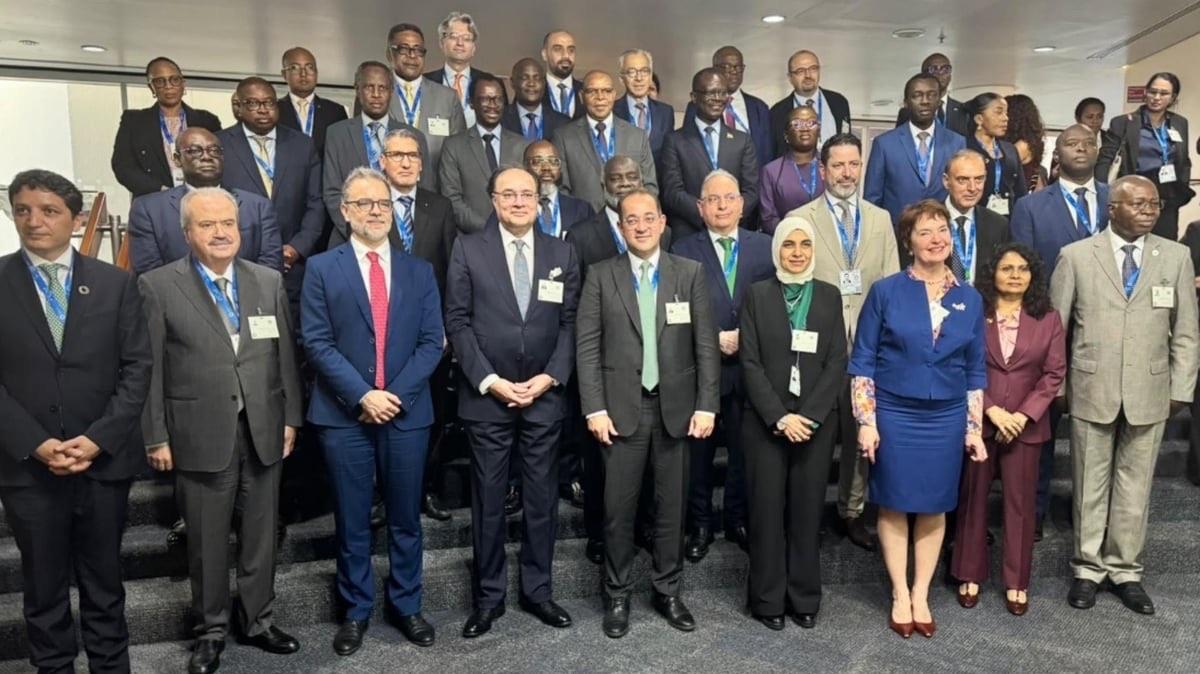
MIDDLE EAST - Finance ministers and central bank governors from around the world are meeting in Bangkok this week for the 2026 Annual Meetings of the International Monetary Fund and the World Bank Group, held from October 12 to 18. For the Arab region, the Meetings come at a demanding moment, and both governments and civil society are bringing their priorities to the table.
The Official Track
On October 16, Arab governors are set to meet with the President of the World Bank Group. At last year's meeting, discussions focused on rebuilding and recovery in post-conflict areas, balancing climate finance between adaptation and mitigation, and integrating digital transformation into labor market strategies to prepare workers for future jobs.
This year, the regional context looks different. Recent wars have widened reconstruction needs, energy price shocks have strained both household budgets and public finances, and war-related spending has narrowed fiscal room in several economies, while humanitarian needs continue to grow. As a result, long-standing priorities such as recovery and job creation are likely to be discussed in a new light this year.
The Civil Society Track
Alongside the official meetings, the Civil Society Policy Forum gives civil society organizations a space for direct dialogue with IMF and World Bank staff. A regional delegation coordinated by the Arab Reform Initiative (ARI), with partners including Al-Bawsala, the Phenix Center, the Arab NGO Network for Development and L'Espace Associatif, is presenting new research from across the region. Their key messages include:
Fiscal space and austerity: ARI argues that calls to "rebuild buffers" often translate into spending cuts in practice. As rising defense spending and energy prices make essentials less affordable, measures such as capping public wage bills, removing subsidies and introducing user fees shift costs onto households and can deepen social and gender inequalities. The group is calling for financing options that expand fiscal space and safeguard social protection and public services.
Financing social protection: Drawing on research in Lebanon, Jordan, Morocco and Tunisia, the group highlights the gap between current social protection policies and what communities say they need. In Lebanon, for example, its research notes that an estimated 60% of workers are in informal jobs and largely outside the national social security system. The group proposes rights-based, domestically driven financing alternatives to the debt-reliant models that currently shape much IFI support for social protection.
Fair reconstruction: Looking at the World Bank Group's 2026–2030 strategy for fragile and conflict-affected settings, the group examines how public investment, guarantees and procurement are used to create jobs. It calls for safeguards such as labor rights, gender- and climate-responsive assessments and transparent contracting, so that reconstruction financing benefits communities fairly.
The Arab Reform Initiative (ARI) will livestream several of its sessions this week, including discussions on social protection, the future of work and reconstruction on October 15 and 16. Those interested in following ARI’s sessions online can find the Zoom links here.