


LEBANON - As countries mark World Food Day, food affordability remains a major challenge in Lebanon, where elevated prices, limited incomes and disrupted livelihoods continue to constrain access to basic food needs.
Lebanon’s annual food inflation rate remained at 18% in June 2026, according to the latest FAO GIEWS Country Brief on Lebanon. Bread prices were 14% higher than a year earlier, while vegetable oil prices increased by 21% over the same period.
FAO said that high food and living costs, combined with low incomes and limited livelihood opportunities, continue to restrict access to food, particularly among vulnerable households.
Food Available, but Increasingly Unaffordable
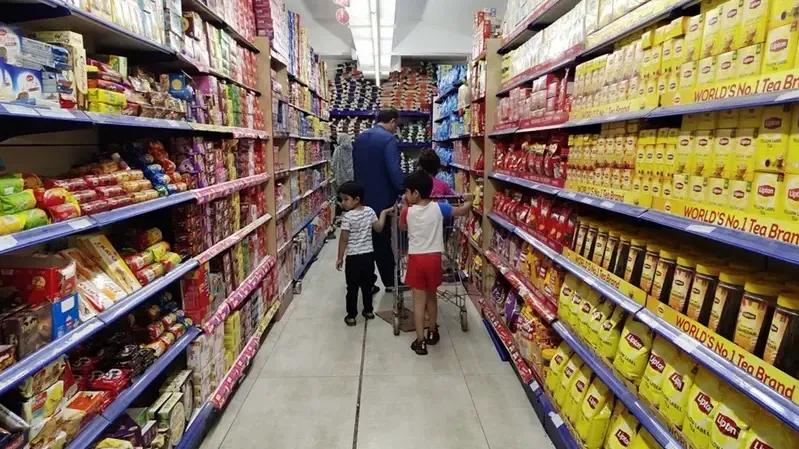
The World Food Programme (WFP) has also warned that while food remains available in many parts of Lebanon, it is becoming increasingly unaffordable.
Following the escalation that began in March 2026, WFP reported that vegetable prices had increased by more than 20%, while bread prices rose by around 15%. Rising food and fuel costs came alongside displacement, market disruptions and broader economic pressures.
The latest Integrated Food Security Phase Classification assessment estimated that around 1.24 million people, or 24% of the population analysed, faced Crisis-level or worse acute food insecurity between April and August 2026. This represented a significant deterioration from the 874,000 people, or 17% of the analysed population, classified at the same level between November 2025 and March 2026.
The increase was particularly pronounced in southern Lebanon. The IPC assessment identified Bent Jbeil, Marjaayoun, Nabatieh and Sour among the districts recording the largest increases in people experiencing acute food insecurity.
Purchasing Power Remains Under Pressure
Broader inflation continues to place additional pressure on household budgets.
According to Lebanon’s Central Administration of Statistics, the Consumer Price Index increased by 16.66% year-on-year in August 2026. Prices also rose by 1.4% between July and August, while the bread and cereals index recorded a monthly increase of 1.82%.
These figures point to a food security challenge that is increasingly linked not only to whether food is available, but also to whether households can afford it.
The IPC analysis identified displacement, loss of income and livelihoods, rising food and fuel prices, market disruptions and broader economic shocks among the main drivers of deteriorating food security. Meanwhile, WFP’s latest Lebanon overview continues to highlight the scale of the challenge, noting that nearly one in four people face acute food insecurity and that food inflation has risen by 18% in 2026.
As Lebanon marks World Food Day, the figures highlight a growing challenge: food may remain available in markets, but for a significant share of the population, affordability is becoming the bigger barrier to access.