


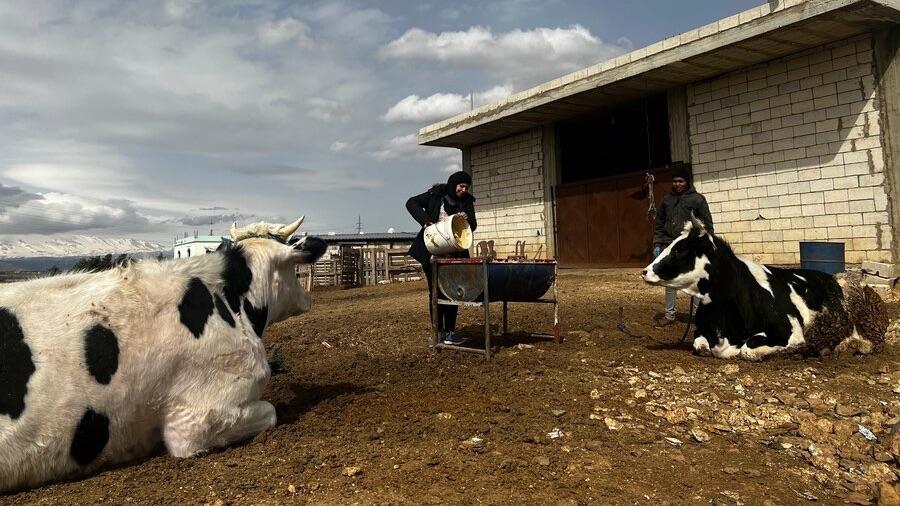
LEBANON - Lebanon’s Ministry of Agriculture and the United Nations Food and Agriculture Organization (FAO) have launched a cash assistance program worth nearly $140,000 to support dairy farmers affected by hostilities in the southern governorates of South Lebanon and Nabatieh.
The initiative will target 465 of the most vulnerable farmers, providing each beneficiary with an unconditional cash payment of $300 to help cover essential livestock-related expenses and maintain milk production.
Support for Dairy Farmers
The program is intended to help small-scale Lebanese livestock farmers who are active in the dairy value chain, particularly those raising dairy cows currently producing milk and who have been directly affected by the recent conflict.
The payments will help farmers purchase animal feed, obtain veterinary care and cover other essential supplies and inputs needed to sustain production.
Lebanon’s dairy farming sector includes more than 13,000 farms and faces longstanding structural challenges, including limited access to veterinary services and high costs. The consequences of the latest conflict have intensified these pressures, threatening farmers’ livelihoods and their ability to maintain production.
Protecting Food Security
Agriculture Minister Nizar Hani said supporting livestock farmers in South Lebanon and Nabatieh was not merely an emergency response but also an essential measure to protect national food security and sustain agricultural and livestock production in the most affected rural areas.
He stressed that livestock was an economic and social pillar for thousands of Lebanese families, adding that any decline in the sector directly affected food security and the living conditions of local communities.
Minister Hani said the joint initiative reflected the ministry’s approach to strengthening farmers’ resilience and ensuring they had the minimum resources needed to continue producing amid the combined pressures of conflict and economic and climate-related crises.
He added that the ministry would continue working with international partners and local institutions to develop sustainable support programs, improve veterinary services, protect rural livelihoods and strengthen domestic production.
The minister also thanked the Lebanese Army and the United Nations Interim Force in Lebanon (UNIFIL) for helping relocate some farms and livestock to safer areas, efforts he said had helped limit losses and protect farmers’ sources of income.
FAO Highlights Farmers’ Role
FAO Representative in Lebanon Veronica Quattrucci said livestock farmers played a central role in maintaining the country’s food security but faced growing threats to their animals, livelihoods and ability to continue producing food.
She said the cash assistance would provide flexible and timely support, allowing farmers to address urgent needs, protect productive assets and help maintain supplies of essential dairy products to local markets.
Quattrucci added that the initiative formed part of FAO’s ongoing efforts, in close cooperation with the Ministry of Agriculture, to address the immediate effects of the crisis while strengthening Lebanon’s agrifood systems and protecting rural livelihoods in conflict-affected areas.


