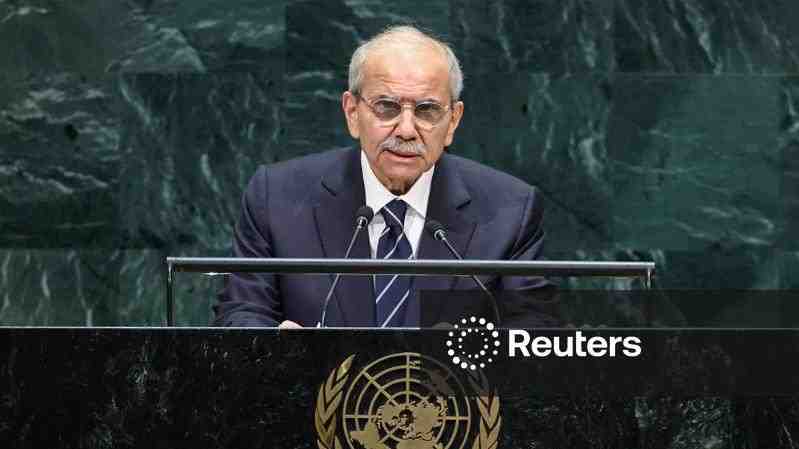
BEIRUT - Lebanese Prime Minister Nawaf Salam announced plans to boost local production, expand industrial exports and attract investment in technology manufacturing as the government seeks to strengthen Lebanon’s industrial sector and reduce reliance on imports.
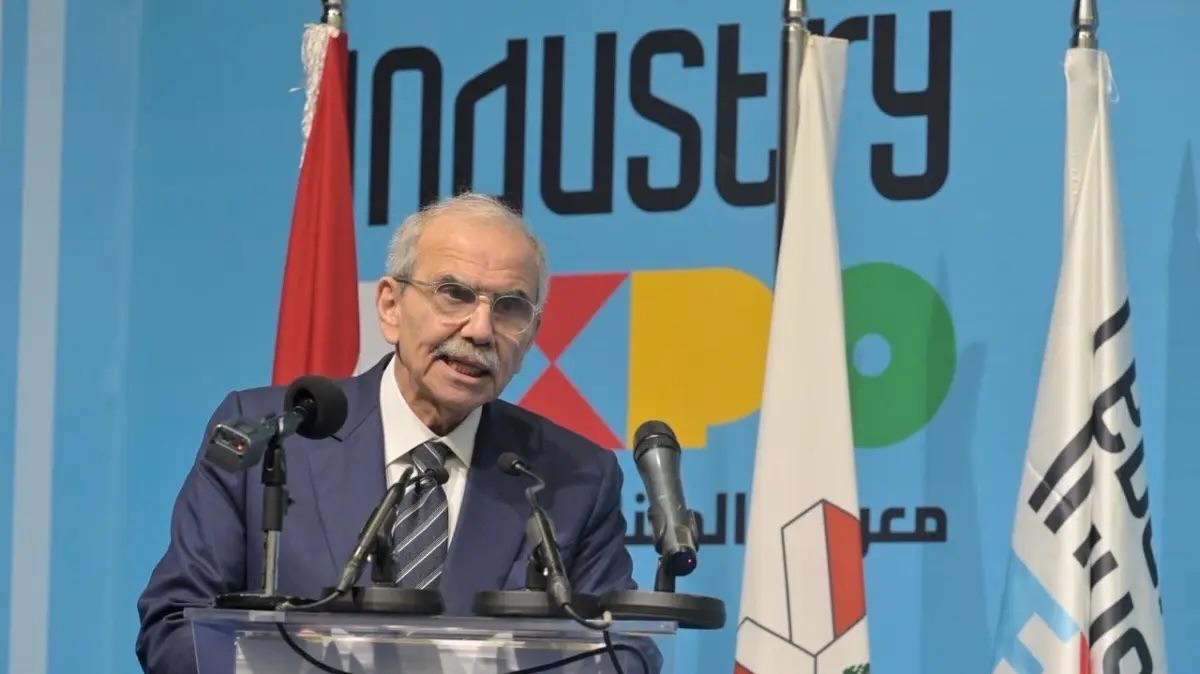
Speaking at the opening of the second National Industry Exhibition 2026 on October 28, organized by the Association of Lebanese Industrialists in cooperation with the Ministry of Industry, PM Salam outlined three government commitments: launching a national program to encourage local production, establishing a joint government mechanism to promote industrial exports, and developing a program to attract investment in technology industries.
The exhibition, held at Beirut’s Seaside Arena, brings together Lebanese industrial companies across sectors ranging from food and beverages to pharmaceuticals, cosmetics, machinery, technology, furniture and textiles.
Boosting Local Production
PM Salam said Lebanon’s industrial sector was essential to economic recovery, job creation and financial stability, describing industrialists as partners in rebuilding the economy.
He said the government would develop policies encouraging the domestic production of goods that Lebanon currently imports in large quantities, provided local manufacturers could produce them at competitive prices and quality.
The government also plans to promote Lebanese products in public procurement within the framework of applicable laws and agreements, while introducing targeted investment incentives for industries that increase local value and create jobs.
PM Salam said the government was working to strengthen customs controls and border monitoring to address smuggling, unfair competition and the dumping of imported goods in the Lebanese market.
Expanding Industrial Exports
Lebanon’s industrial exports are worth approximately $3 billion annually, PM Salam said, describing them as evidence that Lebanese products can compete in international markets.
He said the government would work to expand bilateral trade agreements, open new markets and make greater use of existing agreements. Lebanese diplomatic missions would also be assigned a greater role in promoting domestic products and attracting industrial investment.
The government will also examine incentives for businesses that increase exports or enter new markets, Salam said.
He added that Lebanon could attract foreign companies seeking to relocate part of their manufacturing and technology operations closer to their main markets, drawing on the country’s engineering and technological expertise.
Energy Costs Remain a Challenge
PM Salam identified energy costs as one of the heaviest burdens facing industrialists, saying that addressing the issue was a government priority.
He said the government was working on sustainable solutions to the energy crisis, including more reliable electricity supplies at competitive prices.
Industrial competitiveness, he added, depended partly on ensuring that Lebanese manufacturers did not face higher energy costs than their international competitors.
Industry Exhibition Draws Hundreds of Products
Industry Minister Joe Issa El Khoury also stressed the importance of strengthening domestic production and improving the business environment for manufacturers.
He said the Ministry of Industry was finalizing a study identifying foreign markets with the greatest potential for Lebanese industrial exports, alongside a separate study on developing industrial zones and providing the infrastructure needed to attract investment.
Association of Lebanese Industrialists President Salim Zeenni called for the implementation of the government’s commitments, saying manufacturers had continued operating despite crises, high production costs and limited incentives.
The exhibition features more than 200 industrial products and over 1,000 local and international brands across a 10,000-square-meter area. Organizers expect more than 10,000 buyers and professional visitors before the event closes on October 31.