


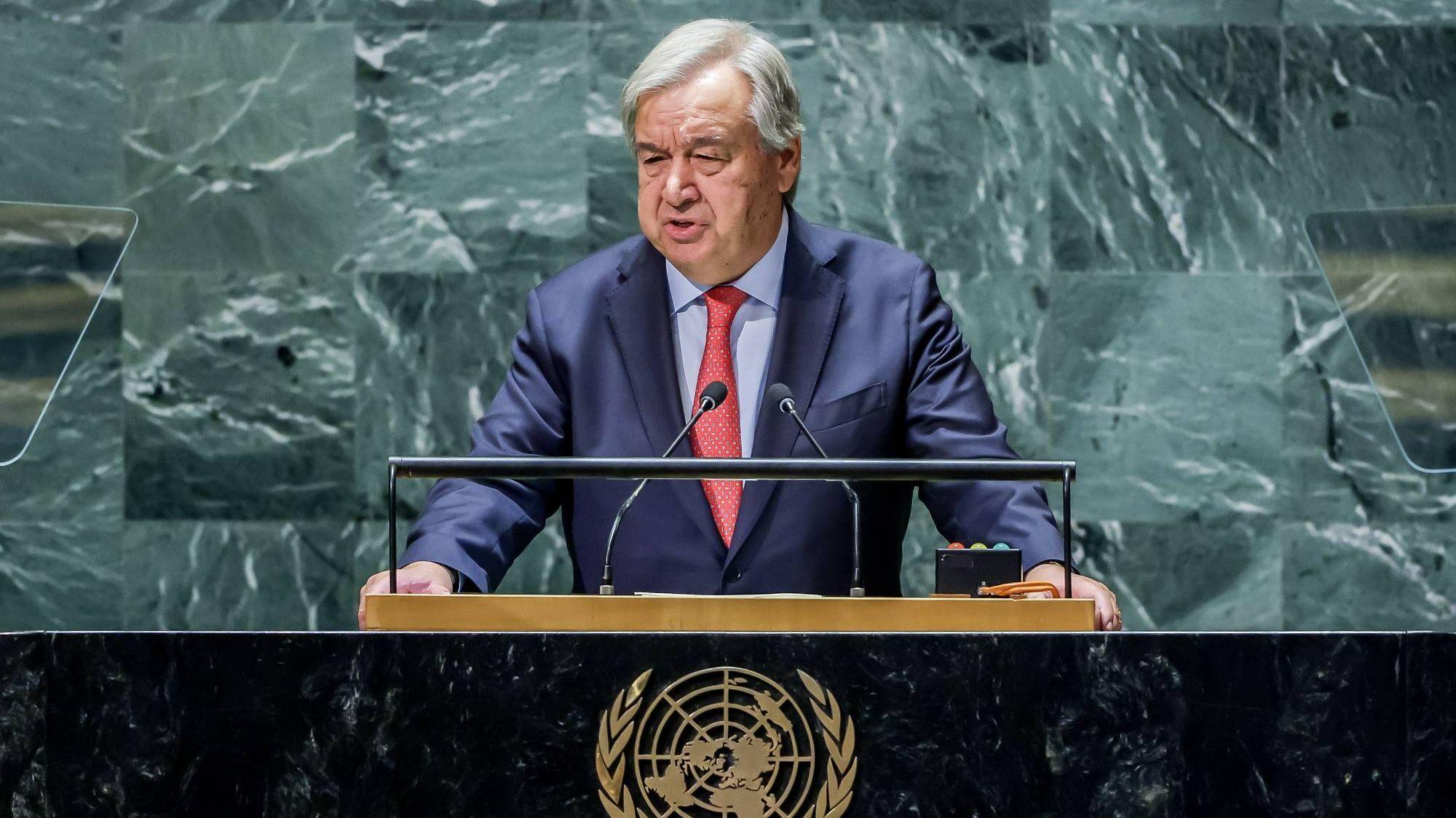
WORLD - UN Secretary-General António Guterres has called on governments and international actors to strengthen women’s participation in peace negotiations, increase funding for women-led organizations, and address violence against women and girls in conflict settings.
Speaking at the UN Security Council’s Open Debate on Women, Peace and Security, Guterres warned that despite progress over the past 26 years, the implementation of the Women, Peace and Security agenda remains insufficient, with women continuing to face exclusion, discrimination, and violence in conflict-affected areas.
The agenda was established through UN Security Council Resolution 1325, adopted in 2000, which recognized the importance of women’s participation in conflict prevention, peacebuilding, and post-conflict recovery.
Rising violence against women in conflict zones
Guterres highlighted the growing threats facing women and girls as armed conflicts increase worldwide, noting that the number of conflicts has reached its highest level since World War II.
According to his annual report on Women, Peace and Security, the number of women and girls living within 50 kilometers of armed conflict has risen sharply.
The Secretary-General also reported that UN-verified cases of conflict-related sexual violence exceeded 9,700 last year, warning that the actual number is likely much higher.
Women and girls continue to face multiple forms of violence and exclusion, including attacks involving explosive weapons in densely populated areas, restrictions on education, rising maternal mortality in crisis zones, and limitations on access to essential humanitarian services.
Guterres also raised concerns over restrictions imposed on female UN and humanitarian personnel, particularly in conflict settings, preventing them from carrying out their work because of their gender.
Women remain underrepresented in peace negotiations
Despite some progress since the adoption of Resolution 1325, women's participation in formal peace processes remains limited.
Guterres noted that women accounted for only 5% of negotiators across 57 peace processes last year. Meanwhile, fewer than one-fifth of peace agreements reached globally included at least one reference to women, girls, gender, or sexual violence.
He stressed that women's participation is essential to building sustainable peace, arguing that peace processes are more likely to endure when women are meaningfully involved in shaping them.
The Secretary-General also pointed to progress in implementing the agenda, including the adoption of national action plans by more than 110 countries and the growing involvement of women in local mediation and peacebuilding initiatives.
Three priorities for advancing the Women, Peace and Security agenda
Guterres outlined three areas requiring urgent action to address the persistent gaps in implementing Resolution 1325.
1. Ensuring women's meaningful participation in peace processes
He called for women to be represented at every peace negotiation table and for their needs to be reflected in peace agreements. He also urged governments to adopt concrete measures, including binding targets and quotas, to ensure women's full, equal, and meaningful participation.
2. Increasing funding for women-led organizations
The Secretary-General called on countries to meet their official development assistance commitments and restore funding to organizations supporting women and girls in conflict-affected areas, particularly those addressing forced displacement.
He warned that funding cuts are forcing some women's organizations to suspend their operations and reducing access to essential services, including healthcare, safe spaces, and humanitarian assistance.
3. Ending violence against women and girls
Guterres called for zero tolerance for all forms of violence against women and girls, including conflict-related sexual violence. He stressed the need to hold perpetrators accountable, document violations, and ensure justice for survivors.
He also reiterated the importance of lifting restrictions on female humanitarian workers and ensuring their protection.
Beyond conflict: Addressing structural inequalities
Guterres emphasized that advancing the Women, Peace and Security agenda requires action beyond peace negotiations. He called on states to strengthen national laws and policies, improve women's economic security, support women's organizations, and address gaps in gender-related data.
Concluding his remarks, he stressed that gender equality is a matter of political choice rather than an unattainable ambition, urging the international community to make women's inclusion a priority in peace negotiations, decision-making, and policymaking.
"Equality is not a dream. It is a decision," he said.

