BEIRUT - Prime Minister Nawaf Salam has called for intensified investigations and stricter food safety monitoring following a rise in food poisoning cases across Lebanon, including suspected infections linked to contaminated meat.
At least 17 people, mainly children, were taken to hospitals in the northern region of Akkar over the weekend after reportedly consuming contaminated pastries, while some had also eaten meat, according to local authorities.
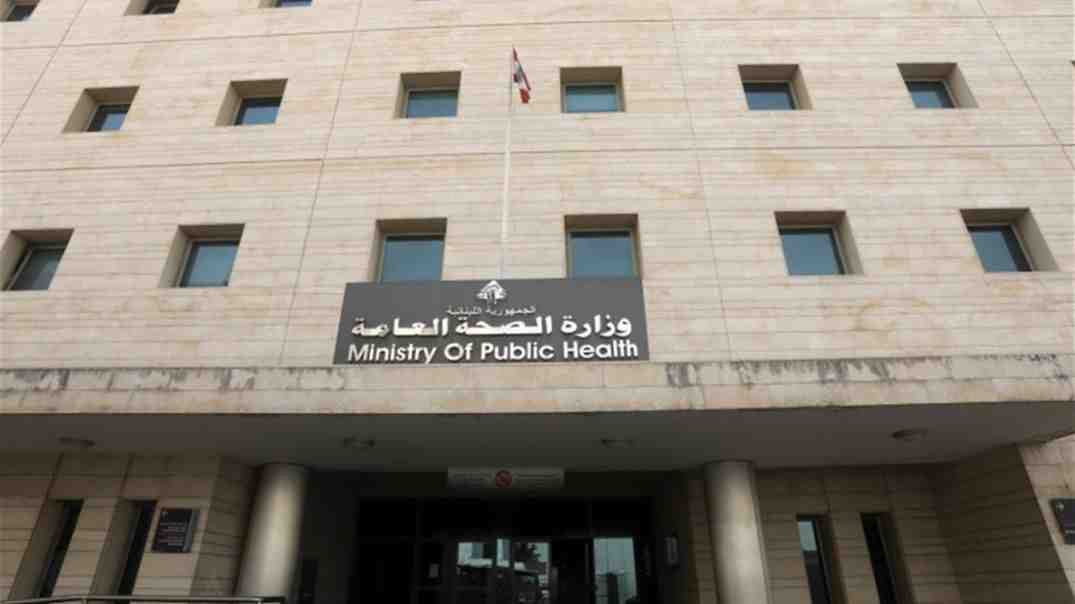
The developments follow a warning issued by the Ministry of Public Health last week over an increase in suspected cases of trichinosis, a food-borne parasitic disease caused by roundworms.
Trichinella Found in Beirut Restaurant
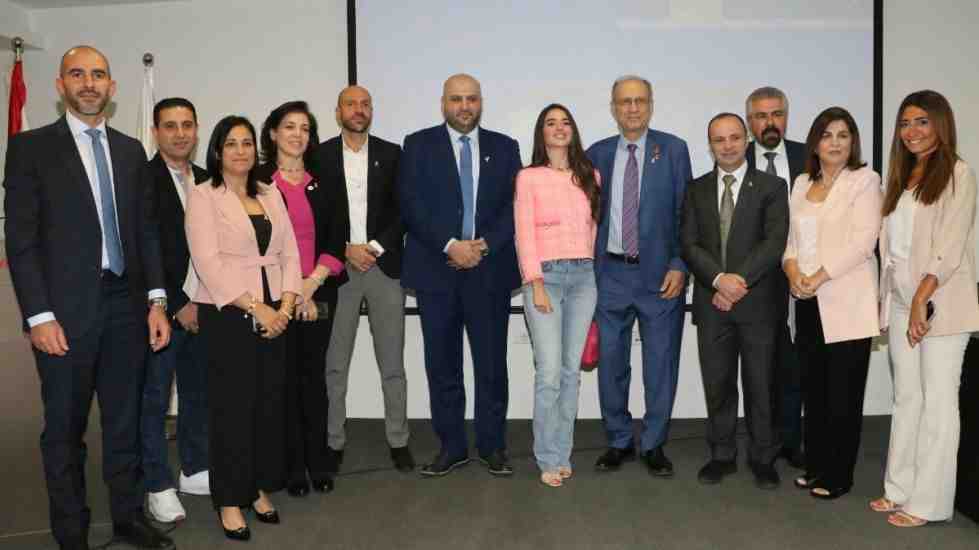
During an emergency meeting at the Grand Serail, Salam said food safety was a responsibility that could not be compromised, calling for coordinated health inspections, judicial investigations, oversight and preventive measures.
The prime minister said the Ministry of Public Health had reported suspected Trichinella infections among patients treated at hospitals in Beirut. Field investigations and laboratory tests subsequently detected the parasite in a ground meat sample collected from Nadini restaurant in central Beirut.
The restaurant was completely closed and sealed with red wax as investigations continued to establish the source of the contaminated meat and determine where the suspected food tampering occurred.
Preliminary findings pointed to possible mixing of meat served at the restaurant with contaminated pork. However, authorities said investigations were ongoing to establish whether the violations took place inside the restaurant or at another stage of the supply chain.
PM Salam said the Public Prosecution would pursue the necessary investigative procedures to identify those responsible and take the strictest judicial measures against anyone found to have violated the law.
Meat Supplier Shut Down
As part of the investigation, authorities, including military intelligence, raided a warehouse in Beirut's Raouche neighbourhood belonging to Rahamco, a company that supplied meat to Nadini and several other restaurants.
Initial findings indicated that the supplier was operating without a licence and failing to meet basic health and safety standards. Authorities also suspected that the company had been mixing fresh meat with thawed frozen meat.
The warehouse was subsequently shut down as investigations into the meat supply chain continued.
Health Risks and Preventive Measures
According to the Ministry of Public Health, Trichinella spiralis is transmitted through consuming raw or undercooked meat, particularly infected pork.
Symptoms may include nausea, diarrhoea, abdominal pain, fever, muscle aches, fatigue and swelling around the eyes. Severe infections can affect the heart, nervous system and respiratory system.
The outbreak has renewed concerns over food handling and storage practices in Lebanon, where unreliable and costly electricity supplies can complicate refrigeration and food preservation.
PM Salam called on relevant authorities to take all reports of suspected food fraud and violations seriously, stressing the need for continued investigations and coordinated action to protect public health.