LEBANON – Recent Trichinella cases in Lebanon have raised concerns about the health risks associated with eating raw or undercooked meat. They have also highlighted the importance of monitoring meat sources, storage conditions, and handling practices.
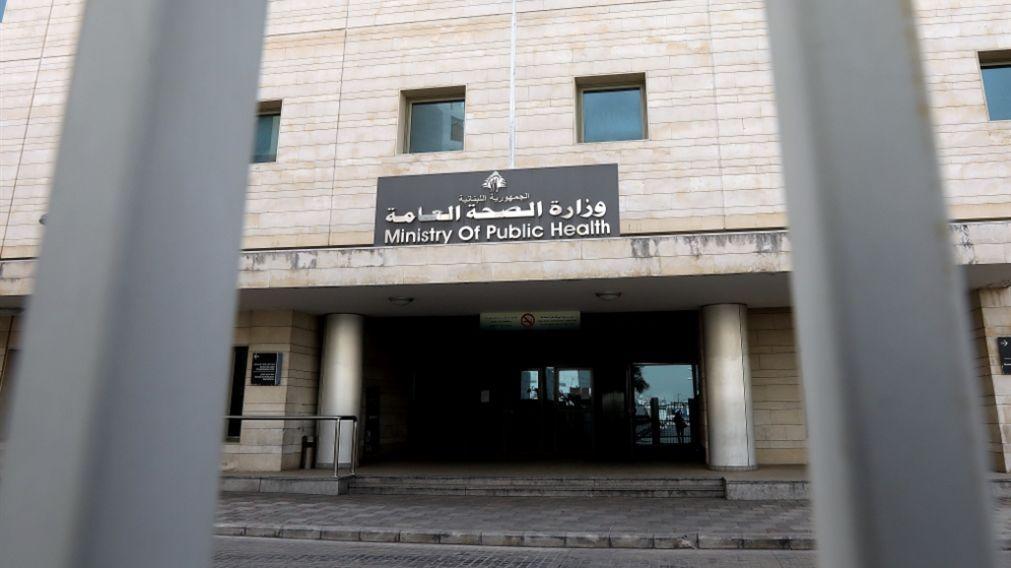
More than 20 confirmed and suspected cases have been reported, according to information shared with Enmaeya by Dr. Nada Shamseddine, a member of the Bacterial Diseases Committee at Lebanon’s Ministry of Public Health.
The incident first came to light after four people who had eaten at the same restaurant developed similar symptoms. The Ministry of Public Health then launched an investigation to identify the source of the infection.
The investigation found that the restaurant had been sourcing its meat from an unlicensed warehouse. Additional cases with similar symptoms were reported afterwards.
What Is Trichinella and How Does It Spread?
Trichinella is a foodborne parasitic infection caused by consuming meat contaminated with the parasite’s larvae. It is mainly associated with raw or undercooked pork, including meat from domestic and wild pigs. However, the parasite can also be transmitted through the meat of other infected animals, including bears, seals, and dogs.
Transmission occurs through the consumption of contaminated meat or meat products. Cross-contamination is also a food-safety concern: contaminated meat residues can be transferred to other foods through knives, cutting boards, grinders, or other equipment that has not been properly cleaned and disinfected.
Regarding the cases reported in Lebanon, Dr. Shamseddine confirmed that the number has exceeded 20. These include confirmed infections and suspected cases based on clinical symptoms.
She stressed that the disease does not spread from one person to another. Contact with an infected person does not put others at risk. Infection occurs only through consuming contaminated meat.
Two Stages of Symptoms and Possible Complications
Trichinella infection develops in two stages.
According to Dr. Shamseddine, the first stage involves digestive symptoms. These usually appear within one or two days after eating contaminated food.
Symptoms may include abdominal cramps and severe stomach pain, diarrhea or constipation, weakness, general fatigue, fever, and chills.
These symptoms occur when the larvae reach the digestive system. The small cysts containing the larvae open, releasing them into the intestines and causing digestive problems.
These symptoms may last for about a week, Dr. Shamseddine explained.
The second stage begins when the larvae penetrate the intestinal wall and enter the bloodstream. According to Dr. Shamseddine, this stage may appear around six to eight weeks after the infection begins if the disease is not diagnosed and treated early.
The larvae then travel through the blood and may settle in different parts of the body. The muscles, particularly the skeletal muscles, are the most common site.
When the larvae reach muscle cells, the immune system reacts to them, triggering inflammation in the muscle tissue. This can cause severe muscle pain, general body aches, fever, and headaches. Some digestive symptoms may also continue during this stage.
The complications are not limited to the muscles. The parasite can also affect other organs, including the lungs, heart, and nervous system.
Such complications can be serious and potentially life-threatening. Although rare, severe infections can result in death.
Why Early Intervention Matters
Dr. Shamseddine stressed that early diagnosis is essential to prevent the disease from progressing and causing complications.
Recognizing the symptoms during the first stage can help doctors suspect an infection before the larvae spread to the muscles and other organs.
One possible indicator is an increase in the eosinophil count, a type of white blood cell. A high eosinophil count can support suspicion of the infection.
However, an increase in eosinophils alone cannot confirm a Trichinella infection. Doctors must assess it alongside the patient’s symptoms and the results of other medical tests.
Treatment involves antiparasitic medication, Dr. Shamseddine explained.
Starting treatment early is particularly important, before the infection progresses and the larvae reach the muscles and other organs, where they may cause further complications.
Food Safety Starts with the Source of the Meat
Preventing Trichinella infection requires attention at every stage of the food supply chain, from meat production and inspection to storage, transportation, preparation, and consumption.
The most important individual precaution is to avoid eating raw or undercooked meat and ensure that meat is thoroughly cooked before consumption.
Knowing where meat comes from is equally important. Consumers should purchase meat from licensed and reliable suppliers and avoid products of uncertain origin.
Checking where the meat comes from is just as important as how it is prepared. Monitoring production, storage, and distribution is essential to protecting consumers.
Dr. Shamseddine stressed the need to monitor meat warehouses, ensure they hold the required licenses, and regularly inspect storage conditions and product sources. She also highlighted the importance of taking action against unlicensed warehouses.
Preventing cross-contamination is equally important. This requires proper handling and cutting practices, as well as avoiding the use of the same tools and surfaces for different types of meat without proper cleaning and disinfection.
Ensuring food safety is not the responsibility of one authority alone. It requires coordination between ministries, relevant public institutions, municipalities, and other stakeholders to strengthen oversight, enforce food safety standards, and reduce risks to public health.
The reported cases serve as a reminder that food safety does not begin when food reaches the table. It starts with the source of the meat and continues through its production, storage, transportation, and handling.