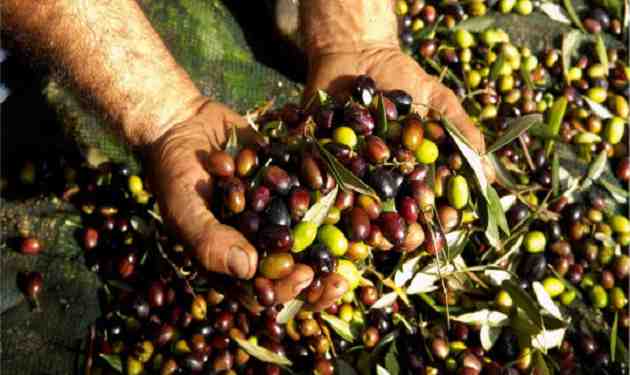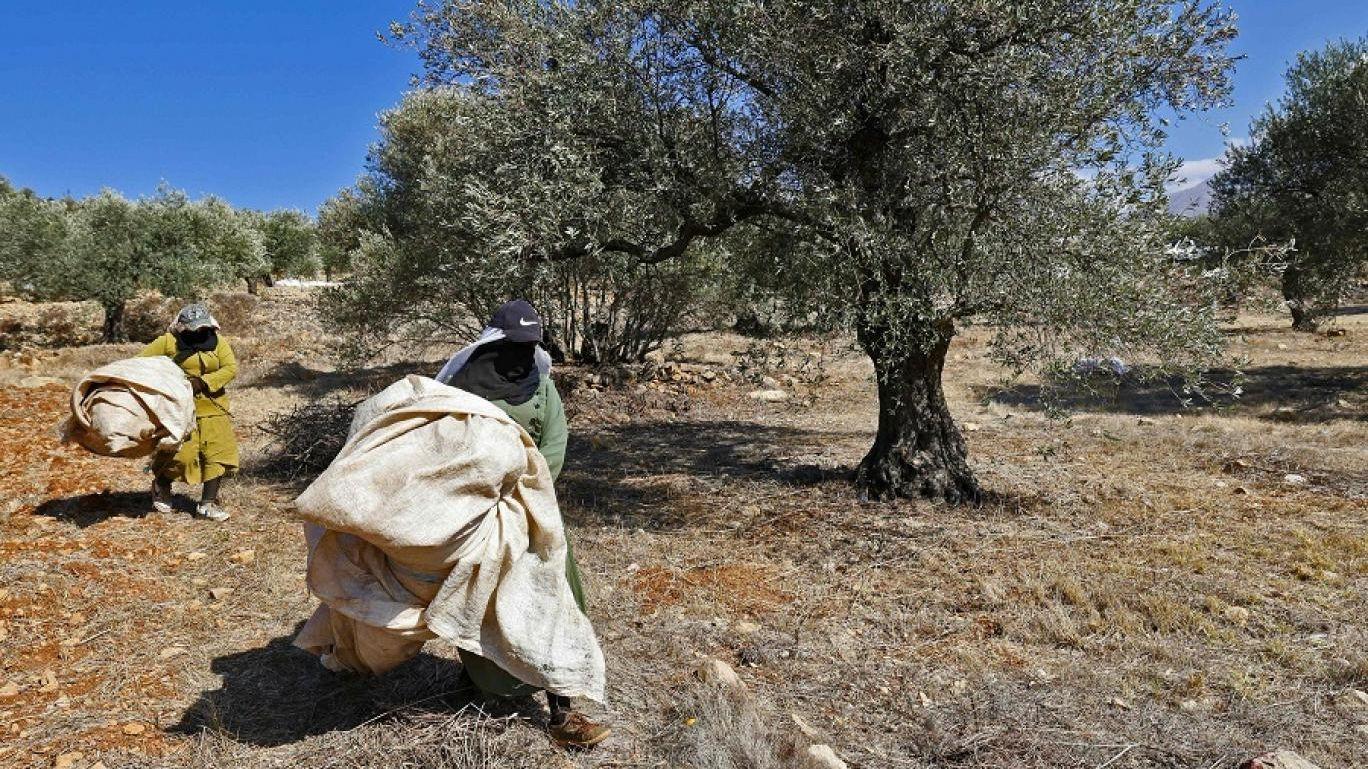
LEBANON – The war has had significant repercussions on Lebanon’s olive sector, affecting cultivated areas, production, and exports, while disrupting economic activity associated with the industry.
Indicators published by the National Center for Natural Hazards and Early Warning, based on satellite imagery analysis and field verification, reveal the extent of damage and challenges facing olive groves between March 2 and October 19, 2026.
According to the data, approximately 500 hectares of olive groves were burned in 2026, compared with 814 hectares in 2024.
Access was also restricted to approximately 4,957 hectares of olive-growing land in Lebanon, representing 19% of the olive-cultivated area in the south and 7% of the country's total olive-growing area. Additionally, around 2,647 hectares of olive plantations were located in hazardous areas, equivalent to 10% of the olive-growing area in the south and 4% of the national total.
Material Damage and Economic Losses
At the olive sector level, material damage increased from $23 million in 2024 to $58 million in 2026. Meanwhile, economic losses reached $346 million in 2026, compared with $352 million in 2024.
Across the agricultural sector as a whole, total material damage rose from $73 million in 2024 to $91 million in 2026, while economic losses increased from $747 million to $830 million over the same period.
Agricultural Land Affected by Glyphosate
The data also indicate that 881 hectares of olive groves were affected by spraying operations involving glyphosate, a herbicide. Agricultural areas potentially exposed to these operations, directly or indirectly, are estimated at approximately 2,122 hectares across ten affected villages.
Decline in Olive Oil Exports
Export figures also reflect a decline in both the value and volume of olive oil exports. In 2024, exports were valued at approximately $69 million, with a total volume of 14,000 tonnes. In 2025, the value fell to $42 million, while exported quantities declined to 9,333 tonnes.
Lebanon produces approximately 20,000 tonnes of olive oil annually, making damage to groves and restricted access to large agricultural areas an additional challenge to the continuity of production and economic activity associated with the sector.
These indicators highlight the pressures facing Lebanon’s olive sector, from direct damage to agricultural land to difficulties accessing plantations and declining exports, raising further challenges for restoring production and protecting the livelihoods of those working in the industry.