


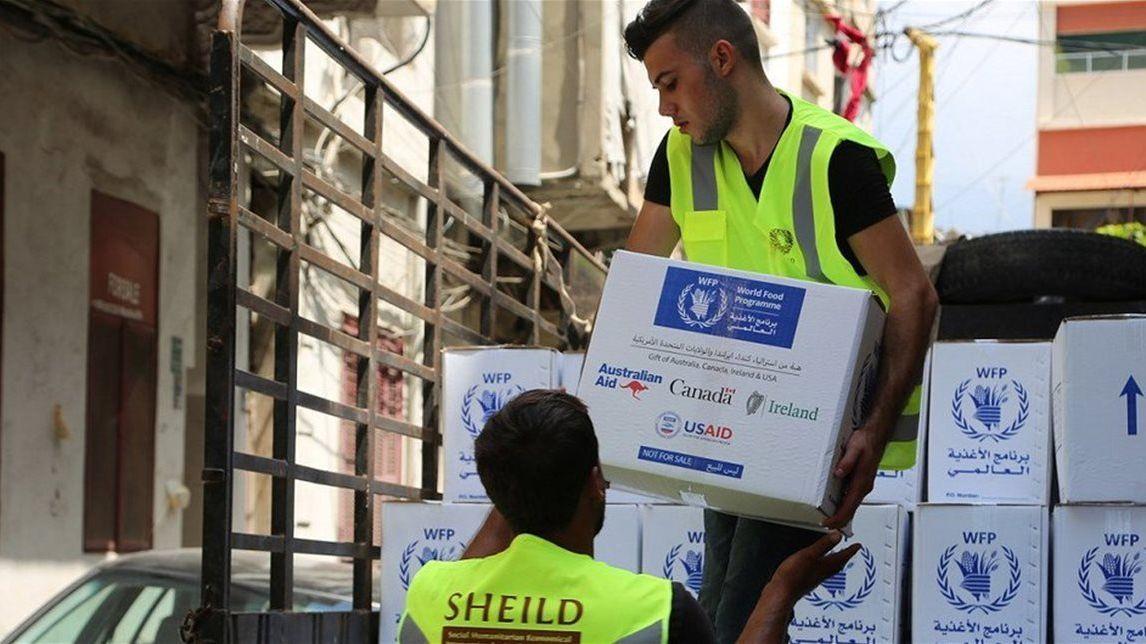
LEBANON – Approximately 1.05 million people in Lebanon are facing acute food insecurity between September 2026 and February 2027, representing 21% of the population assessed, according to the latest report by the Integrated Food Security Phase Classification (IPC), published on November 5, 2026.
The report attributes the situation to the cumulative impact of two successive conflicts in less than two years, economic instability, rising living costs, and limited recovery of livelihoods.
Of the 1.05 million people experiencing acute food insecurity at Crisis level or above (IPC Phase 3 or higher), around 52,000 are classified in Emergency conditions (IPC Phase 4), while approximately 997,000 are facing Crisis conditions (IPC Phase 3). A further 1.95 million people are classified as Stressed (IPC Phase 2), indicating difficulties meeting their basic food needs without compromising other essential expenses.
Conflict and Economic Pressures Deepen Food Insecurity
The IPC assessment identifies several factors contributing to the deterioration of food security across Lebanon.
Successive conflict escalations, particularly the escalation that began in March 2026, have caused widespread infrastructure damage, displacement, and the loss of household assets and livelihoods. The cumulative economic cost of the 2023–2024 and 2026 conflicts has exceeded $20 billion, according to the report.
Economic pressures have further weakened households’ ability to afford food and other essential goods. Annual inflation reached approximately 17% in August 2026, while job losses and declining incomes have reduced purchasing power.
Agricultural production and rural livelihoods have also been affected by damage to farmland, irrigation networks, and productive assets, particularly in southern Lebanon. These disruptions have constrained local food production and reduced income opportunities for farming communities.
Refugee Communities Face Higher Rates of Food Insecurity
Although Lebanese residents account for the largest number of people facing acute food insecurity, refugee communities and recent arrivals from Syria experience higher rates of food insecurity relative to their assessed populations.
According to the IPC report:
Recent arrivals from Syria since December 2024: 45%, or approximately 51,000 people, are facing Crisis conditions or worse.
Palestine refugees: 35%, or around 82,000 people, are classified in IPC Phase 3 or above.
Syrian refugees: 28%, representing approximately 230,000 people, are experiencing acute food insecurity.
Lebanese residents: 18% of the assessed population are facing Crisis conditions or worse, equivalent to approximately 686,000 people.
These figures highlight the unequal impact of food insecurity across different population groups, particularly among communities already facing economic and social vulnerabilities.
Food Insecurity Expected to Worsen in 2027
The report projects a further deterioration in food security between March and July 2027. During this period, the number of people facing IPC Phase 3 or above is expected to increase by 9%, reaching approximately 1.15 million people, or 24% of the analysed population.
The number of people facing Emergency conditions (IPC Phase 4) is also projected to rise from 52,000 to 97,000.
The anticipated deterioration is linked to several factors, including declining humanitarian food assistance, continued restrictions on livelihood recovery, delays in reconstruction, and persistently high living costs. The report also warns that funding for humanitarian food assistance is not secured beyond May 2027.
Call for Sustained Humanitarian Support
In response to the projected increase in food insecurity, IPC partners are calling for immediate and sustained funding to prevent interruptions in humanitarian assistance.
The recommendations also highlight the need to protect agricultural production and civilian livelihoods, strengthen social safety nets, and expand support for vulnerable communities across Lebanon.
The findings underscore the importance of addressing both immediate food needs and the longer-term economic and agricultural challenges affecting households’ ability to secure adequate food.


