LEBANON – Women across Lebanon are playing an increasingly important role in community-level peacebuilding, helping prevent disputes from escalating, facilitate dialogue, and strengthen social cohesion, according to a report published in October 2026 by UN Women.
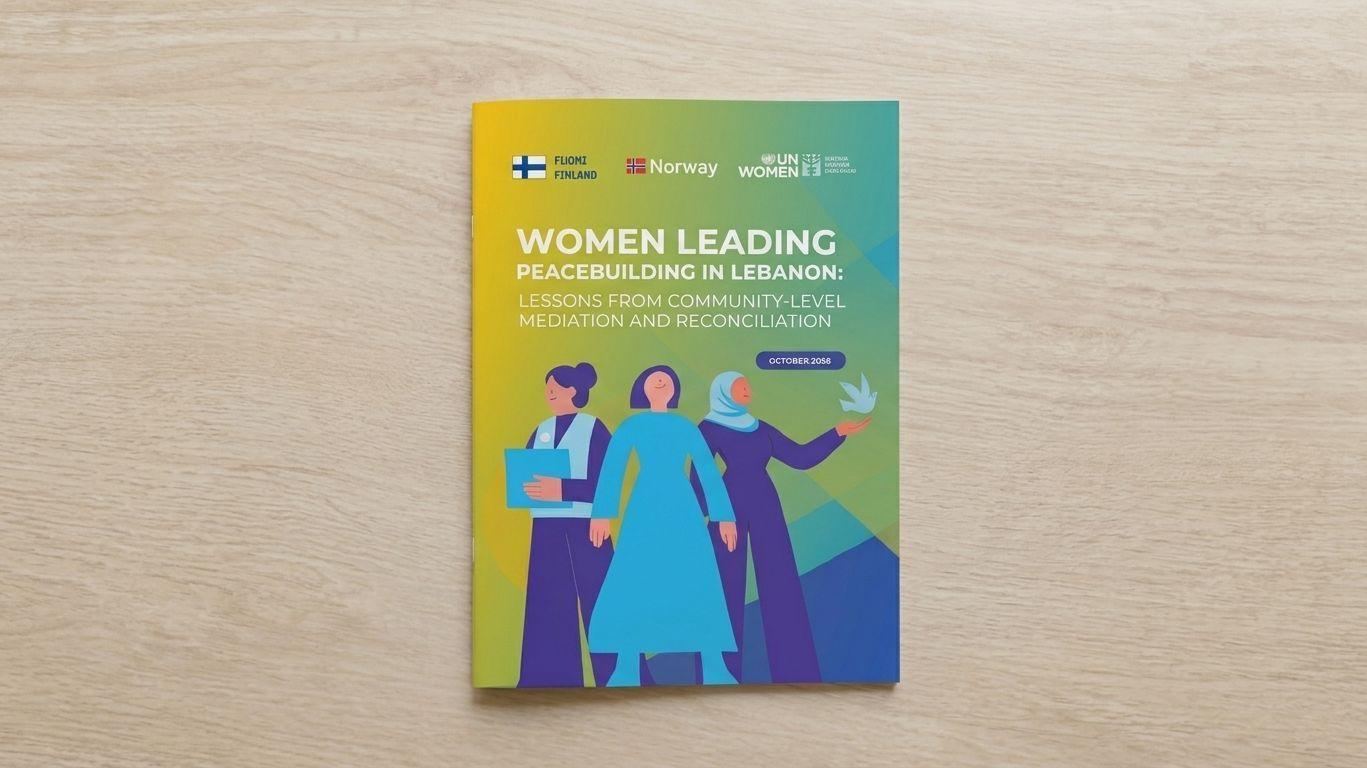
The report, titled Women Leading Peacebuilding in Lebanon: Lessons from Community-Level Mediation and Reconciliation, examines two initiatives involving women leaders and local mediator groups across the country.
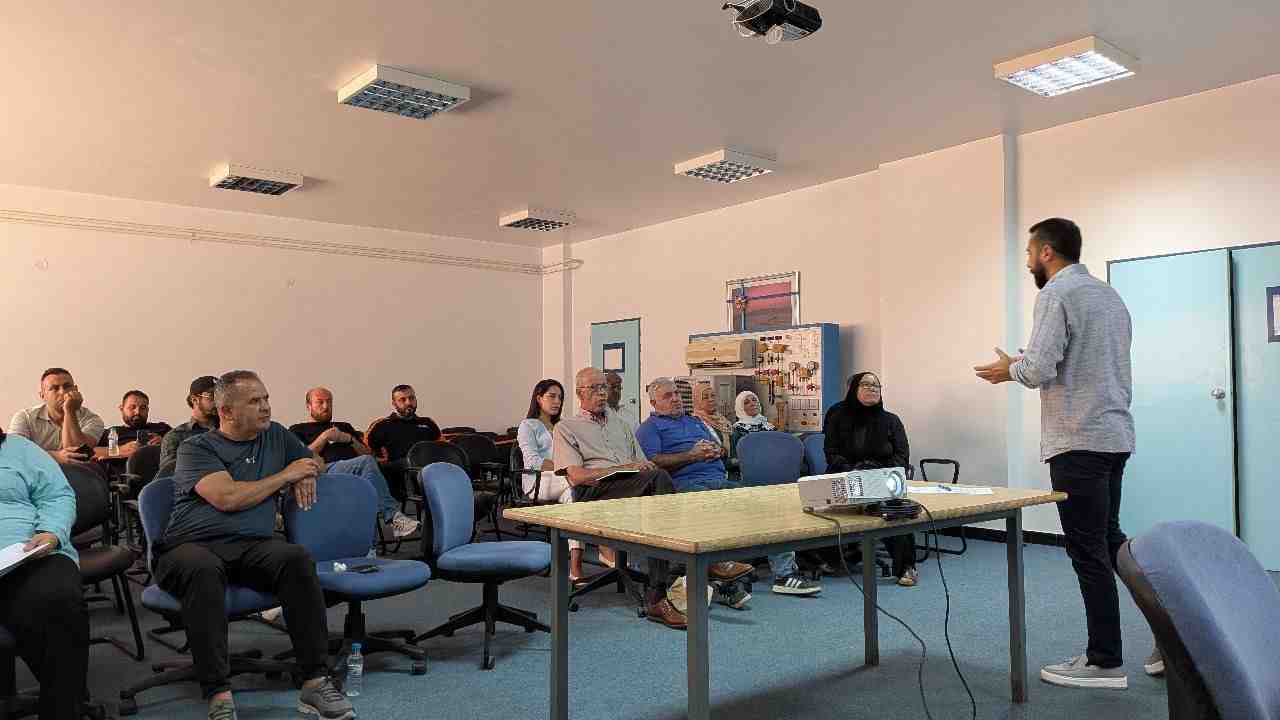
One initiative brought together 26 women leaders and 133 women across eight regions through 80 reconciliation dialogue sessions. A second involved 10 local women mediator groups comprising approximately 140 women.
The findings indicate improvements in participants’ willingness to engage in dialogue and their ability to address disputes. Among surveyed participants in the reconciliation initiative, willingness to engage with people whose views others consider unacceptable increased from approximately 40% to 76%.
Meanwhile, more than 90% of surveyed women mediators reported applying the skills they acquired in actual disputes, particularly communication, active listening and basic mediation.
Women’s Work Extends to Community Disputes and Social Cohesion
Their work extended beyond family and neighbourhood disagreements to include school, workplace, humanitarian, environmental and gender-related tensions, as well as disputes between refugees and host communities.
The report also documents women’s growing engagement with local authorities and decision-makers. Approximately 43% of surveyed mediators reported engaging with authorities, while 25 women implemented five locally led social cohesion initiatives in 2025.
Structural Barriers Continue to Limit Participation
However, women’s participation remains constrained by structural barriers, including limited access to decision-makers, insufficient institutional recognition, economic pressures, unpaid care responsibilities and difficulties accessing safe spaces.
Younger women and women with disabilities were also underrepresented in the initiatives, highlighting the need for more inclusive participation.
The report stresses that training alone is insufficient to sustain women’s peacebuilding efforts, calling for continued mentoring, practical opportunities, institutional referral mechanisms, psychosocial support and adequate funding.
It also warns that greater visibility and involvement in politically sensitive or security-related disputes can expose women to intimidation, backlash and other protection risks.
Lebanon’s Women, Peace and Security Agenda
The findings come as Lebanon implements its second National Action Plan on Women, Peace and Security for 2026–2030, which provides an opportunity to strengthen women’s participation in conflict prevention, peacebuilding and decision-making.
The report recommends connecting women’s community-level initiatives more systematically to municipal, humanitarian and national peace and security processes, while ensuring that their work receives the resources and institutional support needed to remain sustainable.