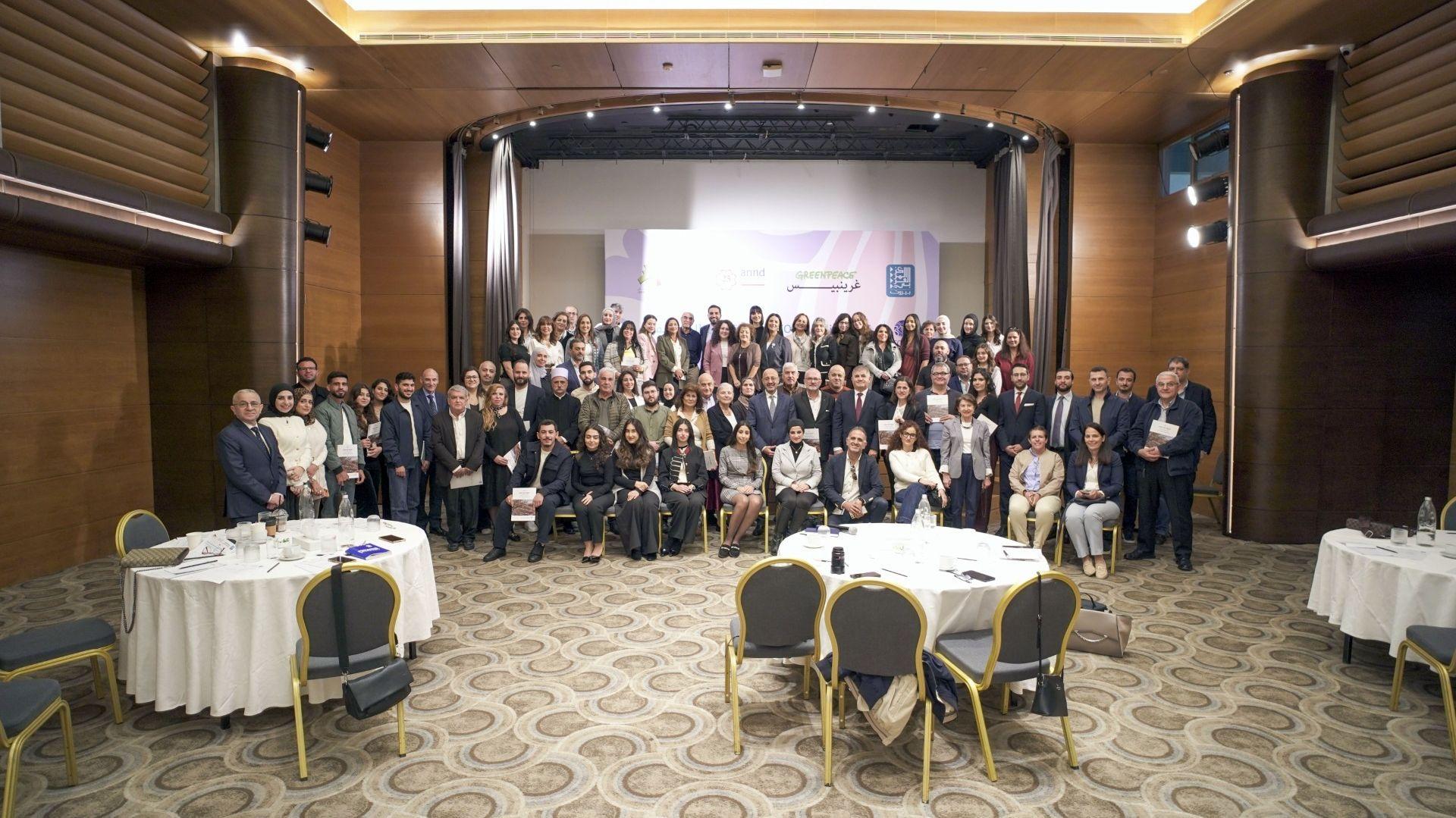
BEIRUT – Environmental experts and researchers have called for a shift from climate commitments to concrete action, with a focus on the needs of Arab countries affected by wars and crises. The call came during a conference held in Beirut titled “COP31: From Commitments to Implementation – How Will Arab Countries Affected by Wars and Crises Address Climate Change?”
The conference was organized by the Arab Center for Research and Policy Studies – Beirut, in partnership with the Arab NGO Network for Development (ANND), Greenpeace Middle East and North Africa, and the Lebanon Reforestation Initiative (LRI), alongside the 31st United Nations Climate Change Conference (COP31) in Antalya, Türkiye.
The event also saw the launch of an environmental press dossier titled “The Environment in Lebanon: How Do We Address the Impacts of War, the Climate Crisis, and Environmental Degradation?” featuring articles by several environmental specialists.
Ziad Abdel Samad, Executive Director of ANND, said climate change is not merely an environmental or technical challenge, but a human rights, development, and political issue linked to the fair distribution of resources and burdens, as well as prevailing economic and social models.
He stressed that sustainable recovery goes beyond green reconstruction and requires changes in production and consumption patterns and the management of natural resources. It also calls for public policies and legislation that ensure justice, transparency, and accountability, combat corruption, and involve citizens in decision-making.
Dr. Nasser Yassin, Director of the Arab Center for Research and Policy Studies in Beirut, noted that the region faces overlapping environmental crises, including climate change, chronic environmental degradation, and waste management challenges, alongside the destruction, displacement, and resource depletion caused by wars.
Yassin called for recognizing the environmental and climate costs of wars and linking them to recovery and financing efforts. He also urged the launch of programmes to support communities affected by conflict and stressed the need to hold those responsible for destruction accountable as part of environmental recovery.
The Environmental Cost of Wars and Climate Justice
During the first session, which addressed the environmental cost of wars and climate justice, Ghawy Nakat, Executive Director of Greenpeace Middle East and North Africa, presented the organization’s efforts to document ecocide in Lebanon and Gaza, and its calls for civilian protection, accountability for Israel, and an end to arms supplies to the country.
She also stressed the need to provide sufficient and accessible climate finance to countries across the region, particularly those affected by wars and crises, such as Lebanon. Such funding, she said, should be provided in the form of grants rather than loans, in line with the principles of climate justice.
Environmental writer and journalist Habib Maalouf called for measuring carbon emissions resulting from wars and seeking compensation from those responsible. He also proposed imposing a tax on the global arms industry and allocating its proceeds to climate funds.
Maalouf noted that most countries have rejected the inclusion of war-related emissions in previous climate summits, given their links to arms and militarization issues. He added that military spending in Lebanon accounts for approximately 26% of the state budget, compared with around 1% allocated to the Ministries of Environment and Agriculture combined.
Yara Abdel Khalek, a researcher at Public Works Studio, said discussions on militarization, wars, and ecocide remain largely absent from climate negotiations. She highlighted the need to link reconstruction efforts to environmental considerations and housing justice.
She added that Public Works Studio has been documenting Israeli attacks on Lebanon since October 8, 2023, through an interactive map, while also recording spatial changes in affected areas. The aim is to build a database that preserves the memory of these places and supports future reconstruction efforts.
Challenges to Green Recovery in Lebanon
During the second session, which examined ways to achieve green recovery amid ongoing crises, Raymond Khoury, Director General of the Green Project, presented initiatives supporting farmers, including land reclamation, the construction of lakes and reservoirs, and the development of agricultural roads.
He noted that the Gate project was launched last year to establish 25 mountain lakes, each with a capacity ranging from 50,000 to 100,000 cubic meters, directly linked to southern Lebanon. He also said that more than 6,000 applications for support from farmers across the country are still being processed as efforts continue to secure the necessary funding.
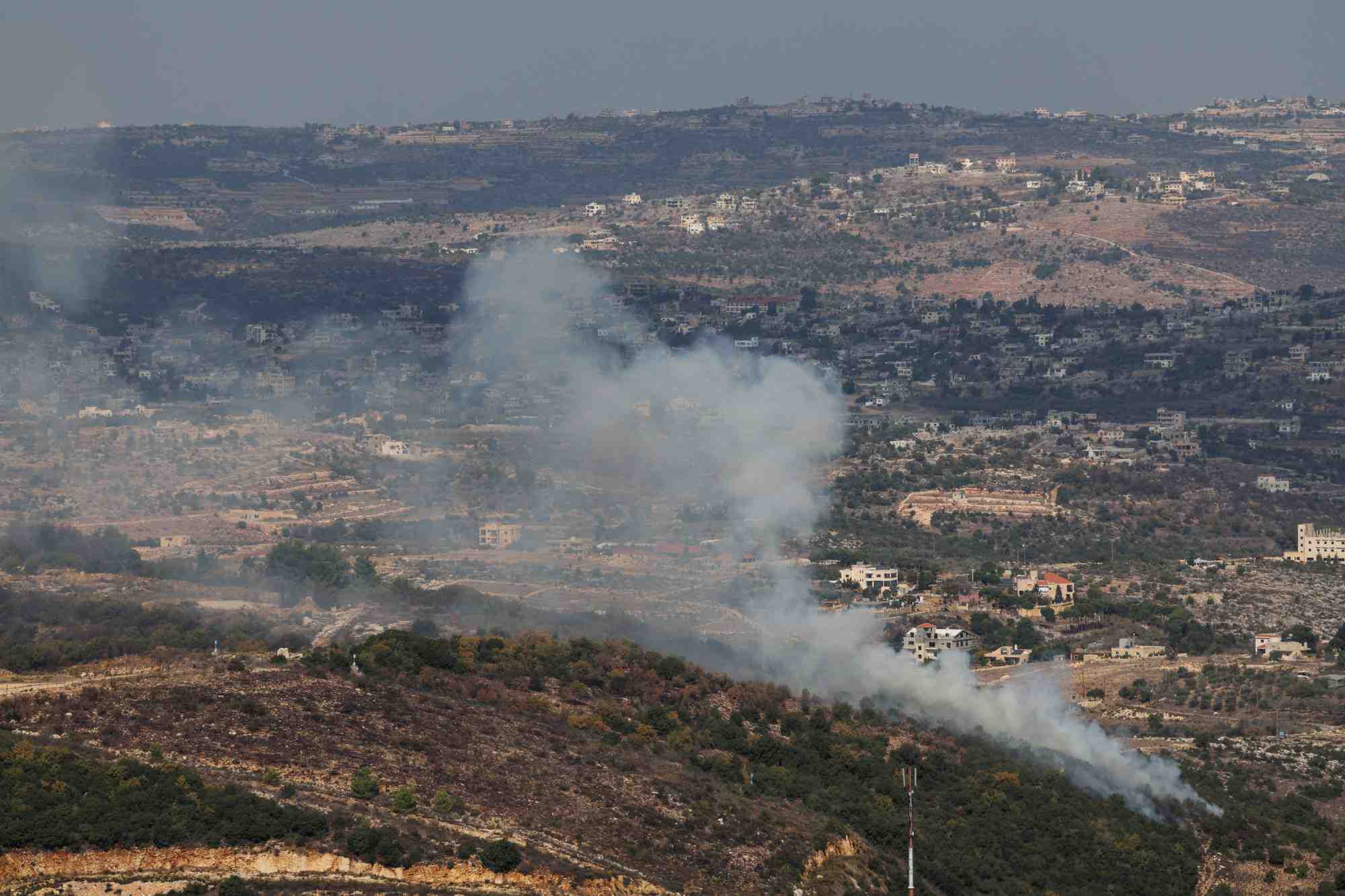
Dr. Maya Nehme, Executive Director of the Lebanon Reforestation Initiative, described the environmental situation in southern Lebanon as catastrophic, estimating that around 15,000 hectares were damaged during the last two wars.
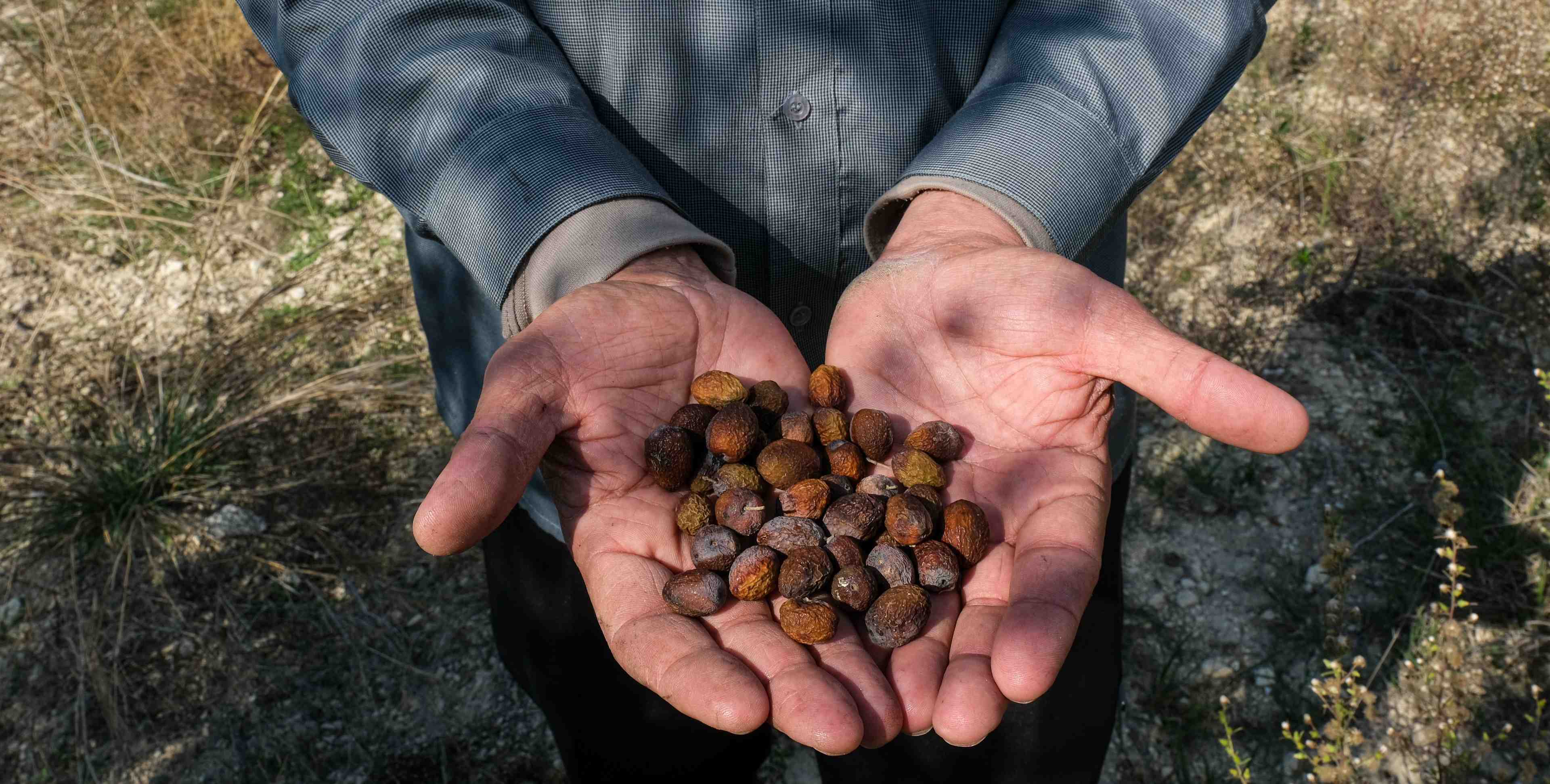
She said that tests conducted on more than 400 soil samples in the South, in cooperation with the Ministry of Agriculture and other partners, revealed the presence of heavy metals in several areas. These sites require treatment before the land can be used again for agriculture. She also noted that restoring soil and ecosystems will take time before agricultural activities can resume.
Antoine Kallab, adviser to the Minister of Industry and professor of environmental policy, announced the establishment of a Green Transition Unit within the Ministry of Industry and the ministry’s accession to the Climate Club, a United Nations initiative aimed at decarbonizing the industrial sector.
He said the ministry plans to launch a national strategy to decarbonize industry, stressing the importance of developing legislation that would allow construction rubble to be recycled and converted into raw materials for use in building.
Participants underscored the importance of strengthening cooperation between public institutions, civil society organizations, and experts, and of linking environmental policies to economic and social recovery to ensure a more sustainable response to the damage caused by wars and climate crises.