


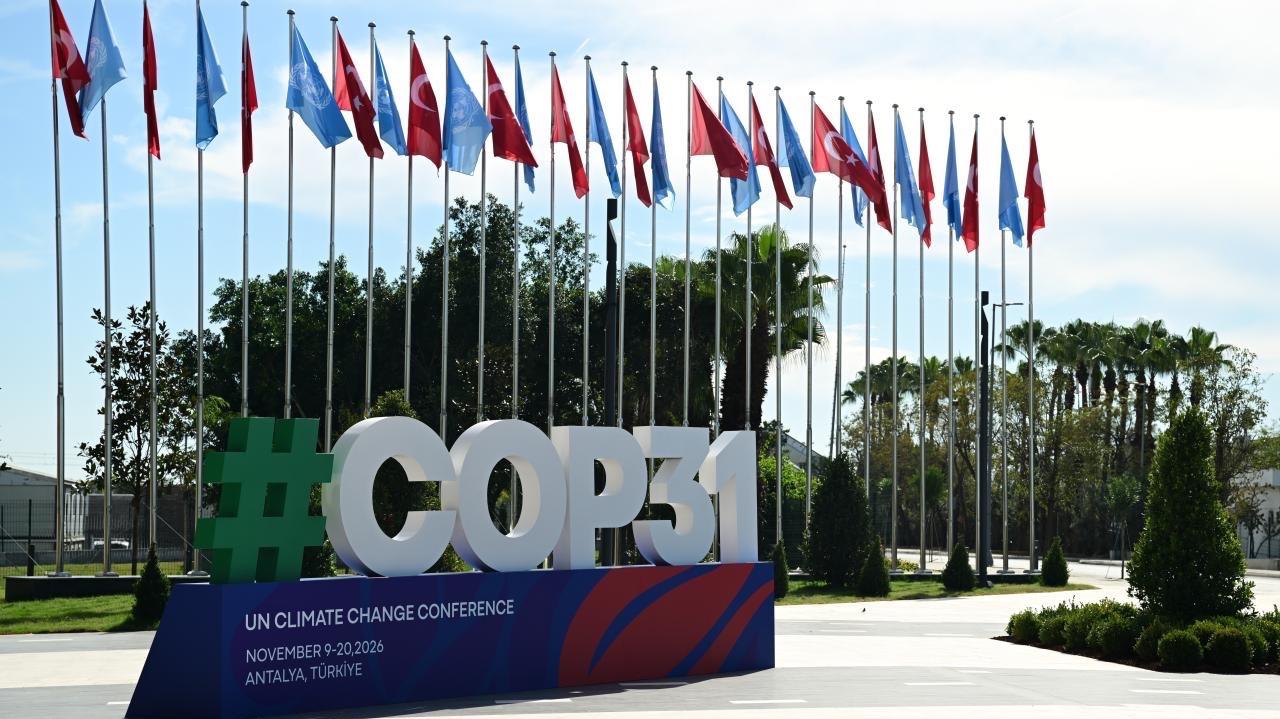
WORLD - Countries launched the second Global Stocktake under the Paris Agreement on Wednesday, November 18, to assess collective progress on climate commitments, as negotiations at the COP31 summit in Antalya remained deadlocked over financing, fossil fuels and the transition to cleaner energy.
The five-yearly assessment examines whether national climate plans and commitments are sufficient to reduce emissions, adapt to climate change and support countries most vulnerable to its effects.
The latest stocktake is scheduled for completion in 2028, making it the final assessment before 2030.
Two Years to Turn Commitments Into Action
The first Global Stocktake, completed at COP28 in Dubai in 2023, contributed to agreements to triple renewable energy capacity, double improvements in energy efficiency and accelerate the transition away from fossil fuels in energy systems.
UN climate chief Simon Stiell called on governments to translate those commitments into measurable progress.
"We have two years," he said, warning that the time remaining before the next assessment requires countries to accelerate implementation.
Meanwhile, 75 countries have backed Türkiye's 35x35 target, which aims to increase electricity's share of global final energy consumption to 35 percent by 2035.
21 Issues Remain Unresolved
Despite the launch of the stocktake, negotiations remained stalled on several major issues.
The COP31 presidency said 21 issues were still unresolved, including climate adaptation, financing, emissions reduction and a just transition.
New draft texts addressing these negotiating areas were expected early Thursday, November 19, as ministers sought to narrow differences before the summit's scheduled closing on Friday.
Disagreements also persist over the pace of the transition away from fossil fuels and the financing required to help developing countries meet climate commitments.
Climate Finance and a Just Transition
Climate finance remained a major point of contention, with developing countries calling for financial support to match the commitments made by wealthier nations.
Seher Raheja of India's Centre for Science and Environment said negotiations on financing were failing to produce sufficient progress.
"You cannot demand ambition from developing countries while withholding the means to deliver it," she said.
The discussions also addressed the concept of a just transition, which focuses on ensuring that workers and communities are not disproportionately affected as economies move away from high-emission industries.
Economist Mariana Mazzucato told UN News that climate policies should promote inclusive and sustainable economic growth, rather than focus exclusively on securing additional funding.
Gender and Climate Policy
Wednesday's discussions also focused on the role of women in climate planning and decision-making.
Brazilian climate negotiator Lilian Chagas warned that excluding women from climate science and policymaking could weaken countries' ability to develop effective responses to climate change.
Tuvalu Prime Minister Feleti Teo also highlighted the experiences of women adapting to rising sea levels and changing environmental conditions in the Pacific island nation.
As negotiations continue, governments face mounting pressure to translate climate commitments into practical measures while addressing differences over financing, energy policies and social protections.


