




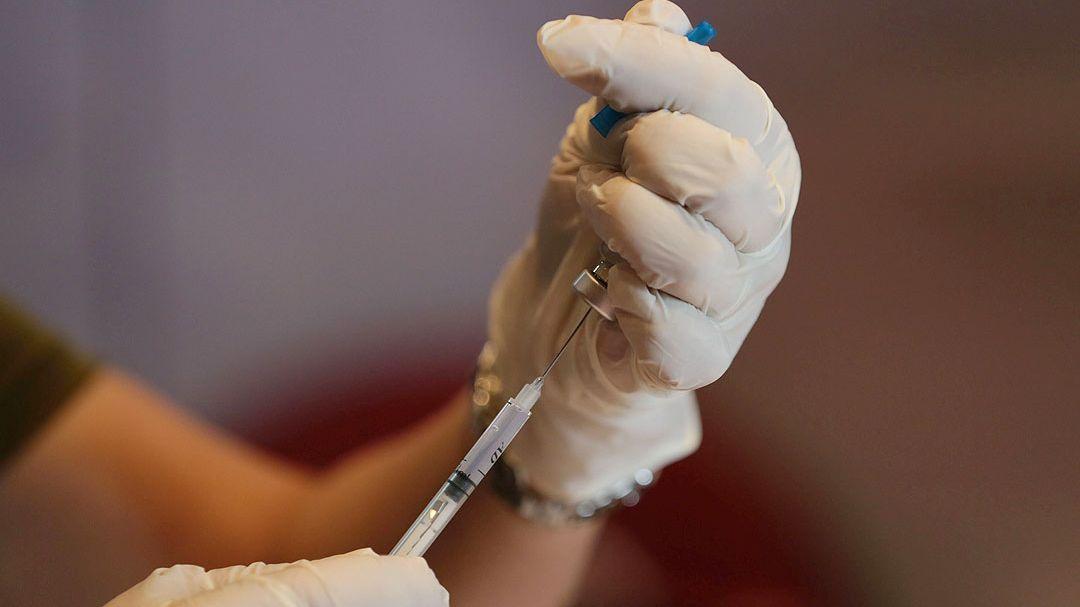
LEBANON – As influenza cases begin to emerge across Lebanon, access to the seasonal vaccine has become increasingly difficult. Its arrival on the local market was delayed by approximately six weeks, and the quantities available have reportedly been lower than in previous years.
The vaccine is usually available in early September, ahead of the onset of the flu season. This year, however, its arrival was delayed amid broader challenges affecting global vaccine production and supply chains.
In an interview with Enmaeya, Mersaco, a Lebanese company specializing in the import and distribution of pharmaceutical and healthcare products, attributed the delay to global production and supply constraints linked with updates to the seasonal influenza vaccine's composition.
These updates were made in line with World Health Organization (WHO) recommendations for the three influenza virus strains targeted by this season's vaccine, affecting manufacturing timelines and subsequent deliveries to markets worldwide, including Lebanon.
Limited Supply and Uncertainty Over Further Shipments
Mersaco confirmed that it had received two shipments of seasonal influenza vaccines this year, both of which have since been fully distributed across the Lebanese market.
However, the total volume of vaccines imported into the country remains unclear, as supplies are handled by multiple importers and distribution channels. The company said it does not have access to comprehensive figures on the total quantities entering the country.
Mersaco did not disclose the number of doses included in its first shipment or provide figures that would allow for a direct comparison with imports during the previous season. It nevertheless confirmed that the quantities available this year were lower than in previous years, citing constraints in global supply chains.
The outlook for additional supplies remains uncertain. As of November 25, no further shipments or additional quantities destined for Lebanon had been confirmed by the company, leaving questions over vaccine availability in the weeks ahead.
Meanwhile, the Ministry of Public Health launched its 2026 national seasonal influenza vaccination campaign on September 21. Under the campaign, the Ministry announced the availability of 10,000 vaccine doses for targeted and higher-risk groups, alongside the availability of the seasonal vaccine through pharmacies in the local market.
Is It Too Late to Get Vaccinated?
The delayed arrival and limited availability of the vaccine have raised concerns among people who have not yet been vaccinated, particularly as influenza cases begin to emerge. However, the fact that the vaccination season is already underway does not necessarily mean that the opportunity to get vaccinated has passed.
Mersaco recommends that individuals consult healthcare professionals to determine the appropriate timing of vaccination in light of their individual health circumstances. Citing guidance from the US Centers for Disease Control and Prevention (CDC), the company noted that influenza vaccination is generally recommended in the fall, beginning in October, but may continue beyond March.
This means that people who have not yet received the vaccine may still be able to benefit from vaccination later in the season. The timing and suitability of vaccination should nevertheless be discussed with a healthcare professional, particularly for individuals with specific health conditions or other medical considerations.
With vaccine supplies remaining limited and no additional shipments confirmed, access to the seasonal influenza vaccine continues to pose a challenge in Lebanon. For those who have yet to be vaccinated, the delay does not necessarily mean they have missed the opportunity. Consulting a healthcare professional and checking availability through reliable healthcare providers remain important steps as the influenza season progresses.