

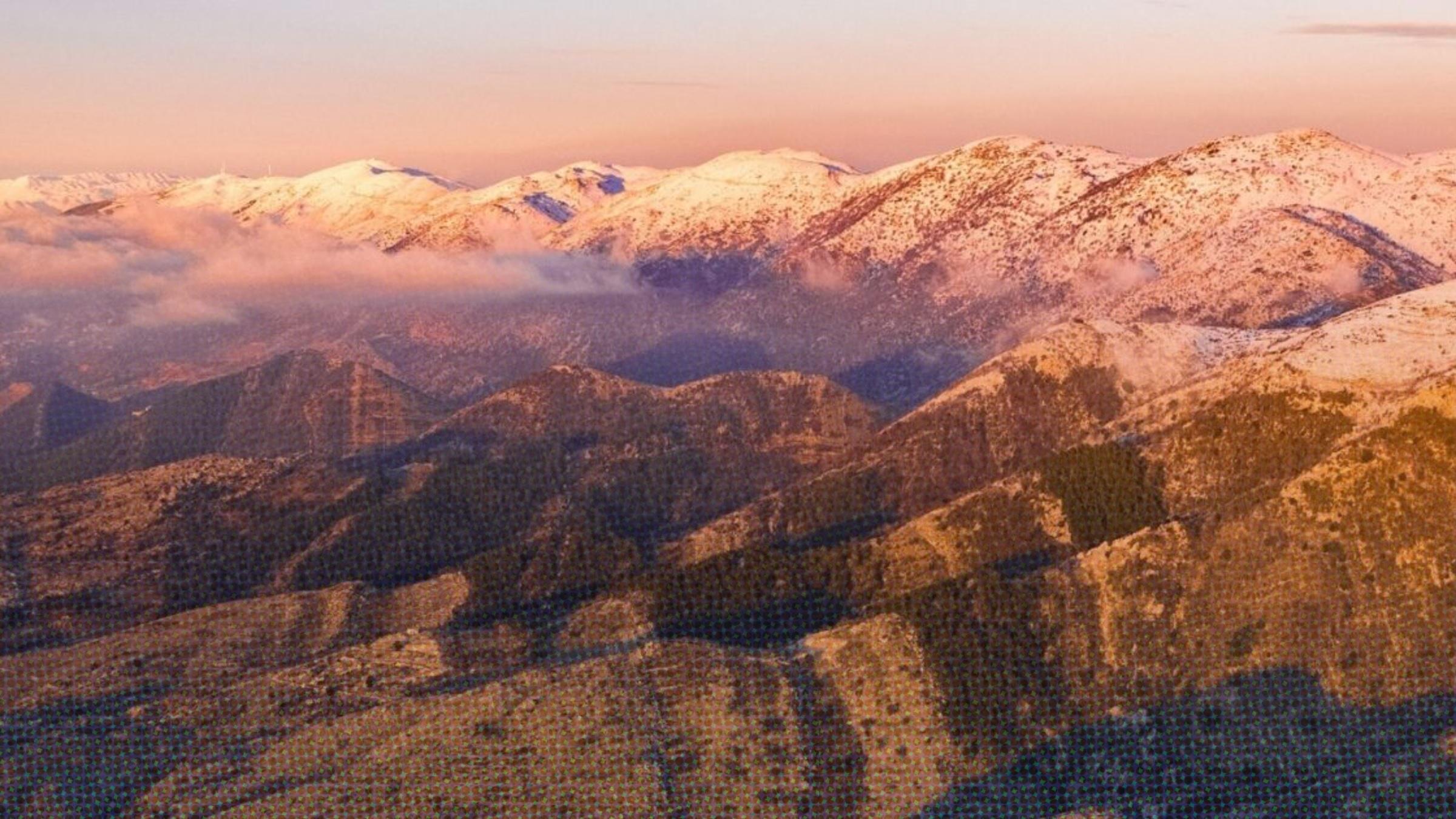
Lebanon is a land of dramatic terrains: towering mountain ridges, deep river valleys, rugged karst plateaus, and a geological history shaped by ancient seas, tectonic uplift, and long processes of erosion.
Few countries of its size concentrate on such diversity within such short distances. Yet while Lebanon’s cultural and natural heritage are widely celebrated, the geological wealth remains largely under-explored as a tourism asset.
At a time when travelers around the world are looking for nature-based, educational, and low-impact experiences, Lebanon stands at an important crossroads. Can the country move beyond tourism that is limited to certain seasons and concentrated in a few cities? Can it invest in geotourism that creates lasting economic opportunities while protecting its unique geological landscapes and supporting rural communities?
What is Geotourism?
Geotourism is often seen as something reserved for scientists or specialists. In reality, it is much broader than that. It is a form of tourism that protects and celebrates the natural character of a place, while also connecting geology to biodiversity, culture, landscapes, and local livelihoods. At its heart, geotourism is about storytelling: helping visitors understand how landscapes were formed, how communities have lived with them over time, and why they still matter today.
International experience shows that geotourism can deliver real benefits. It tends to attract visitors who stay longer and spend more time. It helps spread tourism across different regions and seasons instead of concentrating on a few hotspots. And it supports education, conservation, and rural development at the same time.
According to UNESCO’s Global Geoparks Network, geotourism sites often become anchors for local economies by combining interpretation, small-scale enterprises, and conservation financing. Rather than replacing existing tourism, geotourism adds depth and resilience to destinations.
Lebanon’s physical geography makes it particularly well suited to this model. The Lebanon Mountain Trail (LMT), a 470-kilometer national hiking trail extending from Akkar to Marjaayoun, crosses a mosaic of geological formations, ecological zones, and traditional agricultural landscapes. Within this larger framework, the Jbeil mountainous area offers a compelling example of how geotourism can be operationalized on the ground.
Geotrails along the LMT in Jbeil: From Pathways to Learning Landscapes
In the high mountains of Jbeil, parts of the Lebanon Mountain Trail have been developed into Geotrails: thematic paths that help visitors understand the area’s geology, landforms, ecosystems, and traditional land use. These trails do more than mark a route on a map. They are carefully designed experiences that turn a simple hike into an opportunity to learn, reflect, and connect more deeply with the landscape.
Place-Based Interpretation and Storytelling
One of the most important lessons from the Jbeil Geotrails is the shift from naming features to explaining their significance. Limestone formations are interpreted in relation to ancient marine environments; fossils are linked to climatic history; karst systems are explained through their role in groundwater storage and spring formation.
Crucially, interpretation also connects geology to human activity. Stone terraces, seasonal grazing routes, and water-harvesting systems illustrate how communities historically adapted to their environment. This integrated narrative deepens visitor engagement and reinforces respect for both natural and cultural heritage.
Evidence from visitor feedback along the LMT suggests that interpretative elements increase the trail attractiveness, valorize time spent on-site, and encourage repeat visits, especially among schools, universities, and international hikers seeking meaningful experiences.
Community-Engaged Development and Economic Incentives
A key strength of the LMT Geotrails is the strong involvement of local communities. Local guides, guesthouse owners, and residents are not on the margins of the experience; they are central to it. Studies conducted within LMT-related projects show that spending on accommodation, guiding services, and local food creates ripple effects in mountain villages. It supports additional household income and helps reduce the pressure that pushes people to leave in search of work elsewhere.
Research published in international journals also shows a clear pattern: when communities see real economic benefits from tourism, they are more willing to support conservation efforts and limit harmful practices. In Jbeil, this connection between income and environmental stewardship is becoming increasingly evident.
Low-Impact Infrastructure and Landscape Sensitivity
Geotrails in Jbeil demonstrate that tourism infrastructure does not need to be intrusive to be effective. Trail alignment follows natural contours; signage is discreet, and materials are chosen to blend with the landscape. This approach minimizes erosion, protects vegetation, and preserves scenic quality—critical factors in mountain ecosystems already stressed by climate variability and land-use change.
Capacity Building and Knowledge Transfer
Training local guides has been a crucial step. Beyond creating jobs, these programs build skills, confidence, and local expertise that remain in the community. They also encourage knowledge transfer across generations. Over time, guides become ambassadors for both conservation and culture. They can explain scientific ideas in simple terms, share local stories and traditions, and connect visitors more meaningfully to the landscape.
Balancing Tourism Development, Conservation, and Community Well-Being
To scale up geotourism responsibly, Lebanon must adopt a deliberate and evidence-based approach. Several practical steps stand out:
1. Define Zoning and Carrying Capacities: Mountain ecosystems host rare flora, fauna, and geological features. Clear zoning, distinguishing core conservation areas from low-impact recreation and community tourism zones, helps prevent degradation. Carrying capacity assessments for popular trails and attractions are essential to avoid overuse and landscape deterioration.
2. Invest in Monitoring, Research, and Economic Valuation: Systematic monitoring, visitor flows, and socio-economic impacts allows managers to adapt interventions over time. Economic valuation of ecosystem services and tourism benefits can strengthen the case for conservation investment and guide funding allocation.
3. Strengthen Cross-Sector Partnerships: Tourism, environment, and education policies must be aligned. Universities, NGOs, municipalities, and national authorities can jointly develop curricula, research programs, and destination strategies that reinforce sustainability objectives.
4. Support Local Enterprises and Value Chains: Access to micro-finance, technical assistance, and marketing platforms can help local entrepreneurs develop guesthouses, guiding services, artisanal products, and farm-based experiences. Linking geotourism to local value chains increases authenticity and increases economic benefits.
5. Mainstream Environmental Education: Geotrails, visitor centers, mobile apps, and educational programs can raise awareness among visitors and residents alike. Education is a long-term investment that shapes behavior, builds pride, and fosters conservation ethics.
Lebanon’s high mountains are more than scenic landscapes. They are a strategic yet underused asset for sustainable development. The experience of LMT Geotrails in Jbeil shows that geotourism is not an abstract idea. It is a practical and scalable model that connects environmental protection, local economies, and meaningful visitor experiences.
With thoughtful planning, strong partnerships, and continued investment in local capacity, Lebanon can turn its geological heritage into a driver of learning, stewardship, and shared prosperity. The foundations are already there. What is needed now is the ambition to move from isolated projects to a coherent national vision for geotourism.
Jad Abou Arrage, PhD. Associate Professor and Development Practitioner