


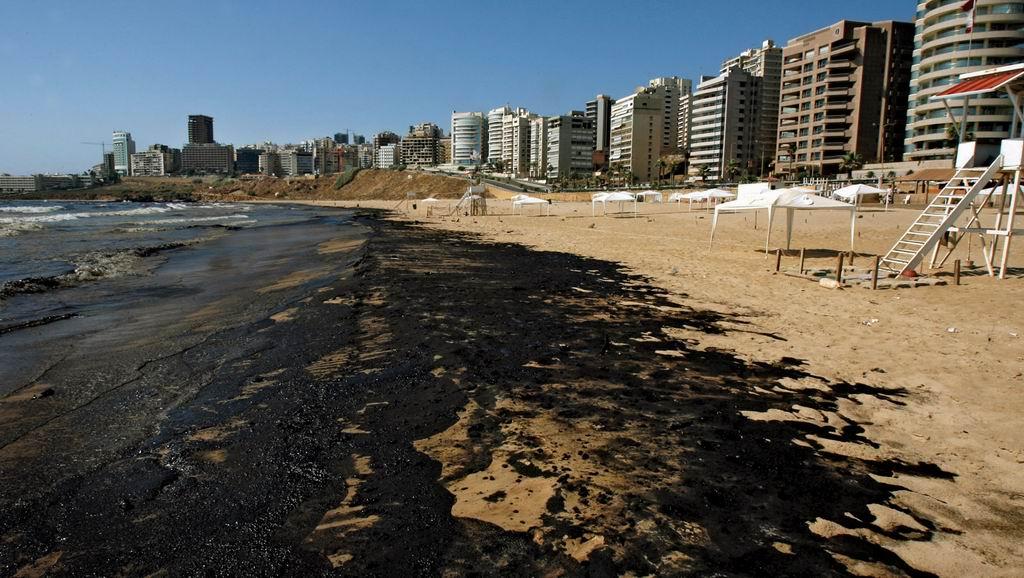
LEBANON - In July 2006, Lebanon endured an environmental disaster along its coastline. The Israeli attack of the Jiyyeh power plant released an estimated 15,000 tons of heavy fuel oil onto Lebanon’s coastline. This established a historical precedent for environmental harm during wars in Lebanon.
Today, while airstrikes target Lebanese cities, villages, and ecology, understandably, attention and media coverage must focus on the human death toll of the war, which has surpassed 2,000. Nearly two decades later, the lessons of Jiyyeh remain relevant, especially as Lebanon once again faces the environmental public health risks that accompany armed conflict.
The Global Atlas of Environmental Justice attempts to document ongoing environmental justice cases across the world globe, with cases including the Jiyyeh Oil Spill and the reported illegal use of White Phosphorus by Israel on Lebanese soil more than 195 times across 30 villages in Lebanon.
To give proper weight to what is at stake, it is essential to frame the environmental attacks on Lebanon not simply as environmental damage, but as a severe and lasting public health and environmental crisis affecting communities across the country.
Environmental systems do not adhere to municipal, regional, or sectarian boundaries. Damage to Lebanon’s land and coastline is therefore a national concern, not a localized crisis. Environmental harm during times of conflict must be recognized as a direct threat to public health, economic recovery, food security, and overall national stability.
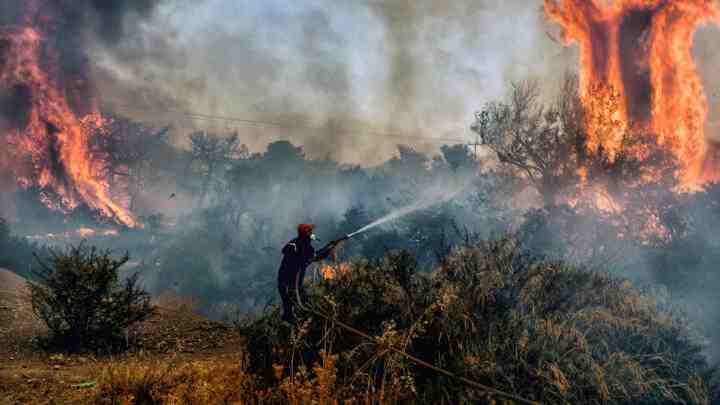
Building on the precedent of the Jiyyeh oil spill, current environmental concerns in South Lebanon are increasingly tied to the reported use of white phosphorus and its impact on land, agriculture, and civilian areas. In places like Aita El-Chaab, military destruction, displacement, and environmental contamination converge within the same locality, compounding both ecological damage and public health risks. This pattern is not isolated: satellite imagery indicates widespread environmental and physical destruction across dozens of villages in South Lebanon, with some reports documenting damage in at least 50 communities.
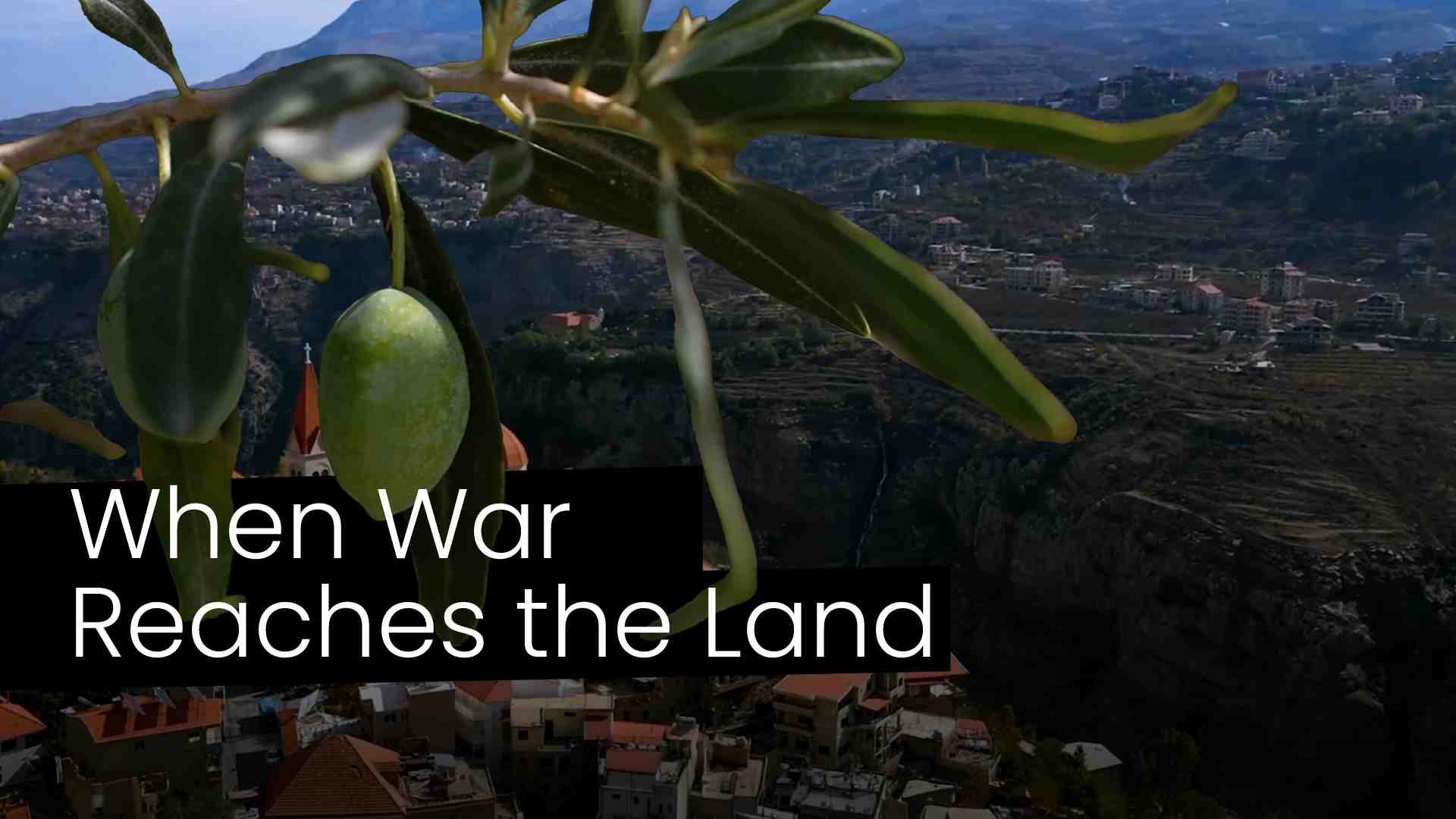
South Lebanon has a long-standing agricultural tradition and plays a vital role in Lebanon’s food production. Research from the American University of Beirut indicates that exposure to white phosphorus can harm vegetation, with existing plants suffering effects such as desiccation, dieback, and wilting.
Beyond immediate crop damage, the public health implications extend further. The use of white phosphorus on Lebanese soil can affect not only natural and built infrastructure systems but also contaminate soil, rivers, and aquifers, which are resources that communities rely on for drinking water, irrigation, and daily use.
This raises concerns for any population consuming or using water drawn from these sources. Notably, AUB researchers estimate that up to 10% of white phosphorus residue may remain in soil or water, increasing the risk of prolonged environmental contamination.
Such contamination carries long-term health implications for residents and for communities across Lebanon that depend on agricultural output from the south. As Lebanon’s farmers and agricultural systems sustain towns nationwide, damage to southern farmland is not a localized issue but a national concern for food security and safety.
The Jiyyeh oil spill and the repeated use of white phosphorus today demonstrate how attacks on infrastructure and landscapes create environmental consequences that persist long after active fighting, extending well beyond the immediate moment of conflict. Damage to residential neighborhoods, agricultural land, water systems, and energy infrastructure disrupts ecosystems and heightens public health risks.
Remediation itself is increasingly at risk amid growing national instability. The ongoing conflict continues to accelerate the country’s brain drain, including engineers, environmental specialists, and other experts essential for assessing soil contamination and restoring agricultural land. Retaining this technical capacity within Lebanon is critical to safeguarding food security, public health, and long-term environmental recovery.
Environmental attacks on Lebanon should therefore not be viewed solely as ecological destruction, but as a profound public health and economic crisis. When Lebanon’s land, sea, and air are targeted, the consequences are collectively borne. Protecting the environment is not simply about preserving natural resources, but about safeguarding health, livelihoods, and the country’s shared future.
In times of uncertainty, environmental protection can also serve as a unifying force; an expression of national resilience that transcends sectarian divides and brings together Lebanon’s diverse communities.
Tia Azzi, Urban Planner, MCRP.