






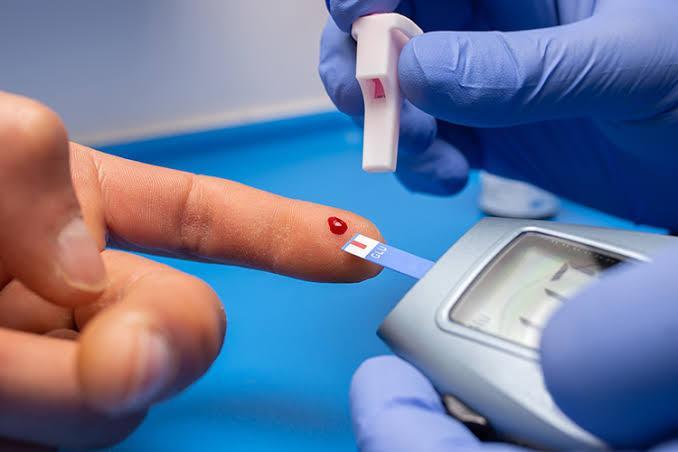
WORLD - There is a calculation I have been running, without pause, since I was 13.
Before I eat, I estimate carbohydrates. Before I sleep, I check my blood sugar. Before a walk, an argument, or a stressful exam, I factor in how my body might respond.
When I wake at 3 a.m. to an alarm from my glucose monitor, I am not just treating low blood sugar; I am managing the quiet fear that my own body is unpredictable, and that inattention, even briefly, carries real consequences.
This is life with Type 1 Diabetes (T1D). And for years, the conversation around it focused almost entirely on the body: on insulin, on numbers, on clinical targets. The mind barely entered the picture.
Type 1 Diabetes is an autoimmune condition in which the pancreas produces no insulin. Unlike Type 2, it has no behavioral cause, no cure, and no days off.
From the moment of diagnosis, the person living with it becomes a round-the-clock medical decision-maker, tracking blood glucose levels, calculating insulin doses, accounting for food, activity, stress, illness, and sleep, all while trying to simply live their life.
What rarely gets named is the cognitive and emotional burden this creates. In the research literature, this is increasingly referred to as diabetes distress, a condition distinct from clinical depression, characterized by persistent worry, emotional exhaustion and a sense of being overwhelmed by the relentless demands of self-care. Studies suggest that between 30 and 40 percent of people with diabetes experience significant distress, with rates considerably higher among adolescents and young adults.
For youths, the timing matters enormously. Adolescence is already a period of intense psychological development: identity formation, social belonging, and growing independence.
Add to that the unrelenting mental labor of diabetes management, and the result is a kind of invisible double shift: the developmental work every young person must do, compounded by the chronic vigilance that T1D demands.
What the Numbers Cannot Capture
I remember nearly two weeks ago, sitting in class during exam season, barely able to focus, not because I hadn't studied, but because my blood sugar had been unstable for three days. I had been adjusting doses, skipping food, and waking through the night. By the time I sat down to take the exam, I had already fought a small war that no one in that room could see.
This is where clinical metrics fail us. An HbA1c result, the standard three-month average of blood glucose control, tells a doctor whether management is "working."
It does not tell them how many nights a young person lies awake worrying, how many social events they quietly dread because eating in public means explaining themselves, or how exhausted they are from the simple act of existing in a body that requires this much attention.
The emotional cost of sustained vigilance is real and cumulative. It manifests as irritability, withdrawal, a growing sense of resentment toward one's own body, feelings that are rarely welcomed in clinical settings, where the emphasis is on compliance and control rather than on the interior life of the patient.
What Youth Living with T1D Need from the Adults Around Them
From my viewpoint as someone living with T1D, and from conversations with others who share this experience, I would like to offer the following to anyone who deals with us:
Acknowledge the cognitive load. Before asking a young person why their numbers are off, ask how they are doing (really). The management of T1D is cognitively demanding in ways that intersect directly with academic performance, emotional regulation, and social engagement.
Separate the person from the condition. Young people with T1D often internalize poor glucose readings as personal failures. Reframing management as a skill practiced under imperfect conditions can meaningfully reduce shame and self-blame.
Create space for contradiction. It is entirely possible to be diligent about one's health and still feel exhausted by it. Allowing young people to express frustration, grief, or anger about their diagnosis validates an experience that is often minimized. Doing so without rushing toward solutions or reassurance, too.
Integrate mental health into diabetes care. Psychosocial screening should be a routine part of diabetes management, not an afterthought. Practitioners who understand the overlap between chronic illness and burnout, anxiety, and depressive symptoms are better positioned to support the whole person.
Living with Type 1 Diabetes taught me, earlier than most, that the mind and body are not separate systems. The mental labor of self-management is not a side effect of the condition but a part of the condition itself.
When we expand the frame of youth wellbeing to include the invisible cognitive and emotional work of chronic illness, we begin to see young people more fully. And that fuller seeing is, often, the beginning of real support.
Written By: Nma Dhahir
Writer's Bio:
Nma Dhahir is a young writer living with Type 1 Diabetes. Drawing from her lived experience, she reflects on the psychological and emotional weight of chronic illness among young people, including the exhaustion of constant self-monitoring and the gap between outward appearance and internal struggle. Through poetry and reflective writing, she gives voice to what medical numbers and charts often leave out.