






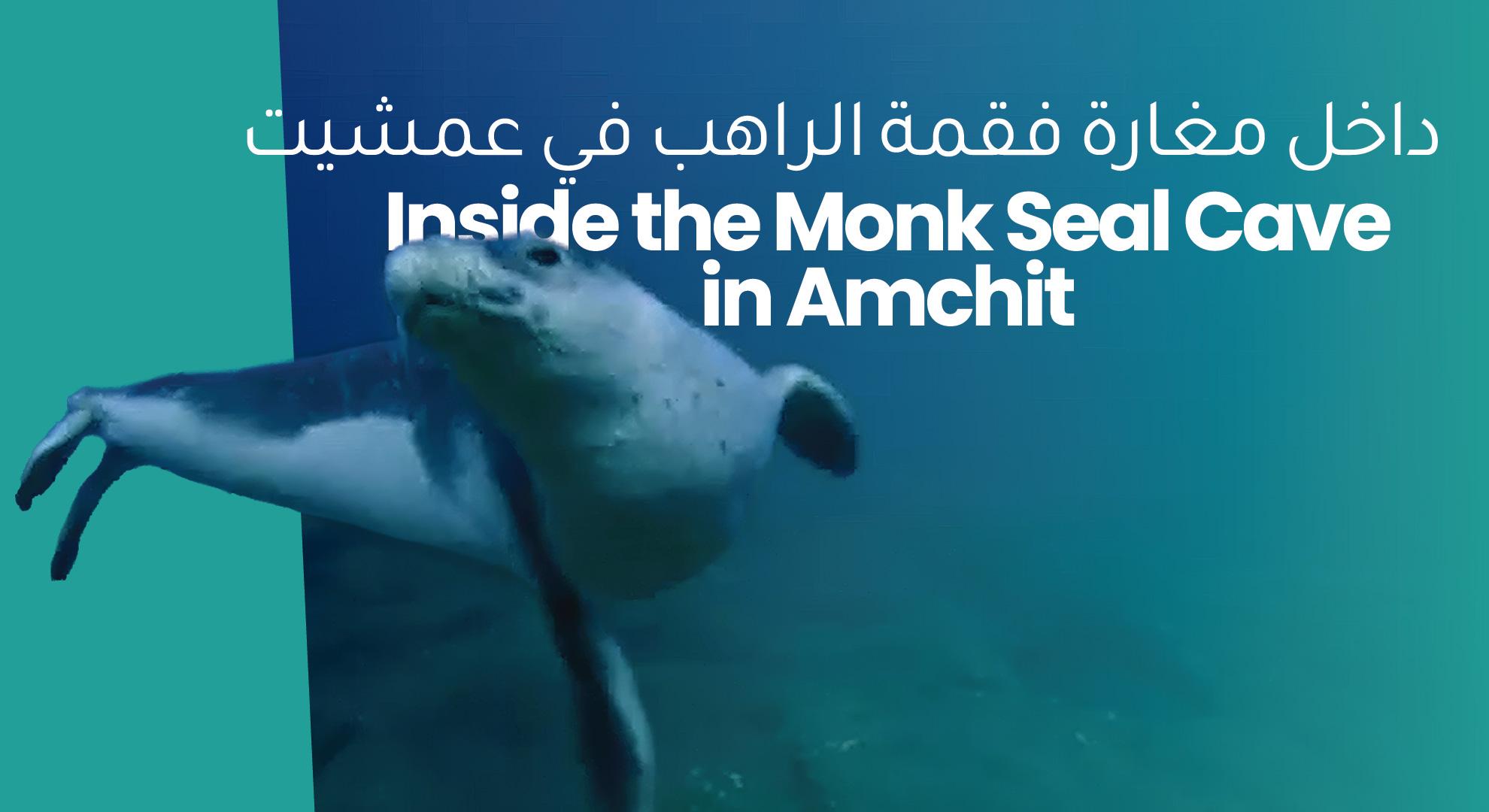
The Monk Seal Cave in Amchit captured national attention last year after reports of illegal construction above it sparked environmental concern across Lebanon. But why is this cave so important, and why did the endangered Mediterranean monk seal choose it as a refuge?
This episode explores the ecological significance of the Amchit cave and its role in the survival of one of the world’s most endangered marine mammals. Unlike many marine animals, Mediterranean monk seals cannot sleep in the water. They need a quiet, dry shore where they can rest safely, give birth, and raise their pups away from human disturbance. The cave in Amchit is unique because it contains a dry internal beach, providing the exact conditions the seals need to survive and reproduce.
The episode also highlights how the sea inside the cave creates a protected space where mother seals can safely teach their pups how to swim and hunt. These rare features make the cave exceptionally suitable compared to many other coastal caves that lack safe resting areas or protection from human activity.
However, increasing construction and human presence along the coast threaten not only the monk seals but also Lebanon’s fragile marine ecosystems. Over the past decades, the country has lost nearly 80% of its natural coastline. The Amchit cave remains one of the last ecological refuges along the Lebanese shore. Through expert insights, this episode explains why protecting this site is not only a legal obligation under Lebanese environmental laws and international conservation agreements, but also a critical step toward preserving Lebanon’s natural heritage. The Monk Seal Cave is more than just a cave. It is a sanctuary for a species on the brink of extinction and a powerful reminder of the urgent need to protect the environment.


