


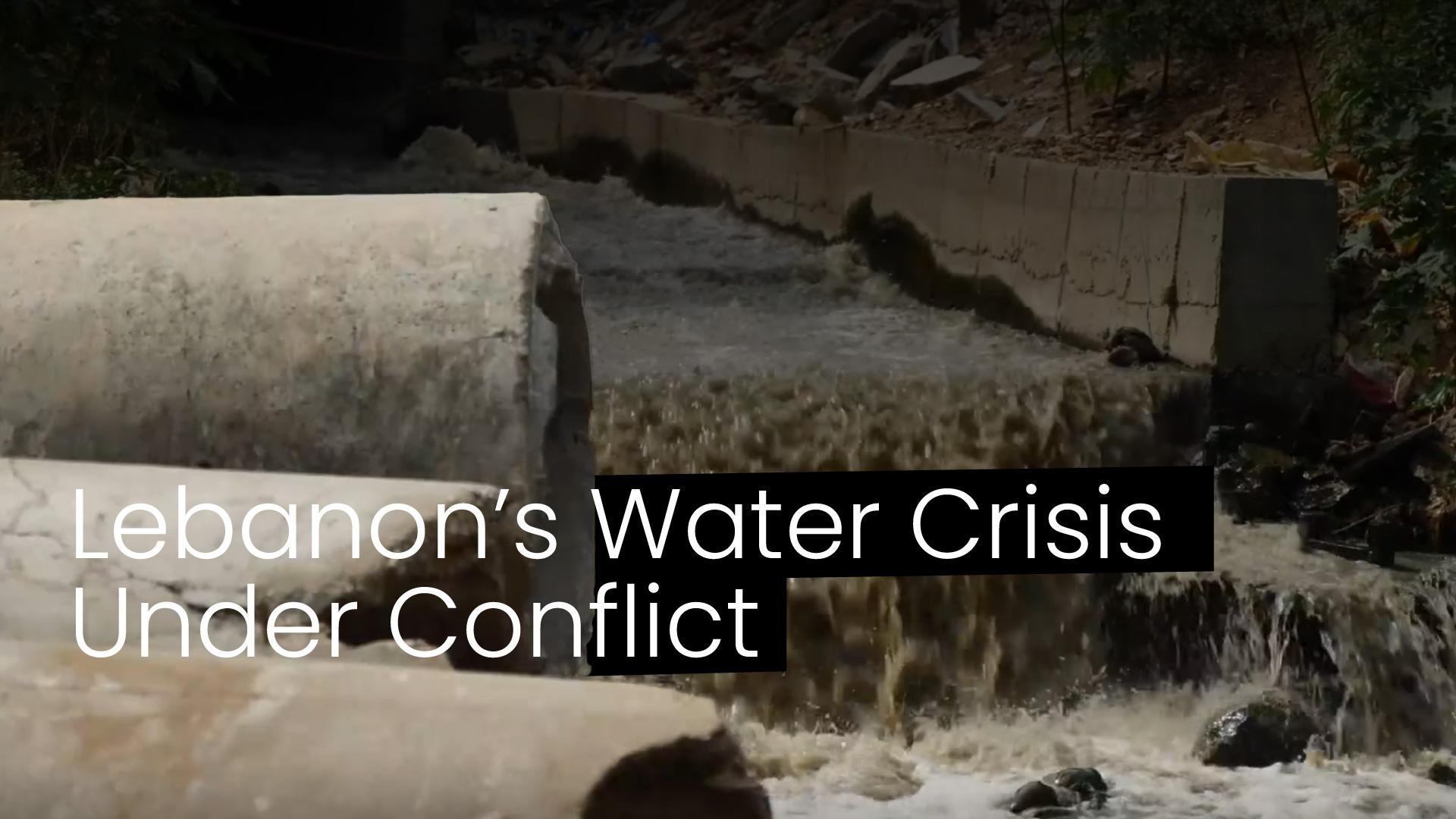
This episode, released in recognition of World Water Day, explores the growing water crisis in Lebanon as conflict continues to damage critical infrastructure and disrupt access to safe drinking water. Across the country, debris, chemical residues, and fires are contaminating rivers and groundwater, while repeated damage to water networks is limiting supply to cities, towns, and rural communities.
Since 2023, at least 34 water facilities have been affected, placing increasing pressure on already fragile water and sanitation systems. With the ongoing escalation expected to impact around 1.3 million people, access to clean water is becoming more uncertain—especially for displaced communities.
As shelters receive more than 100 new displaced individuals daily, the demand for water and emergency services continues to rise. Humanitarian efforts are working to respond, providing hundreds of thousands of liters of bottled water, trucked water for daily use, and fuel to keep water systems operational. So far, more than 400,000 displaced people have been able to access clean water despite the challenges.
Marking World Water Day, the episode also highlights the broader risks to public health and the environment, as polluted water sources and damaged sewage systems increase the likelihood of disease and threaten marine ecosystems.
By unpacking these challenges, the episode raises a critical question: how can Lebanon protect its water resources and ensure sustainable access to safe drinking water in the face of ongoing conflict?