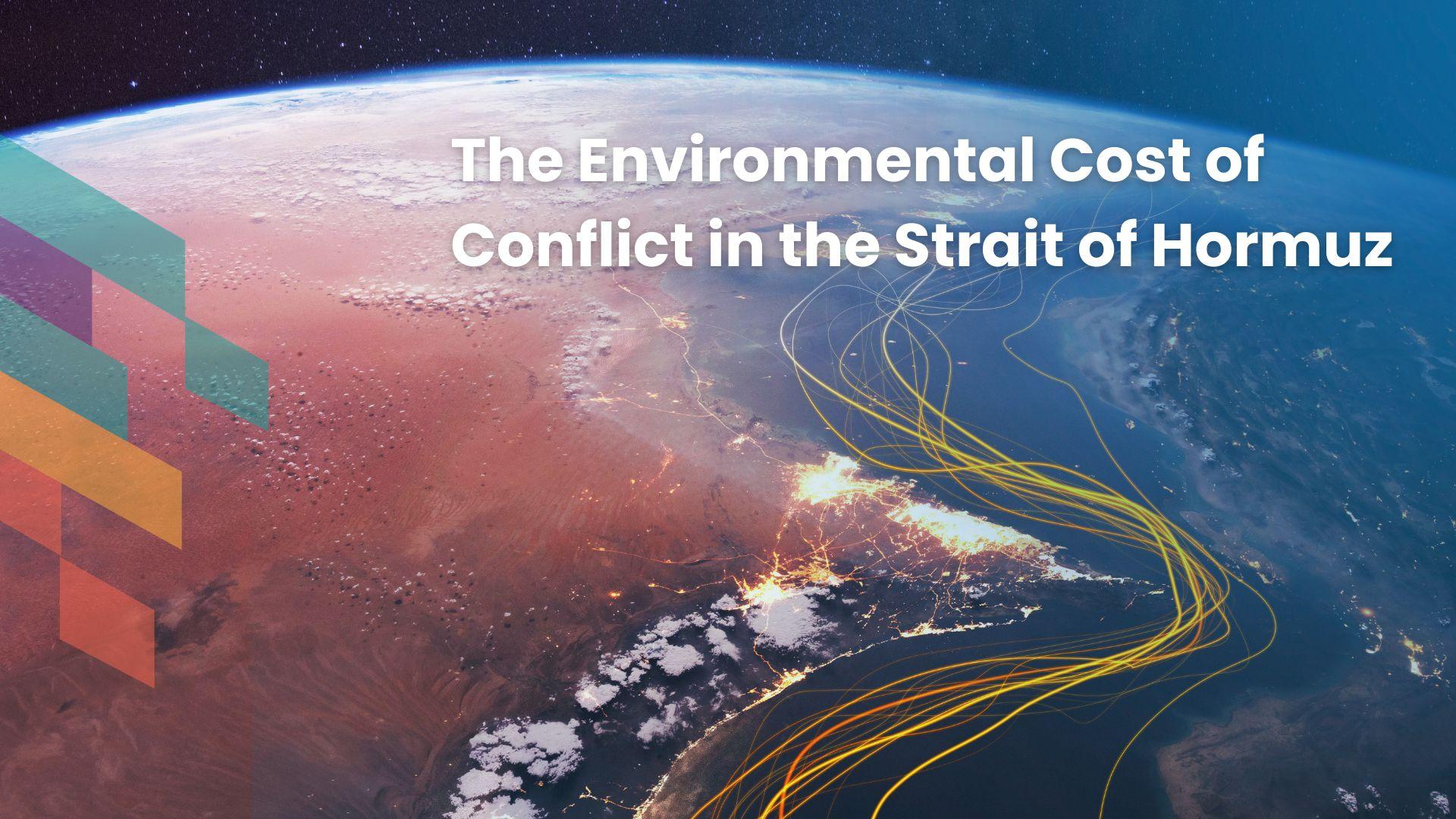
This episode explores the environmental importance of the Strait of Hormuz, one of the world’s most strategic waterways and a vital hotspot for marine biodiversity. Home to over 2,000 marine species, including sea turtles, dugongs, and hundreds of fish species, the region’s ecosystems rely on fragile habitats such as coral reefs, mangroves, and seagrass beds.
As conflict intensifies in the region, the environmental risks are growing. Attacks on oil facilities, ships, and energy infrastructure raise the threat of pollution in waters that naturally take years to flush. Even small-scale leaks can accumulate over time, damaging ecosystems that are essential for marine life and coastal communities.
The episode highlights how pollution, noise, and habitat destruction affect marine species, from disrupting migration patterns to threatening food sources. With fisheries, food security, and livelihoods at stake, the health of the Gulf is deeply connected to human well-being.
This is not only an environmental issue, it is a reminder of how conflict can reshape ecosystems for decades. Protecting the Strait of Hormuz means preserving biodiversity, supporting communities, and safeguarding the future of the region’s marine environment.