






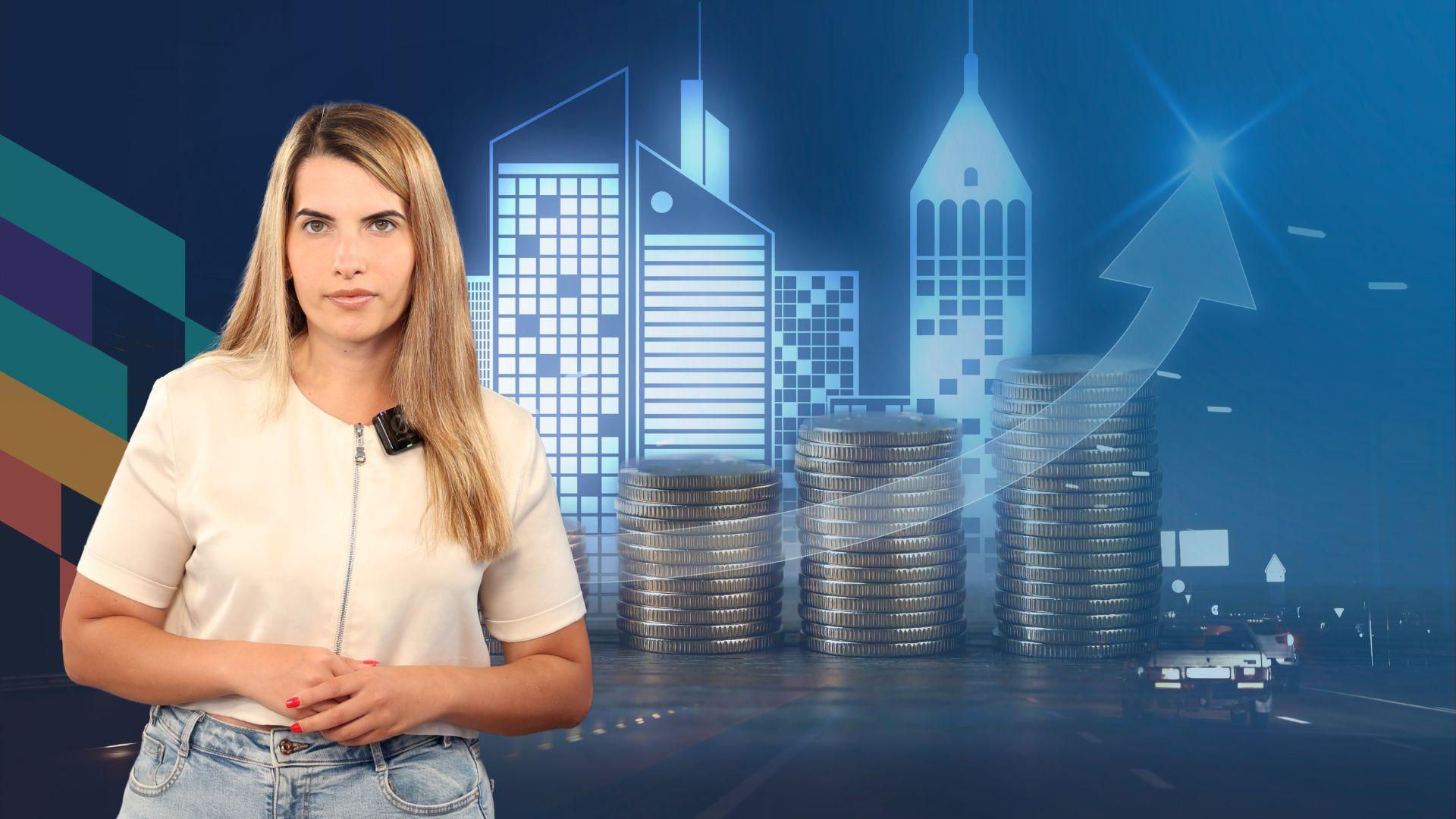
What Is the IMF? And Can It Really Save an Economy?
2026|02:39
When countries face economic collapse, currency crises, or severe financial pressure, one institution is almost always part of the conversation: the International Monetary Fund (IMF).
This explainer breaks down what the IMF is, why it was created after World War II, how its lending programs work, and why countries such as Egypt, Jordan, Tunisia, and Morocco have turned to it during periods of economic hardship.
We also examine why IMF programs often help restore short-term economic stability but do not always lead to lasting economic growth. Finally, we explore Lebanon's ongoing negotiations with the IMF, the reforms required to unlock financial assistance, and why implementation remains one of the country's biggest challenges.
Cast:
Maria Rahhal
More like this

The Hidden Cost of Plastic in Fashion

Lebanon’s Growing Waste Emergency
Related Videos

Beyond Shark Tank: Inside the Mind of an Entrepreneur with Alain Bejjani
Beyond Shark Tank: Georges Karam on Entrepreneurship in Lebanon

Beyond Shark Tank: Maroun Chammas Reflects on a Lifetime of Entrepreneurship