


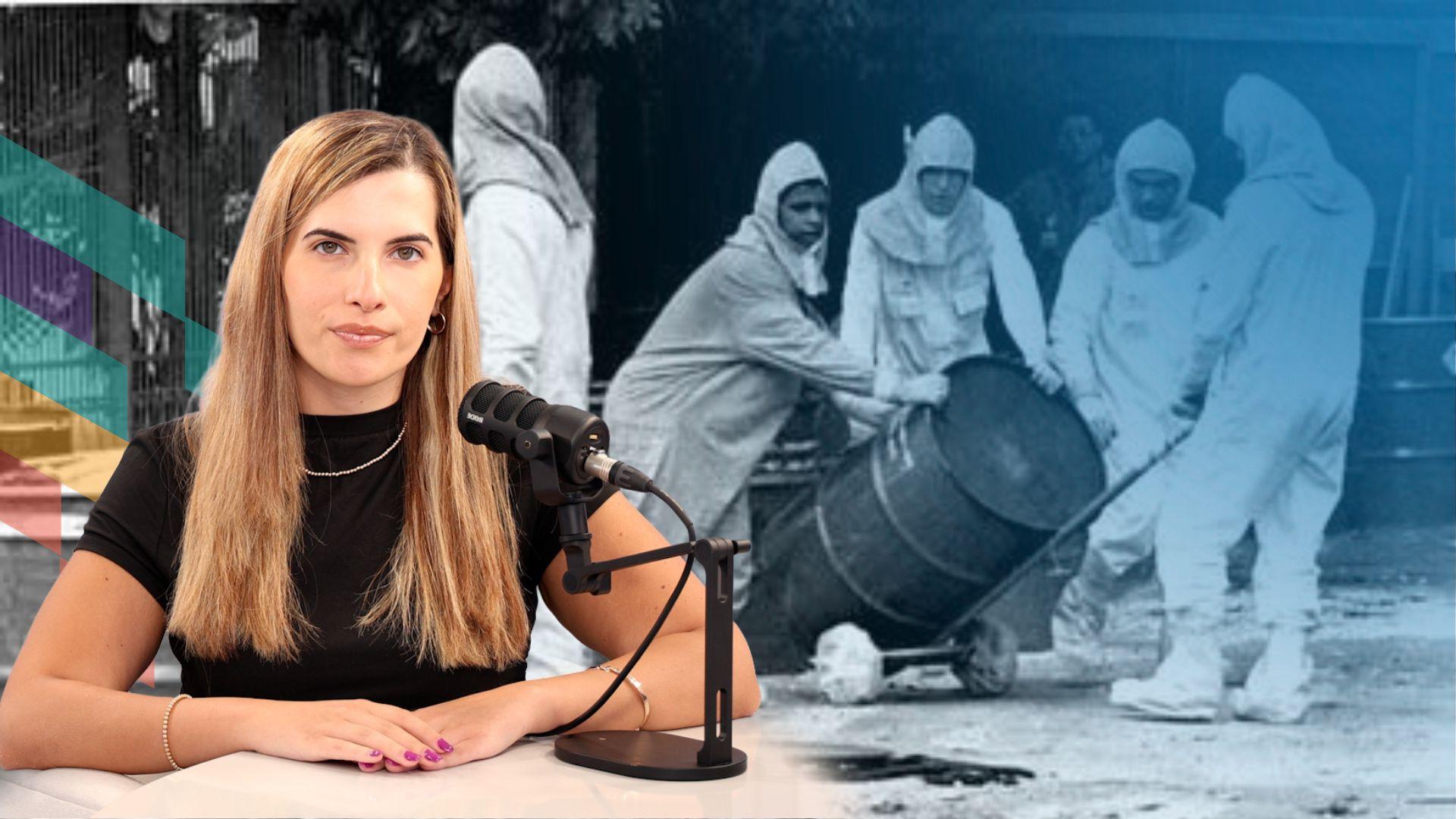
A radiation disaster that took place in Goiânia, Brazil, in 1987 reminds us that some dangers are not always visible. After an abandoned radiotherapy machine was removed and dismantled without proper knowledge of its risks, hundreds of people were exposed to radioactive contamination, and four people lost their lives.
While the incident happened thousands of kilometers away from Lebanon, its lesson is deeply relevant today. After the war, Lebanon is facing millions of cubic meters of debris across South Lebanon, Beirut, and Mount Lebanon. This rubble is not just broken concrete. It may contain metals, glass, plastics, paint, fuel residues, contaminated dust, and other materials that can affect public health and the environment if handled improperly.
This explainer looks at why war debris must be sorted, inspected, treated, and removed safely before reconstruction begins. It also highlights the importance of sustainable debris management, including the role of Lebanon’s Ministry of Environment and the new Lebanese standards that allow part of treated debris to be reused in roadworks and landfilling under clear conditions.
Because rebuilding a country is not only about putting up new buildings. It also begins with removing the traces of destruction in a way that protects people, soil, water, air, and future generations.