
Ovarian cancer is one of the most challenging cancers to detect early, often developing with subtle and non-specific symptoms that are frequently overlooked until the disease has reached an advanced stage. Globally, it remains a leading cause of cancer-related deaths among women, not because it is the most common, but because it is often diagnosed late, when treatment options are more limited and outcomes less favorable. The absence of a reliable, routine screening test for women at average risk further complicates early detection efforts, placing greater emphasis on awareness, timely diagnosis, and access to quality care.
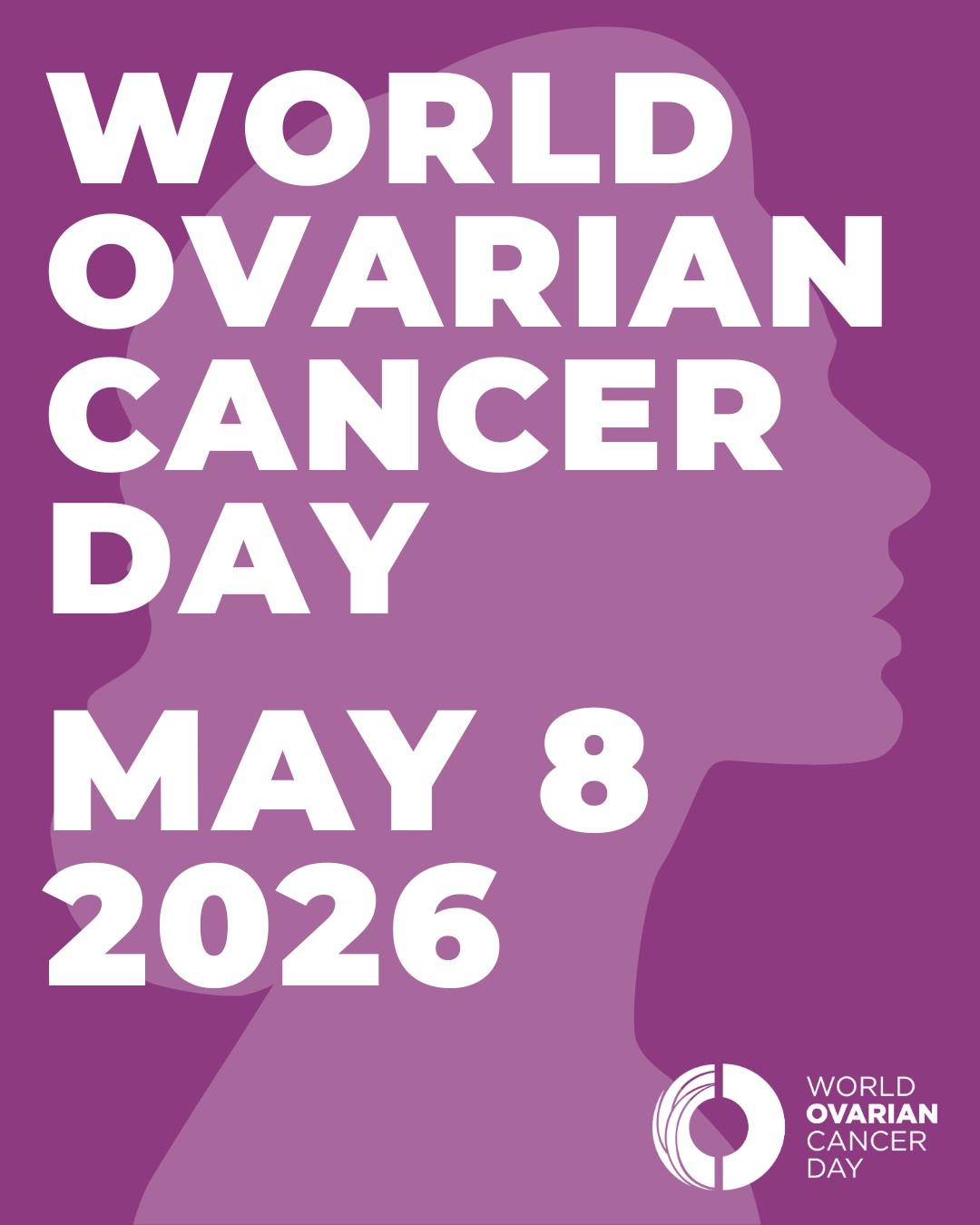
Observed annually on May 8, World Ovarian Cancer Day brings together organizations, advocates, and health institutions worldwide to raise awareness about ovarian cancer, improve understanding of its symptoms and risk factors, and advocate for increased investment in research and treatment. The day also highlights the experiences of patients and survivors, aiming to reduce stigma and encourage open conversations around women’s health.
The observance serves as a platform to promote stronger health systems that can support early diagnosis, equitable access to treatment, and patient-centered care. It also calls for greater global collaboration in advancing research, improving data collection, and addressing disparities in outcomes across different regions and populations.