



Mental health is a fundamental component of overall health and well-being, yet it remains one of the most overlooked and stigmatized areas of public health globally. Conditions such as depression, anxiety, and other mental health disorders affect hundreds of millions of people worldwide, influencing not only individual lives but also families, communities, and economies. Despite growing recognition of its importance, access to mental health services remains uneven, particularly in low- and middle-income countries and in contexts affected by conflict, economic instability, or social pressures.
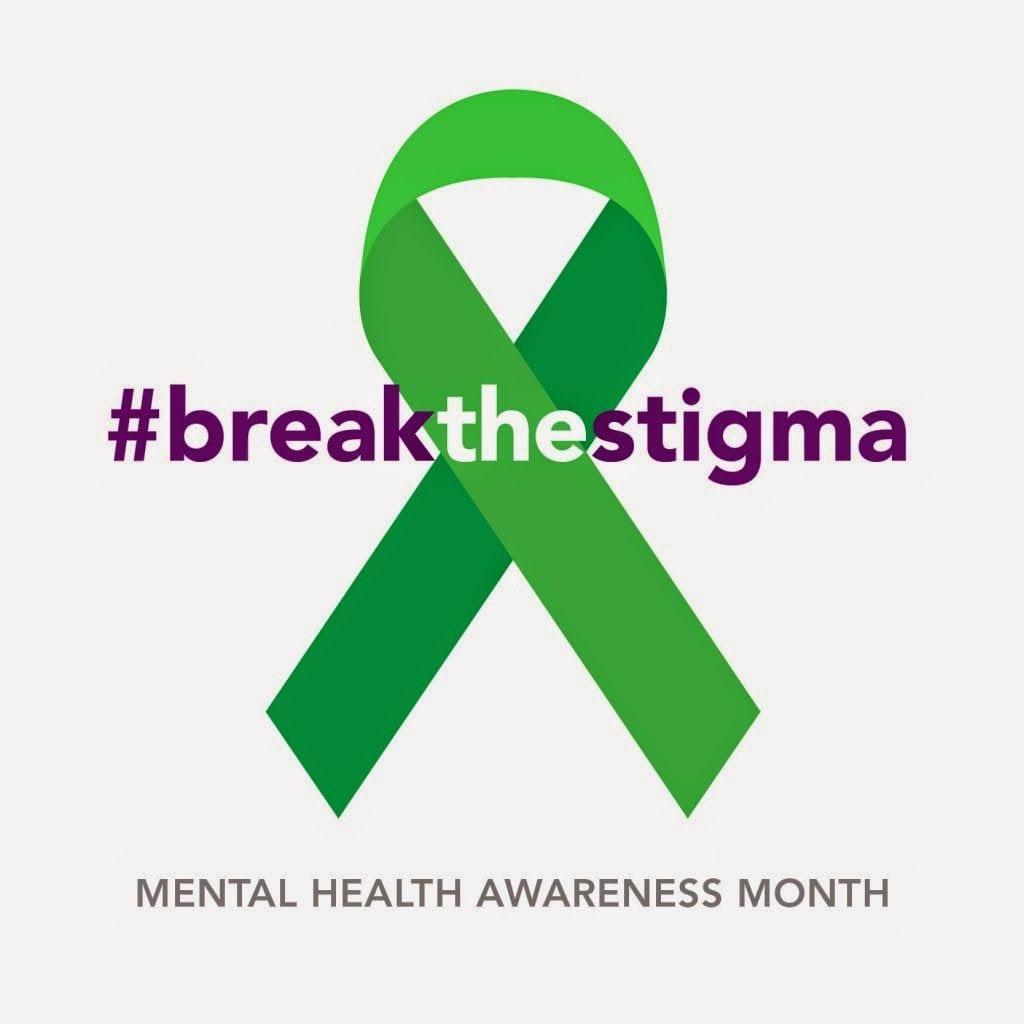
Mental Health Awareness Month, observed each May aims to raise awareness about mental health challenges, promote early intervention, and advocate for stronger, more inclusive mental health systems. The observance also highlights the need to address stigma, which continues to prevent many individuals from seeking help or speaking openly about their experiences.
The month serves as a platform to encourage dialogue across sectors, including health, education, workplaces, and communities, and to emphasize that mental health is not only a medical issue but also a social and developmental priority. It calls for integrated approaches that combine awareness, prevention, access to care, and supportive environments, particularly for vulnerable groups such as youth, displaced populations, and those living in crisis settings.