


Enmaeya LogoEnmaeya Logo
Home
News
Opinion
Hub
Calendar
Studio
Chat Room
Search
Login
Login
Burger Logo
enmaeya
Search
Home
News
Opinion
Calendar
Studio
Hub
Chat Room
About Us
Enmaeya team
Privacy Policy
Terms and Conditions
Social Media
Contact Us
tel:+96103258219
+961 03 258 219
mailto:info@enmaeya.com
[email protected]
mailto:support@enmaeya.com
[email protected]
Overview
Events
Resources
Partners in development
Logo
footerLogo
Subscribe to our newsletter
Quick Links
Home
News
Opinion
Chat Room
Enmaeya hub
Overview
Events
Resources
Partners in development
Enmaeya Studio
Studio
Interviews
Podcast
Programs
By Partners in development
Get to know us
About Us
Enmaeya team
Privacy Policy
Terms and Conditions
© 2024 Enmaeya, LLC. All Rights Reserved. Use of this site constitutes acceptance of our Terms of Service, Privacy Policy and Do Not Sell or Share My Personal Information. Indie Space may receive compensation for some links to products and services on this website. Offers may be subject to change without notice.
Screenshot 2025
Home
Hub
Resources
Climate Change and Workplace Heat Stress Technical Report and Guidance
Screenshot 2025
Health
Environment
Climate Change and Workplace Heat Stress Technical Report and Guidance
avatar
World Health Organization (WHO)
Share
Home
Hub
Resources
Climate Change and Workplace Heat Stress Technical Report and Guidance
Description
World Health Organization (WHO) |Sep. 1, 2025

The Climate Change and Workplace Heat Stress guideline, released jointly by the World Health Organization (WHO) and the World Meteorological Organization (WMO) in August 2025, underscores the escalating risks of heat stress to workers worldwide due to climate change. Drawing on over five decades of research, the report highlights the urgent need for comprehensive strategies to protect workers from extreme heat.

Key Insights

  • Rising Heat Exposure: Extreme heat events are becoming more frequent and intense, threatening both outdoor and indoor workers.

  • Health Risks: Workers face heat-related illnesses, including heatstroke, dehydration, kidney disorders, and neurological impacts.

  • Productivity Loss: Labor productivity declines by 2–3% for every degree above 20°C.

  • Global Impact: Around 2.4 billion workers worldwide are exposed to high heat, contributing to millions of occupational injuries annually.

  • Vulnerable Sectors: Agriculture, construction, and outdoor labor are among the most affected sectors.

  • Urgent Need for Action: Effective heat action plans, monitoring, training, and workplace adaptations are critical to protect workers.

Related Events
Climate Weeks 2025
May. 19, 2025|Panama City, Panama
More like this
Resource
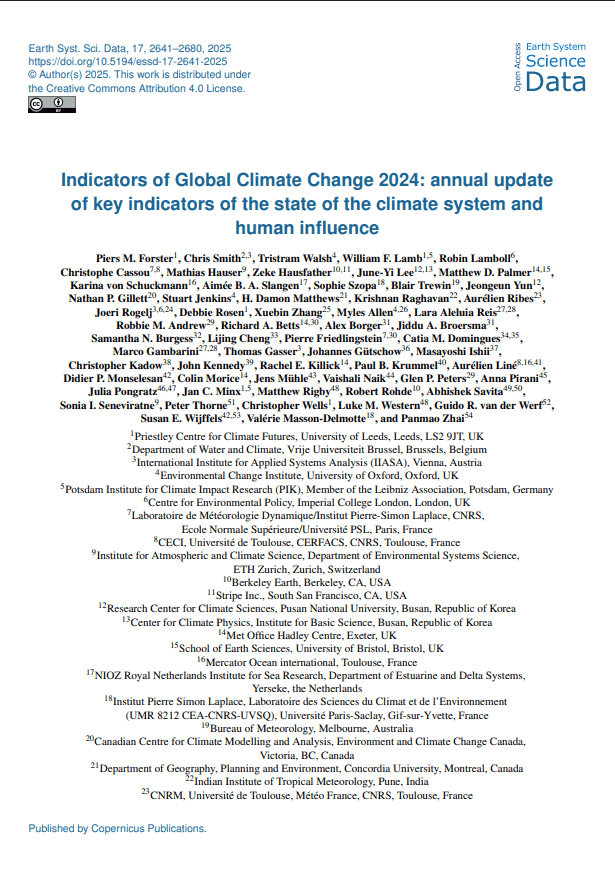
Indicators of Global Climate Change 2024
Environment
avatar
N/A
Jun. 19, 2025
Main Topics
Climate Change
Heathcare Equity
Topics
Climate Adaptation & Resilience
Emissions