
Enmaeya LogoEnmaeya Logo
Home
News
Opinion
Hub
Calendar
Studio
Chat Room
Search
Login
Login
Burger Logo
enmaeya
Search
Home
News
Opinion
Calendar
Studio
Hub
Chat Room
About Us
Enmaeya team
Privacy Policy
Terms and Conditions
Social Media
Contact Us
tel:+96103258219
+961 03 258 219
mailto:info@enmaeya.com
[email protected]
mailto:support@enmaeya.com
[email protected]
Overview
Events
Resources
Partners in development
Logo
footerLogo
Subscribe to our newsletter
Quick Links
Home
News
Opinion
Chat Room
Enmaeya hub
Overview
Events
Resources
Partners in development
Enmaeya Studio
Studio
Interviews
Podcast
Programs
By Partners in development
Get to know us
About Us
Enmaeya team
Privacy Policy
Terms and Conditions
© 2024 Enmaeya, LLC. All Rights Reserved. Use of this site constitutes acceptance of our Terms of Service, Privacy Policy and Do Not Sell or Share My Personal Information. Indie Space may receive compensation for some links to products and services on this website. Offers may be subject to change without notice.
Screenshot 2026-06-07 181550
Home
Hub
Resources
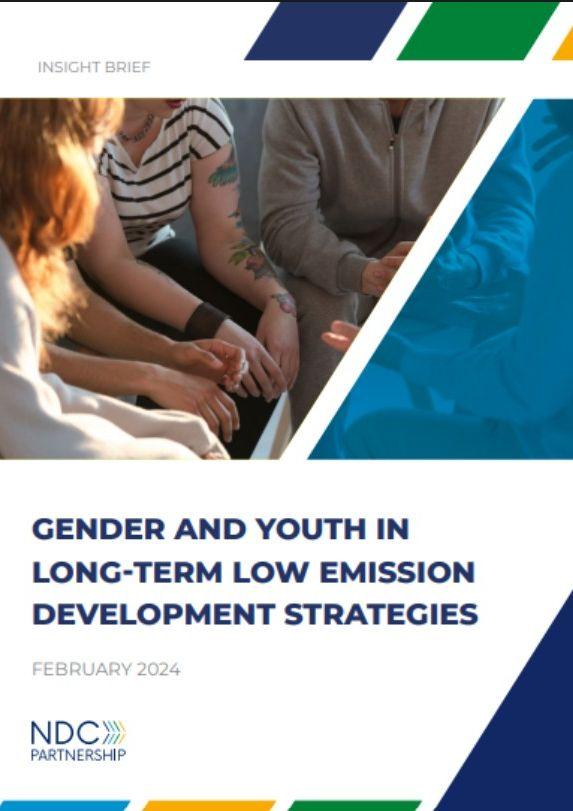
Gender and Youth in Long-Term Low Emission Development Strategies
Screenshot 2026-06-07 181550
Environment
Gender and Youth in Long-Term Low Emission Development Strategies
avatar
NDC Partnership
Share
Home
Hub
Resources
Gender and Youth in Long-Term Low Emission Development Strategies
Description
NDC Partnership |Feb. 1, 2024

The Gender and Youth in Long-Term Low Emission Development Strategies document is an Insight Brief published by the NDC Partnership in February 2024. It reviews how gender equality and youth engagement are included in countries’ Long-Term Low Emission Development Strategies (LT-LEDS) and identifies gaps and opportunities to strengthen inclusion in long-term climate planning.

Key insights:

  • By September 2023, 45 NDC Partnership country members had submitted LT-LEDS to the UNFCCC.

  • Among the 45 reviewed LT-LEDS, only 9 countries included significant consideration of both gender and youth, showing a clear gap in inclusive long-term planning.

  • Gender and youth are often mentioned in stakeholder engagement, but less often translated into concrete sectoral actions, targets, monitoring systems, or implementation measures.

  • The energy sector had the highest number of gender references, while education was a major priority area for youth inclusion.

  • Examples highlighted include Tonga, Chile, Morocco, Fiji, Ethiopia, Nepal, Cambodia, Tunisia, and Mexico.

  • The brief recommends deeper integration of gender and youth in LT-LEDS, stronger whole-of-society engagement, use of gender and youth experts, capacity building for public officials, and better monitoring and evaluation.

  • Main message: Long-term climate strategies should not only plan for low emissions, but also ensure that women and youth are meaningfully included in planning, implementation, and monitoring.

Related Events
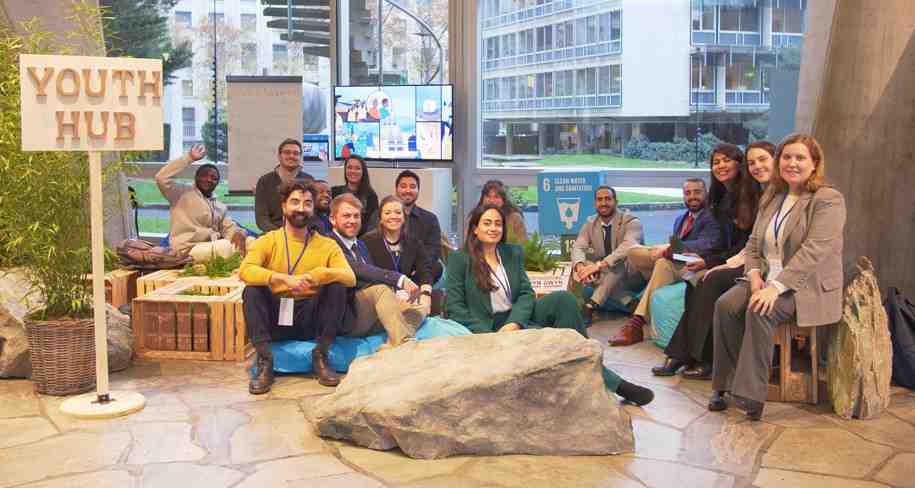
The Groundwater Youth Network (GWYN)
avatar
United Nations Educational, Scientific and Cultural Organization (UNESCO)
Jun. 23, 2026|Tunis, Tunisia
Related Videos
Apr. 17, 2026
Youth at the Decision-Making Table
More like this
Resource
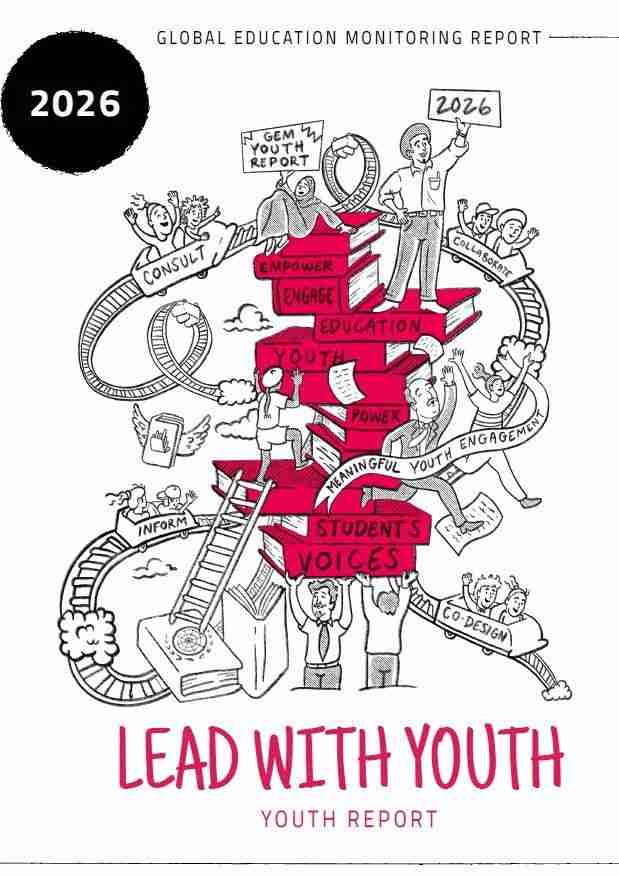
2026 Youth Report: Lead with Youth
Education
Development
avatar
United Nations Educational, Scientific and Cultural Organization (UNESCO)
Jun. 1, 2026