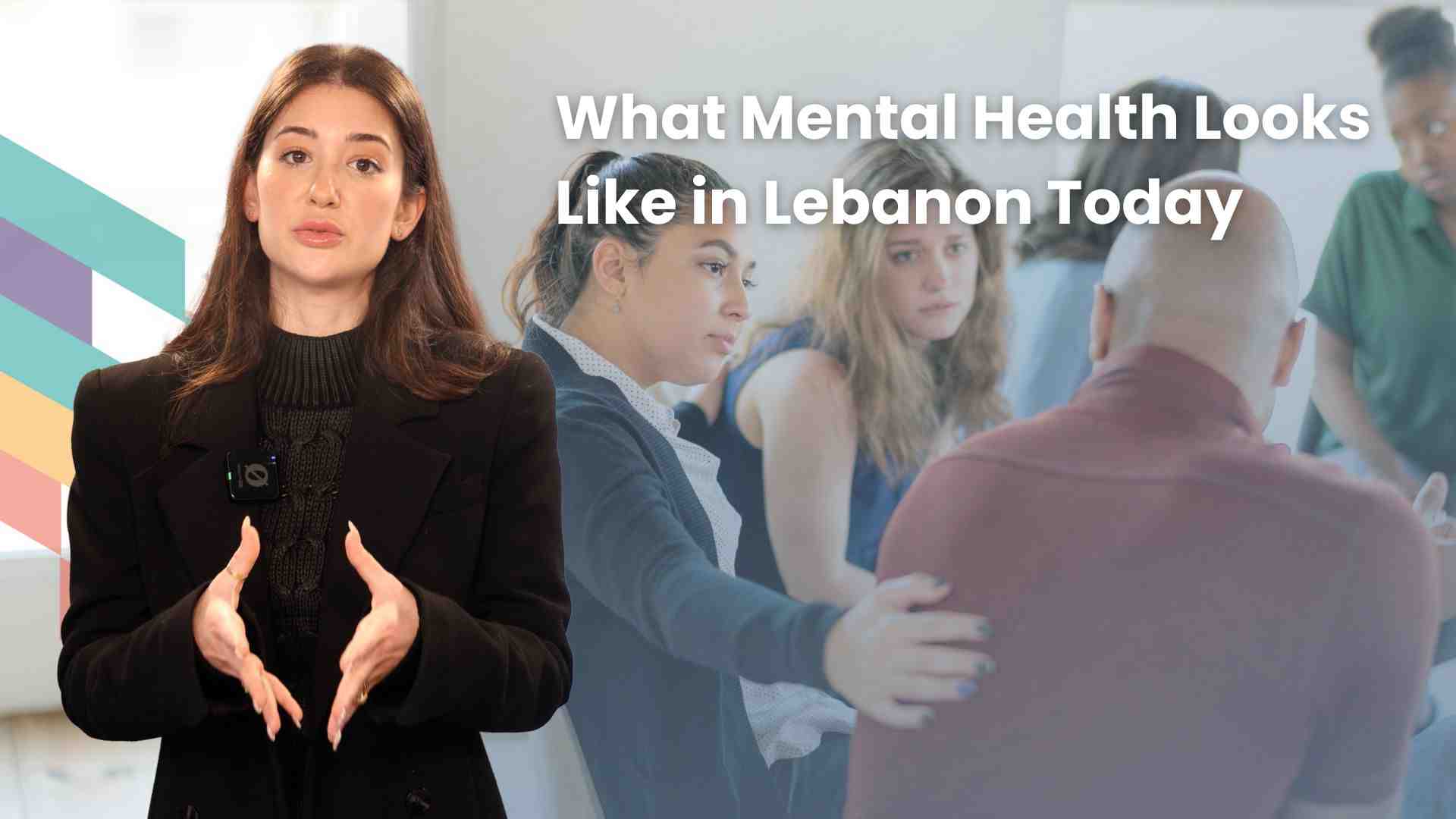
The toll of Lebanon’s recent wars is not confined to the places that were struck. Two major escalations in under two years, layered on an economic crisis that had already left households under strain, have made emotional well-being a cross-cutting concern. One that runs through household finances, housing, education, caregiving, and access to health care. Such research has been limited.
Where Has War Left Us? Findings from a Community Well-Being Assessment in Lebanon (2026) presents primary data from 397 people surveyed across Lebanon in August and September 2026 on their emotional well-being, financial pressure, housing, education, and coping since September 2024. The report finds distress to be widespread rather than concentrated both inside and outside the South. These events have not impacted everyone equally with women reporting more distress than men, and both hopelessness and persistent sadness rise steadily with age. The report also documents a gap between need and provision: 64% of respondents needed financial support for basic needs such as food, housing, or healthcare and almost half of that sample could name no source of support.
Prepared by Enmaeya’s Knowledge Hub, the report offers an accessible, policy-oriented account intended to inform policymakers, practitioners, civil society, researchers, and the concerned public. It draws on a non-probability sample and describes the people it reached. The findings suggest where response should focus: unmet material need as a driver of distress, outreach to communities with least exposure to formal services, and the education disruption falling on the youngest respondents.