

LEBANON - Food insecurity in Lebanon is no longer a projected risk, it is an escalating reality unfolding alongside the country’s renewed conflict. Even before the latest hostilities, the food system was under severe strain.
The latest Integrated Food Security Phase Classification (IPC) analysis by FAO, WFP and the Ministry of Agriculture shows that 1.65 million people are now facing crisis or emergency levels of food insecurity (IPC Phase 3 or above), up from 1.26 million prior to the escalation. Of these, 201,000 are in IPC Phase 4, emergency levels, double the number recorded before fighting intensified.
These figures point to deep structural fragility in a country increasingly unable to produce or afford its own food.
Lebanon’s agricultural sector, weakened by economic collapse and last year’s conflict, suffered another setback in 2025. Wheat production fell to record lows, with total cereal output reaching just 90,000 tonnes, nearly 50 percent below the five-year average.
Dry weather between December 2024 and February 2025 sharply reduced yields, while damage to irrigation systems and high input costs, including seeds, fertilizers and fuel, constrained farmers’ ability to recover.
As domestic production declined, dependence on imports grew. Wheat import requirements for the 2025/26 marketing year are forecast at 680,000 tonnes, above average levels. In a country heavily reliant on imported staples, any disruption to trade routes, currency stability or global markets quickly translates into higher prices and reduced purchasing power for households.
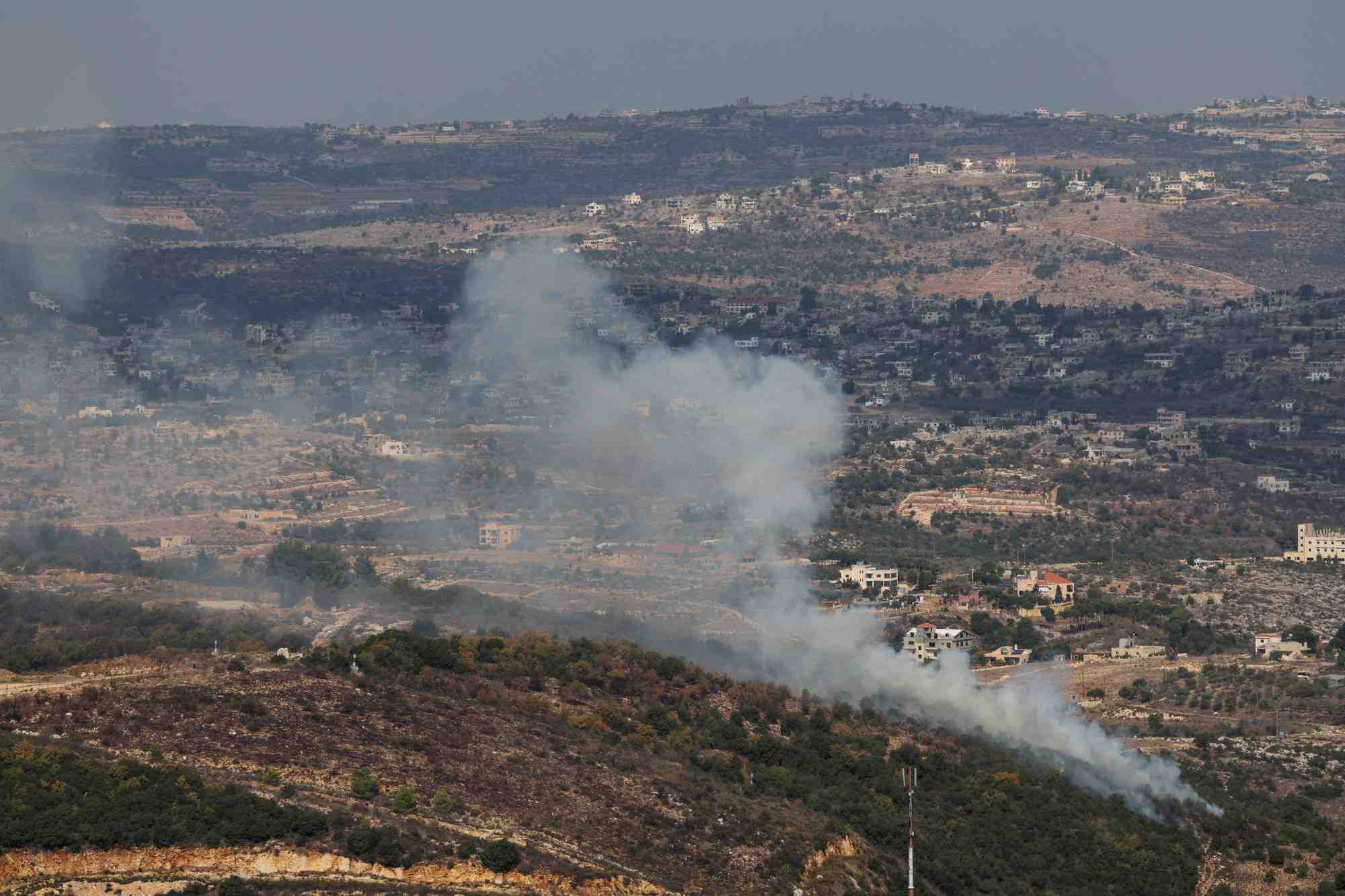
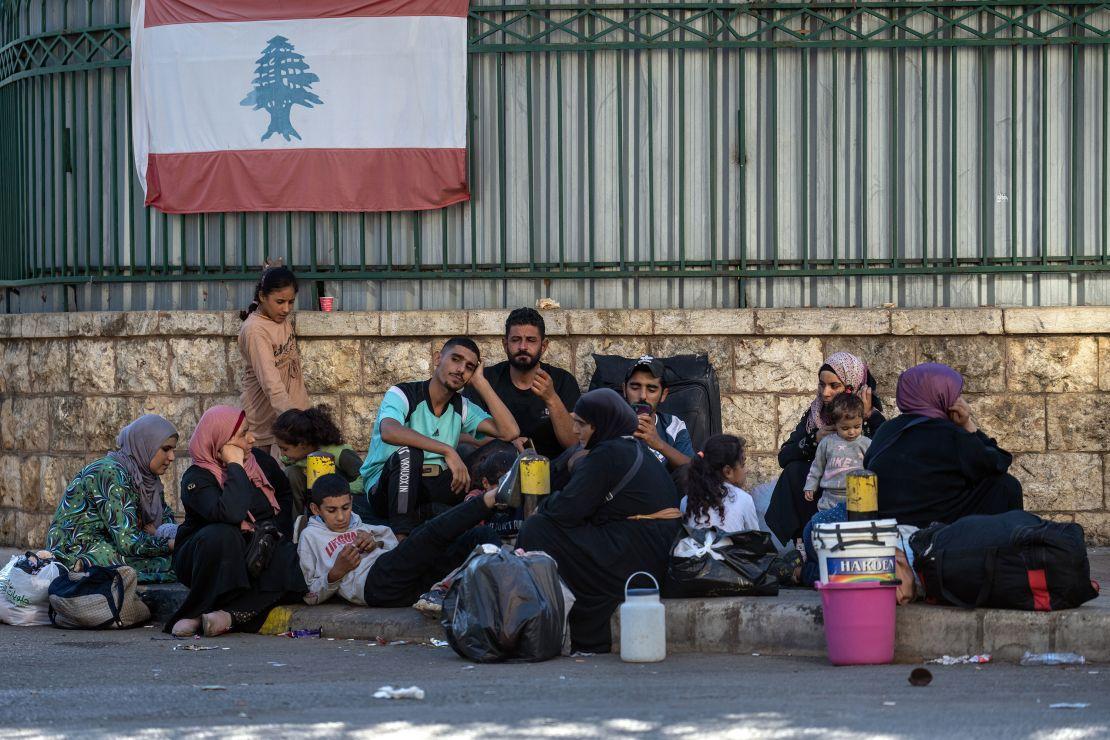
The renewed war is compounding these pressures. Official reports indicate that more than 58,000 people have been recently displaced, representing over 12,500 families. With 321 shelters open, thousands are now dependent on emergency assistance.
Displacement severs livelihoods, separates farmers from their land and interrupts harvest cycles. Families in shelters face limited cooking facilities, restricted access to water and rising food prices in host communities.
Humanitarian actors, have activated contingency plans to support affected populations. Yet needs continue to grow as food insecurity spreads beyond rural areas into urban centers absorbing displaced families.
Lebanon’s food crisis in 2026 is the cumulative result of repeated conflict and prolonged economic strain.
As displacement increases and agricultural output declines, ensuring reliable access to affordable, nutritious food is becoming one of the country’s most urgent challenges, both for families now in shelters and for those at risk of joining them.