

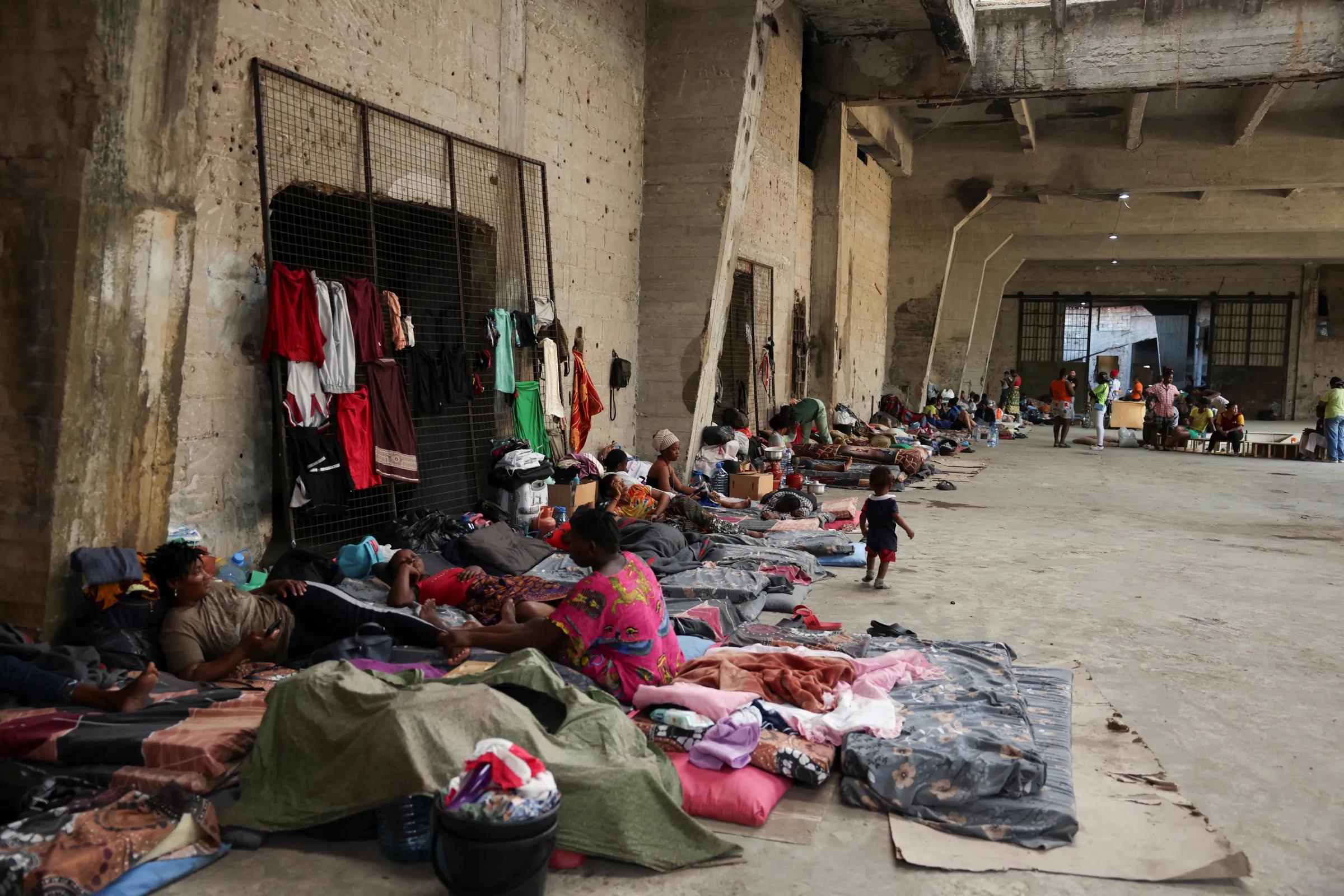
LEBANON - Migrant workers in Lebanon are among the most affected by the recent escalation in Israeli bombardment and nationwide evacuation orders, with over one million people forcibly displaced, according to Médecins Sans Frontières (MSF).
The organization highlighted that migrant workers from African and Southeast Asian countries, who already face structural barriers to healthcare and legal support, are now trapped as the conflict escalates.
The International Organization for Migration (IOM) reported on 26 March 2026 that roughly 48,000 displaced individuals or those living in high-risk areas are migrants, representing about 30% of Lebanon’s migrant population, according to 2025 figures.
In Beirut, MSF operates a fixed clinic in Bourj Hammoud, serving around 1,500 patients monthly, offering medical consultations, mental health support, and social services.
In response to the latest escalation, MSF expanded its operations through two mobile clinics, now providing approximately 3,000 consultations weekly and distributing essential relief items and food through migrant-run community kitchens.
Since early March, medical referrals from the Bourj Hammoud clinic have doubled, reflecting both the conflict’s intensity and the interruption of IOM’s referral program in January.
Many patients now require urgent interventions such as blood transfusions, ICU admissions, or surgery, while other humanitarian actors struggle to fill service gaps due to funding shortages.
Despite expanded efforts, migrant workers remain underrepresented in Lebanon’s national humanitarian response, leaving many reliant on community initiatives unable to meet complex medical and psychosocial needs.